
Sacred rituals are defined as intentional, symbolic acts that confer meaning, sacredness, and transformative power to human experiences, making them a recognized framework for emotional and mental healing across cultures. The role of sacred rituals in healing extends well beyond religious observance. Research from Indigenous traditions, clinical trials, and cross-cultural studies confirms that these practices produce measurable benefits including emotional relief, restored social bonds, and psychological resilience. Traditions such as the Kololi Kie in West Africa, the Pampapu ceremony in the Andean worldview, and the Balia healing practice in Indonesia each demonstrate that spiritual healing practices operate through meaning-making, community participation, and connection to the sacred. Emerging clinical evidence now supports what practitioners have known for centuries: structured ritual engagement changes how people feel, cope, and recover.
How do sacred rituals facilitate emotional and spiritual healing?
Sacred rituals facilitate healing by activating four interconnected processes: emotional relief, moral reflection, social connectedness, and existential meaning-making. These are not abstract concepts. They are observable outcomes documented in qualitative research across multiple traditions and continents.
Emotional relief occurs when a ritual provides a structured container for grief, fear, or suffering. The Kololi Kie tradition, practiced among Muslim communities in West Africa, uses ceremonial recitation, symbolic objects, and communal gathering to help participants reinterpret painful experiences through a spiritual lens. Participants report that the ritual does not erase suffering but reframes it within a larger moral and spiritual narrative. This reframing is a core mechanism of ritual-based healing, and it distinguishes sacred ceremonies from generic relaxation techniques.
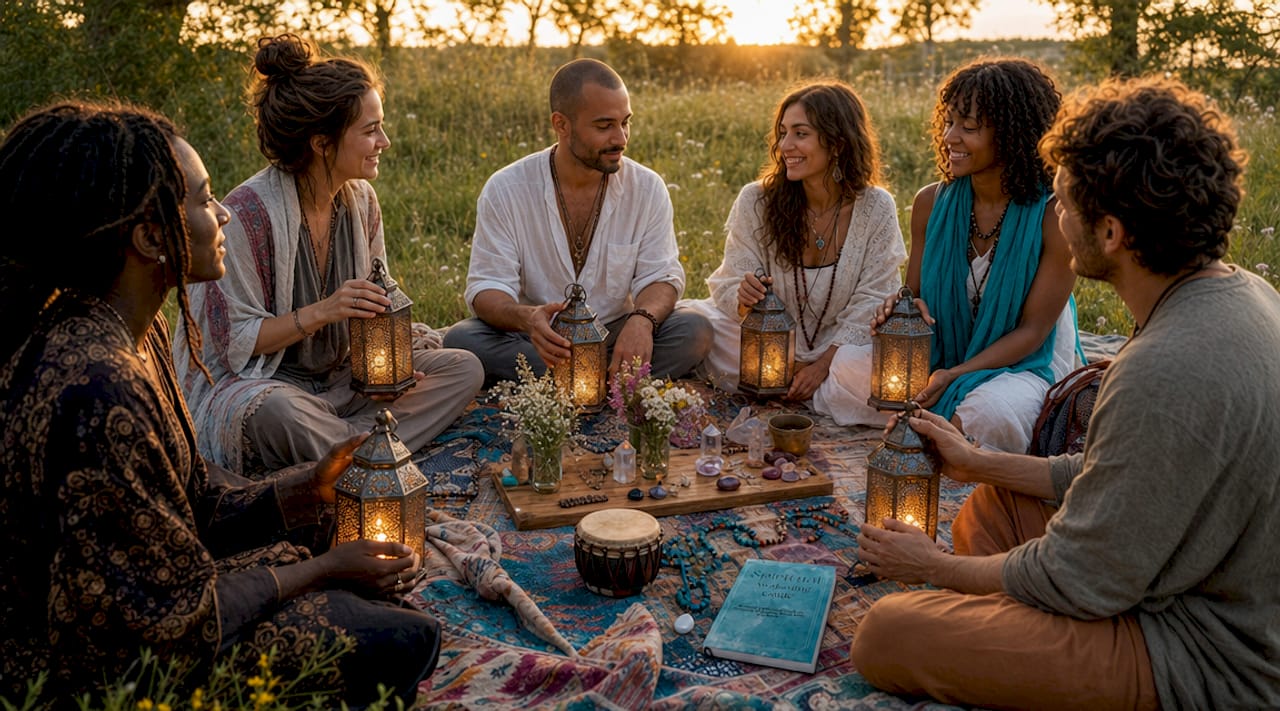
Social connectedness is equally central. Healing through sacred practices rarely occurs in isolation. The Balia tradition among the Kaili people of Indonesia illustrates this clearly. The ritual involves a specialist called a balian, whose authority is relational and communal rather than institutional. The ceremony restores harmony between the individual, the community, and spiritual forces simultaneously. Research confirms that sacred rituals function relationally, restoring human-spiritual relationships and social bonds that are essential for emotional recovery.
Spiritual meaning-making addresses the disruption that illness, loss, or trauma creates in a person’s relationship with the sacred. When that relationship is restored through ceremony, participants experience what researchers describe as existential reorientation. This is healing at the level of identity and purpose, not just symptom management.
- Emotional reinterpretation through symbolic narrative
- Communal participation that reduces isolation
- Restoration of disrupted spiritual relationships
- Moral reflection that supports forgiveness and resilience
- Existential meaning-making that reconstructs personal purpose
Pro Tip: When exploring a new ritual practice, focus first on its communal dimension. Attending a ceremony with others, even as an observer, activates the social healing mechanisms that solitary practice cannot replicate.
What does clinical research say about the healing power of sacred rituals?
Clinical research now provides quantifiable evidence for what cross-cultural traditions have practiced for generations. The findings are specific, replicable, and clinically significant.
A 2026 randomized controlled trial involving 180 primary care patients found that a 5-minute prayer session significantly reduced both pain and anxiety, with anxiety benefits persisting for up to six weeks. The study compared proximal intercessory prayer against a soft music control group. The durability of the anxiety reduction is particularly notable because it suggests that ritual engagement produces neurological and psychological changes that outlast the ceremony itself.

The placebo mechanism offers a complementary explanation. Structured ritual care settings grant patients what researchers call “permission to heal,” activating biological healing mechanisms through contextual expectations, trusted authority figures, and social cues. This means ritual context shapes outcomes not through deception but through the legitimate power of meaning, relationship, and expectation. The distinction matters because it validates ritual as a genuine therapeutic tool rather than dismissing it as mere suggestion.
A systematic review and meta-analysis examining spirituality interventions in women with cancer found that these interventions improve spiritual well-being and reduce anxiety and distress, though effects on sleep quality were inconsistent. This finding reinforces the importance of rituals for emotional healing in clinical populations, even when physical symptoms remain complex.
| Ritual Type | Population | Key Outcome | Duration of Effect |
|---|---|---|---|
| Proximal intercessory prayer | 180 primary care patients | Reduced pain and anxiety | Up to 6 weeks for anxiety |
| Spirituality interventions | Women with cancer | Improved spiritual well-being, reduced distress | Varied by intervention |
| Catholic prayer practices | 3,013 participants, 19 countries | Higher happiness, resilience, forgiveness | Ongoing with frequency |
A large-scale study of 3,013 participants across 19 countries found that frequent prayer correlates with higher spiritual well-being, happiness, resilience, forgiveness, and gratitude. Frequency of prayer had the greatest individual impact on spiritual well-being scores. This means consistency in ritual practice matters as much as the form the ritual takes.
How do different cultural traditions use sacred rituals for healing?
Global healing traditions share structural similarities while remaining deeply specific in their symbolic content. Understanding this balance is critical for anyone exploring how rituals promote healing across cultures.
The Andean Pampapu ceremony blends Catholic and Indigenous elements into a single healing framework. Practitioners use offerings, prayers, and symbolic objects to negotiate with sacred forces on behalf of the ill person. Research on the Pampapu as healing ritual confirms that its efficacy is inseparable from its cultural narrative. The ceremony cannot be reduced to its components because the meaning embedded in each gesture, object, and word is what produces the healing response. This is a critical caution for anyone tempted to borrow ritual elements without their cultural context.
The Balia tradition in Indonesia operates on a similar principle of relational restoration. The balian specialist does not simply perform a procedure. The ceremony rebuilds the web of relationships between the patient, the community, and the spiritual world that illness has disrupted. The authority of the balian is sustained by communal recognition and ritual efficacy, not by formal credentials.
The Camino de Santiago pilgrimage in Spain represents a different modality. Pilgrims walk hundreds of miles through a structured, historically layered route that integrates physical effort, moral reflection, and spiritual intention. Research frames the Camino as spiritual therapy, producing psychological reorganization, emotional regulation, and meaning reconstruction through embodied experience. The pilgrimage is a sacred ceremony for health that uses the body as the primary instrument of healing.
- Pampapu (Andes): Blends Catholic and Indigenous symbolism; healing is inseparable from cultural narrative
- Balia (Indonesia): Relational ceremony restoring bonds between individual, community, and spiritual forces
- Camino de Santiago (Spain): Embodied pilgrimage producing psychological reorganization through physical and spiritual engagement
- Kololi Kie (West Africa): Islamic ceremonial practice reframing suffering through moral and spiritual narrative
Cultural specificity is not a limitation. It is the source of ritual power. Practitioners and clinical counselors are advised to engage with traditional healing practices respectfully, avoiding assumptions or appropriation while recognizing their legitimate therapeutic value.
What practical steps can one take to incorporate sacred rituals into personal healing?
Incorporating sacred rituals into personal wellness requires intentionality, cultural respect, and consistency. The following steps provide a structured framework for building a personal ritual practice grounded in genuine healing principles.
- Set a clear intention. Every effective ritual begins with a defined purpose. Before beginning any ceremony, articulate what you are seeking: emotional release, clarity, forgiveness, or connection. Intention transforms a routine action into a sacred one.
- Create a dedicated sacred space. Physical environment shapes psychological state. Designate a specific location, whether a corner of a room, a garden, or a natural setting, for your ritual practice. Consistency in space reinforces the ritual’s psychological signal.
- Choose a practice aligned with your tradition or values. Prayer, meditation, symbolic offerings, ceremonial movement, and nature-based rituals each carry different symbolic weight. A moon ritual for healing offers a structured entry point for those drawn to cyclical, nature-based ceremony.
- Engage community where possible. Solitary practice has value, but communal ritual amplifies healing through shared intention and social support. Seek out groups, ceremonies, or guided practices that align with your spiritual orientation.
- Practice with regularity. Research on prayer frequency and well-being confirms that consistency produces the greatest benefits. A brief daily ritual outperforms an occasional elaborate one.
Pro Tip: Avoid treating sacred rituals as generic relaxation exercises. The healing power of ritual comes from its symbolic depth and cultural specificity. A nature healing walk performed with conscious intention and symbolic awareness produces fundamentally different results than an ordinary walk.
Clinical editorial guidance from integrative medicine recommends that practitioners discuss traditional healing practices with patients in a culturally safe manner, avoiding assumptions about belief while remaining open to their therapeutic role. This same principle applies to personal practice: approach ritual with respect for its depth, not as a trend or shortcut.
Key takeaways
Sacred rituals heal through meaning, relationship, and structured intention, not through technique alone, making cultural specificity and community engagement the most critical factors in their effectiveness.
| Point | Details |
|---|---|
| Rituals activate four healing processes | Emotional relief, moral reflection, social connectedness, and meaning-making work together in effective ritual healing. |
| Clinical evidence is specific and strong | A 2026 trial showed prayer reduces anxiety for up to six weeks; large-scale studies confirm prayer frequency boosts resilience and well-being. |
| Cultural context is non-negotiable | Pampapu, Balia, and Kololi Kie traditions show that ritual efficacy depends on culturally embedded symbolism, not generic practice. |
| Consistency amplifies benefits | Daily or frequent ritual engagement produces greater spiritual well-being than occasional participation, regardless of tradition. |
| Community multiplies healing | Relational rituals like Balia and Camino de Santiago demonstrate that shared ceremony produces outcomes solitary practice cannot replicate. |
Why I believe sacred rituals deserve a central place in modern healing
I have observed, across years of working with people on their inner healing, that the individuals who make the most sustained progress are rarely those who follow the most sophisticated therapeutic protocols. They are the ones who have found a ritual that means something to them and practice it with consistency and respect.
What strikes me most about the research on traditions like the Balia and the Camino de Santiago is that they confirm what many practitioners already sense: healing is not primarily a technical problem. It is a relational and symbolic one. When a person feels genuinely connected to something larger than themselves, whether through prayer, ceremony, pilgrimage, or communal gathering, their capacity to process pain and rebuild resilience increases in ways that clinical intervention alone cannot produce.
The caution I would offer is this: do not approach sacred rituals as a wellness accessory. The moment a ritual becomes decorative, it loses its power. The traditions that produce the strongest healing outcomes are those practiced with full engagement, cultural awareness, and genuine intention. If you are exploring spiritual development for the first time, start with one practice, learn its meaning thoroughly, and commit to it before adding others. Depth before breadth is the principle that separates transformative ritual from spiritual tourism.
— Sean
Explore guided sacred ritual practices at Spiritualmethod
Spiritualmethod provides structured, practical resources for individuals ready to integrate sacred ritual into their healing practice. Whether you are beginning with foundational spiritual healing practices or seeking a specific ceremonial framework, the resources at Spiritualmethod are designed to support genuine inner transformation across mind, body, and soul.
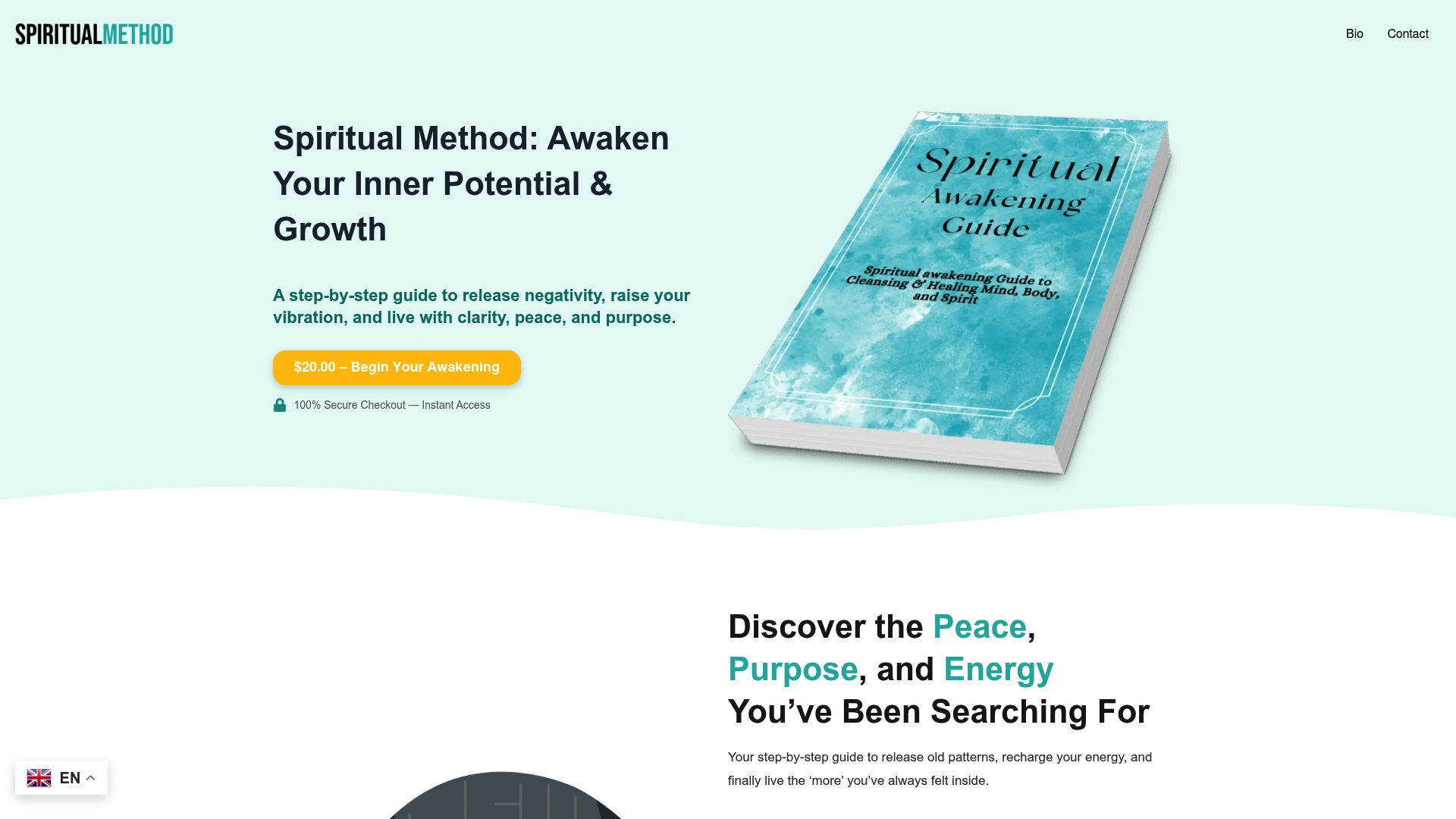
The moon ritual guide at Spiritualmethod offers a step-by-step ceremonial framework grounded in cyclical, nature-based healing. For those exploring the broader connection between ritual and whole-person wellness, the holistic healing guide provides essential context. Each resource is built around the principle that healing requires structure, intention, and respect for the sacred dimensions of human experience.
FAQ
What is the role of sacred rituals in healing?
Sacred rituals facilitate healing by providing emotional relief, moral reflection, social connectedness, and existential meaning-making through intentional, symbolic action. Research across traditions including Kololi Kie, Balia, and Pampapu confirms these mechanisms operate beyond clinical intervention.
Can prayer actually reduce physical pain and anxiety?
A 2026 randomized controlled trial found that a five-minute proximal intercessory prayer session significantly reduced pain and anxiety in primary care patients, with anxiety benefits lasting up to six weeks. The effect is linked to ritual context, trusted authority, and structured expectation rather than belief alone.
How do I start a personal sacred ritual practice?
Begin by setting a clear intention, designating a consistent sacred space, and choosing a practice aligned with your values or tradition. Consistency matters more than complexity. Daily brief rituals produce greater well-being benefits than occasional elaborate ones.
Are sacred rituals culturally specific or universally applicable?
Sacred rituals draw their healing power from culturally specific narratives and symbolic frameworks, which means borrowing ritual elements without their cultural context reduces their efficacy. Practitioners are advised to engage with traditions respectfully and learn the meaning behind each practice before adopting it.
Do spiritual rituals have benefits for people with serious illness?
A systematic review found that spirituality interventions in women with cancer improved spiritual well-being and reduced anxiety and distress. While effects on sleep quality were inconsistent, the emotional and spiritual benefits were clinically significant across multiple studies.