
Mind-body medicine is the practice of using mental, emotional, behavioral, and spiritual techniques to influence physical health and promote well-being. It operates on a well-documented principle: the mind and body are not separate systems but deeply interdependent ones, where psychological factors influence physical health and physical conditions shape mental and emotional states in return. Practices like meditation, yoga, mindfulness, and hypnotherapy are not fringe alternatives. They are recognized therapeutic tools with measurable physiological effects, supported by institutions including the National Center for Complementary and Integrative Health (NCCIH) and documented in the Merck Manual. For anyone exploring holistic healing approaches, understanding this field is a practical starting point.
What is mind body medicine and why does it matter?
Mind-body medicine is defined as a therapeutic framework that uses behavioral, psychological, social, and spiritual methods to preserve health and prevent or treat disease. The Merck Manual describes this as a two-way mind-body interaction: psychological factors can worsen physical disorders, and physical diseases can impact mood and cognition. This bidirectional relationship is the foundation of the entire field.
The significance of this definition is practical, not philosophical. When you experience chronic stress, your body releases cortisol and epinephrine. These hormones suppress immune function, increase inflammation, and elevate cardiovascular risk. Mind-body medicine intervenes at that exact junction, using structured techniques to interrupt the stress response before it causes lasting damage.

Historically, practices like yoga and tai chi were rooted in ancient traditions that treated mental and physical care as inseparable. Modern science has since validated many of these methods, confirming the physiological mechanisms that traditional systems described through different language. What was once considered alternative is now increasingly mainstream.
How does mind body medicine work scientifically?
The mechanisms behind mind-body medicine are neurological, hormonal, and immunological. The brain communicates with the immune system through signaling pathways that directly affect white blood cells. Depression suppresses immune response, making individuals more susceptible to infection. This is not metaphor. It is measurable biology.
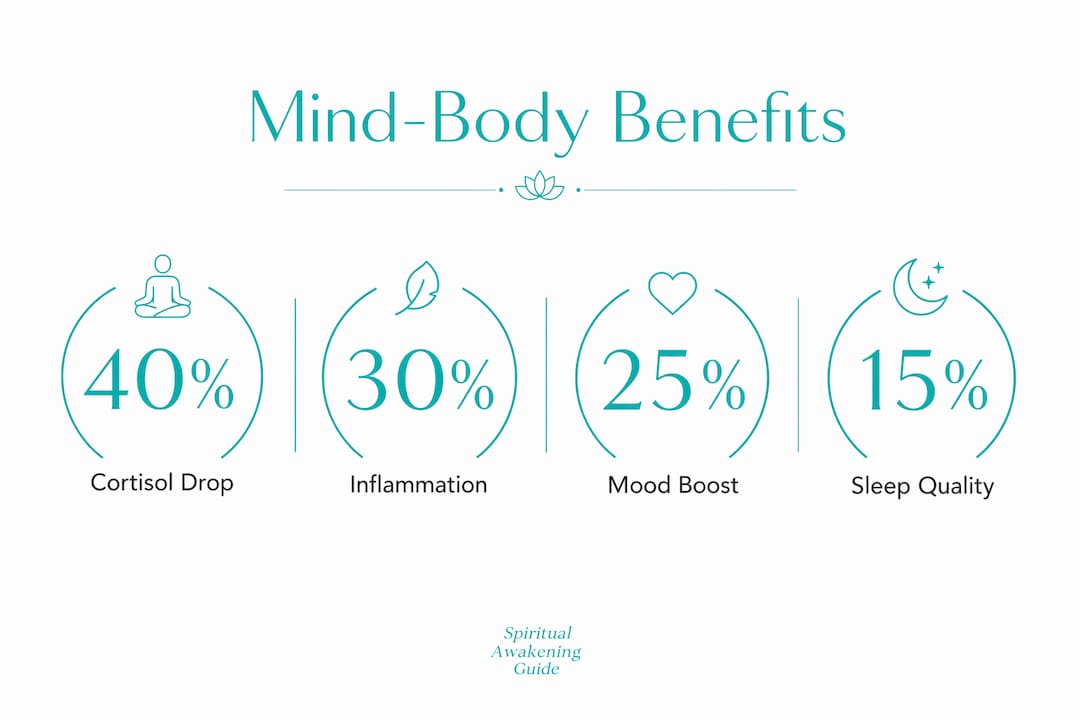
Stress hormones like cortisol and epinephrine are central to understanding how mental states translate into physical outcomes. When the stress response is chronically activated, it disrupts cardiovascular regulation, increases inflammatory markers, and impairs the body’s ability to recover from illness. Mind-body techniques work by reducing stress hormone release, which in turn supports immune function and lowers systemic inflammation.
Scientific recognition of these mechanisms has moved mind-body methods into mainstream adjunctive care. The NCCIH and Merck Manual both document neuronal and immunologic connections as the physiological basis for why these techniques produce real clinical outcomes. This is not a belief system. It is applied neuroscience.
Pro Tip: If you want to understand your own stress response, track your sleep quality, resting heart rate, and mood over two weeks before starting any mind-body practice. This baseline gives you concrete data to measure progress against.
| Mechanism | What it means for your health |
|---|---|
| Cortisol reduction | Lower chronic inflammation and improved immune response |
| Brain-immune signaling | Mental states directly alter white blood cell activity |
| Nervous system regulation | Activating the parasympathetic system reduces cardiovascular strain |
| Hormonal balance | Reduced epinephrine supports stable blood pressure and heart rate |
What are the main mind body therapy techniques?
Mind-body practices are administered by trained practitioners and fall into three categories: psychological, physical, and combined approaches. The NCCIH classifies meditation, acupuncture, yoga, and tai chi as distinct methods targeting brain-body interactions, each with different mechanisms and applications.
Understanding the differences between techniques helps you select the right fit for your specific health goals.
- Meditation and mindfulness: Primarily psychological. These practices train attention and awareness, reducing rumination and activating the relaxation response. Suitable for anxiety, depression, sleep disorders, and stress management.
- Yoga: A combined approach integrating physical postures, breathwork, and meditative focus. Effective for pain reduction, flexibility, stress relief, and balance.
- Tai chi: A physical and combined practice using slow, deliberate movement sequences. Particularly effective for older adults managing balance, stability, and joint conditions.
- Acupuncture: A physical intervention involving precise needle placement to influence nerve pathways and pain signaling. Used for chronic pain, headaches, and nausea.
- Hypnotherapy: A psychological technique using guided suggestion to alter perception and behavior. Applied in pain management, anxiety treatment, and habit change.
- Biofeedback: A combined technique using real-time physiological data (heart rate, muscle tension) to teach self-regulation. Useful for headaches, hypertension, and anxiety.
The table below compares these techniques across key dimensions to help you evaluate options clearly.
| Technique | Primary category | Key benefits | Practitioner required? |
|---|---|---|---|
| Meditation | Psychological | Anxiety, sleep, stress | No (self-guided possible) |
| Yoga | Combined | Pain, balance, stress | Recommended for beginners |
| Tai chi | Physical/Combined | Stability, joint health | Yes, especially initially |
| Acupuncture | Physical | Chronic pain, headaches | Yes, licensed practitioner |
| Hypnotherapy | Psychological | Pain, anxiety, habits | Yes, certified therapist |
| Biofeedback | Combined | Hypertension, headaches | Yes, clinical setting |
Classifying practices this way is not academic. It helps you match a technique to a specific health goal, whether that is improving sleep, managing chronic pain, or building emotional resilience over time.
What health benefits does mind body medicine offer?
The benefits of mind-body medicine are condition-specific and evidence-supported. Meditation and mindfulness reduce anxiety, depression, and PTSD symptoms and improve sleep quality. Yoga produces measurable improvements in stress reduction, pain management, and physical balance. Tai chi reduces osteoarthritis symptoms and improves stability, particularly in older adults.
Beyond mental health applications, mind-body techniques are used in clinical settings for serious medical conditions. Meditation and hypnotherapy reduce symptoms in cancer patients and are used as preparation tools before surgery, helping patients manage pain perception and recovery anxiety. These are not supplementary luxuries. They are documented clinical tools.
The Merck Manual confirms scientific evidence for mind-body medicine in treating chronic pain, headaches, insomnia, and menopausal symptoms. Each condition involves a stress or nervous system component that these techniques directly address. The effectiveness varies by individual, condition severity, and practice consistency, which is why personalized plans matter more than generic recommendations.
Mind-body medicine also supports long-term health maintenance, not just symptom relief. Regular practice builds self-regulation skills that reduce the frequency and intensity of stress responses over time. This cumulative effect is what separates mind-body medicine from passive relaxation techniques. You are training a physiological system, not just taking a break.
How to safely incorporate mind body practices into your routine
Adopting mind-body practices requires a structured approach, not casual experimentation. The NCCIH is clear that mind-body medicine involves skill-building and behavior change, not simply relaxation. Training quality, practice frequency, and personalized planning determine whether outcomes are meaningful or negligible.
Follow these steps to build a safe and effective practice:
- Consult your healthcare provider first. Mind-body methods complement conventional treatment but do not replace it. The NCCIH explicitly advises not delaying professional medical care for health problems while pursuing integrative approaches.
- Identify your primary health goal. Are you targeting anxiety, chronic pain, sleep quality, or physical balance? Your goal determines which technique is most appropriate. Biofeedback suits hypertension; tai chi suits balance issues; mindfulness suits anxiety.
- Select a qualified instructor. For yoga, tai chi, acupuncture, and hypnotherapy, working with a certified or licensed practitioner reduces injury risk and improves outcomes. Self-guided meditation apps like Insight Timer or Calm are appropriate starting points for beginners.
- Account for contraindications. Pregnancy, certain cardiovascular conditions, and specific musculoskeletal injuries require modified or avoided practices. Individual contraindications must be assessed before beginning any physical mind-body technique.
- Commit to a consistent schedule. Sporadic practice produces minimal results. Most research on meditation and yoga measures outcomes after eight weeks of regular practice, typically three to five sessions per week.
- Evaluate and adjust. Track your symptoms, sleep, and mood. If a technique is not producing results after six to eight weeks of consistent practice, consult a practitioner about adjusting your approach.
Pro Tip: Pair a nature healing walk with a brief mindfulness practice to combine physical movement with attentional training. This combined approach activates both the physical and psychological pathways of mind-body medicine simultaneously.
Key takeaways
Mind-body medicine works because it directly addresses the physiological pathways through which mental states alter immune function, hormonal balance, and cardiovascular health.
| Point | Details |
|---|---|
| Core definition | Mind-body medicine uses psychological and behavioral techniques to influence physical health through documented biological pathways. |
| Scientific basis | Cortisol reduction, brain-immune signaling, and nervous system regulation are the measurable mechanisms behind its effects. |
| Technique selection | Match the practice to your health goal: mindfulness for anxiety, tai chi for balance, biofeedback for hypertension. |
| Safety first | Always coordinate mind-body practices with conventional medical care and screen for individual contraindications before starting. |
| Skill over relaxation | Effective outcomes require consistent training and behavior change, not occasional passive relaxation sessions. |
Why mind body medicine deserves more credit than it gets
I have spent years studying integrative health approaches, and the most consistent pattern I observe is this: people underestimate mind-body medicine because it looks simple from the outside. Sitting quietly or moving slowly does not look like medicine. That perception is the single biggest barrier to adoption.
What the research actually shows is that these practices produce structural changes in the brain and measurable shifts in immune markers. The science is not soft. It is published in peer-reviewed journals and cited by the Merck Manual. The problem is that the cultural framing around these practices still carries a wellness-trend association that obscures their clinical legitimacy.
My honest view is that the most powerful application of mind-body medicine is not crisis management. It is prevention. Building a daily reflective practice before chronic stress accumulates is far more effective than deploying these tools after a diagnosis. Most people come to mind-body medicine late, after illness has already taken hold. Starting earlier, even with ten minutes of daily mindfulness, changes the trajectory.
The growing mainstream acceptance of these methods is not a trend. It reflects decades of accumulated evidence finally reaching clinical practice. For anyone serious about spiritual healing practices and long-term well-being, integrating mind-body techniques is not optional. It is foundational.
— Sean
Deepen your practice with Spiritualmethod
Spiritualmethod provides structured resources for individuals ready to move beyond theory and build a consistent inner healing practice. The platform’s guides on spiritual healing practices offer practical frameworks that complement mind-body techniques, addressing the mental, physical, and spiritual dimensions of well-being together. For those drawn to ritual-based practices, the moon ritual for inner healing provides a step-by-step guide that aligns with the reflective and self-regulatory principles central to mind-body medicine. Spiritualmethod’s approach is organized, accessible, and designed for self-guided learning that builds over time.
FAQ
What is the difference between mind-body medicine and conventional medicine?
Conventional medicine primarily targets physical symptoms through pharmacological or surgical intervention. Mind-body medicine uses psychological, behavioral, and spiritual techniques to influence physical health through neurological and hormonal pathways, and is designed to complement rather than replace standard care.
How long does it take to see results from mind-body practices?
Most research measures outcomes after eight weeks of consistent practice, typically three to five sessions per week. Conditions like anxiety and sleep disruption often show improvement within four to six weeks of regular mindfulness or meditation practice.
Is mind-body medicine safe for everyone?
Safety varies by individual and technique. Pregnancy, specific cardiovascular conditions, and musculoskeletal injuries may require modified practices or medical clearance. The NCCIH recommends consulting a healthcare provider before beginning any mind-body program, particularly for chronic or serious conditions.
Can mind-body medicine help with chronic pain?
Yes. Scientific evidence supports mind-body medicine for chronic pain and headaches, with techniques like mindfulness, yoga, acupuncture, and biofeedback each addressing different components of the pain response.
Do I need a practitioner to start mind-body practices?
Not for all techniques. Meditation and mindfulness can be started independently using guided apps or programs. Yoga, tai chi, acupuncture, and hypnotherapy benefit significantly from working with a qualified instructor, especially in the early stages of practice.