
Past life healing is a hypnosis-based therapeutic technique designed to uncover and resolve emotional and psychological challenges believed to originate from past-life experiences. Formally known as past life regression therapy, this practice guides individuals into a relaxed, trance-like state where subconscious memories or imagery framed as past lives become accessible. The goal is not to prove reincarnation. The goal is to create a structured framework for emotional release, narrative reframing, and lasting personal growth. Understanding how past life healing works gives you a clear foundation for deciding whether this approach fits your own path toward inner well-being.
How past life healing works: the session process
Past life regression therapy uses hypnosis to guide clients into relaxed, trance-like states where they explore memories framed as past lives to process emotional issues. The process follows a clear, repeatable structure that most qualified practitioners use.
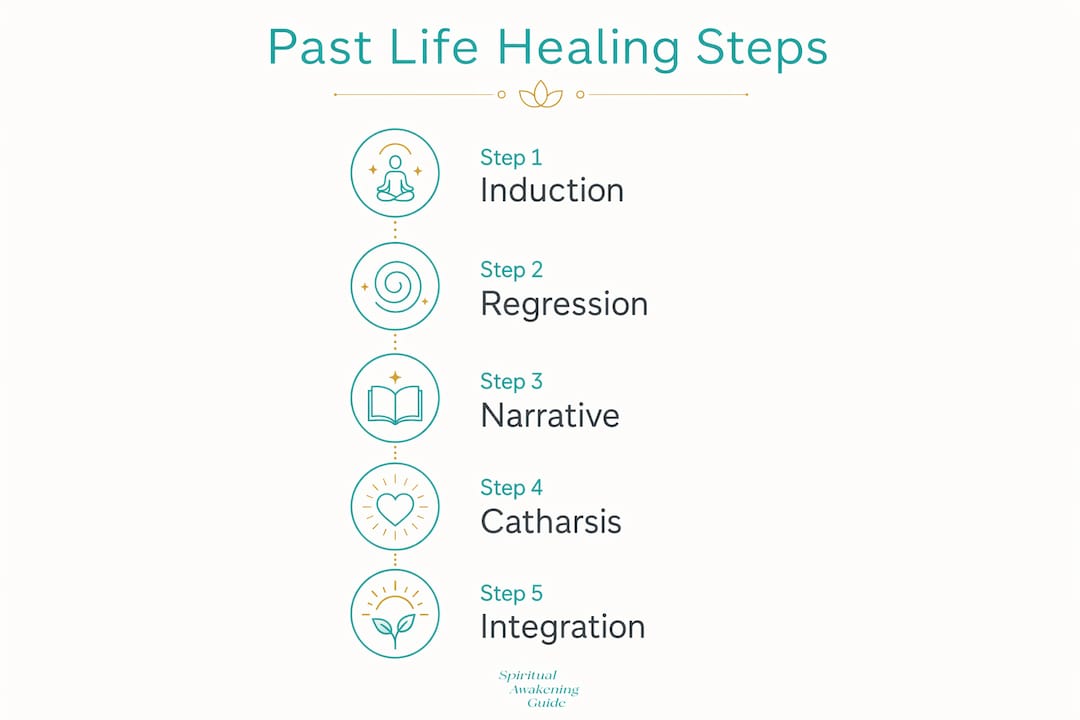
A typical session unfolds in four stages:
- Hypnotic induction. The practitioner uses breathing exercises, progressive muscle relaxation, or guided visualization to bring you into a calm, receptive state. This is not unconsciousness. You remain aware and in control throughout.
- Guided imagery and regression. Once relaxed, you are gently guided to visualize scenes, people, or events that feel connected to unresolved emotions. The practitioner uses open-ended prompts to avoid planting specific details.
- Emotional processing and catharsis. You describe what you observe or feel. The practitioner helps you explore the emotional weight of those images. This is where release often occurs, through tears, physical sensations, or sudden clarity.
- Return and integration. Sessions end with a gradual return to full waking awareness, followed by a discussion that connects the imagery to your current life challenges.
The practitioner’s role is to hold a safe, non-judgmental space throughout. Their skill in asking open questions, rather than leading ones, directly shapes the quality of the experience. A practitioner who respects your pace and emotional boundaries creates the conditions where real healing becomes possible. Spiritualmethod emphasizes this practitioner-client relationship as central to any effective spiritual healing practice.
Pro Tip: Before booking a session, ask your practitioner directly how they handle emotional distress during regression. A skilled therapist will have a clear, calm answer. If they hesitate or deflect, look elsewhere.

What psychological mechanisms explain past life healing?
The effectiveness of past life regression is attributed to hypnosis and narrative processing mechanisms, not to literal reincarnation memories. This distinction matters because it explains why the technique works even for people who hold no belief in past lives.
Several mechanisms contribute to the therapeutic outcome:
- Hypnotic openness. A relaxed hypnotic state increases access to subconscious processes and reduces the mental defenses that normally block difficult emotions. This makes it easier to surface and examine material that conscious thought keeps buried.
- Narrative reframing. Past life healing functions as a form of narrative therapy. Clients construct a story around their emotional pain, and that story gives the pain a context, a beginning, and an end. Rewriting that story changes how the emotion is held in the body and mind.
- Symbolic dissociation. The past life frame creates psychological distance from painful material. Viewing trauma as something that happened to “another version of you” reduces the immediate threat response and allows calmer examination. This role-playing approach benefits the labeling and releasing of emotional blocks, regardless of any metaphysical belief.
- Emotional catharsis. Expressing and releasing suppressed emotion during a session produces measurable relief. This is the same mechanism used in somatic therapy and EMDR, applied through a different entry point.
- Therapeutic alliance. The quality of the relationship between client and practitioner is more important than the modality itself for successful outcomes. Trust, safety, and skilled facilitation amplify every other mechanism at work.
One critical ethical consideration deserves direct attention. False memory creation is a real risk when practitioners use leading questions or uninformed techniques. Ethical practitioners use strict guidelines to keep the focus on emotional healing rather than on verifying literal past-life details.
“The past life frame provides a distancing context that enables clients to access and process difficult emotions. The mechanism is therapeutic, not metaphysical. What matters is that the emotional release is real, and the reframing is lasting.”
This perspective aligns with how holistic healing approaches generally work: the method serves the healing, not the other way around.
Who benefits most from past life regression therapy?
Typical clients seek past life healing for emotional patterns, relationship issues, anxiety, and spiritual growth motivations. The technique is not limited to people who believe in reincarnation. It serves anyone willing to engage with symbolic inner work.
Common issues that past life regression addresses include:
- Anxiety and phobias with no clear origin in this lifetime
- Unresolved trauma that has not responded to conventional talk therapy
- Recurring relationship patterns such as repeated cycles of abandonment or conflict
- Unexplained physical symptoms linked to emotional holding
- Low self-esteem and persistent self-limiting beliefs
- Spiritual curiosity and a desire to understand one’s deeper purpose
Regression therapy can help resolve unexplained pain, anxiety, phobias, PTSD, depression, and low self-esteem by accessing subconscious trauma. This broad applicability makes it a flexible tool within a wider therapeutic or spiritual growth program.
Practitioners tailor sessions to individual goals. A client seeking relief from a specific phobia will have a very different session structure than someone exploring spiritual identity or working through grief. The intake conversation before a session is where this tailoring happens. A qualified practitioner will ask detailed questions about your history, intentions, and emotional readiness before beginning any regression work. For those also working through loss, pairing this approach with grief healing practices can deepen the overall process.
For practitioners looking to develop their skills in this area, transitional.life offers professional development resources specifically designed for therapists working with spiritual and transitional healing modalities.
How to prepare for a past life healing session
Preparation directly affects what you get from a session. Arriving with clear intentions and a calm mindset creates the conditions for deeper access and more meaningful integration.
Practical preparation steps include:
- Set a clear intention. Identify one specific emotional pattern, fear, or question you want to explore. Vague intentions produce vague sessions.
- Choose a qualified practitioner. Look for training in clinical hypnotherapy, regression therapy, or transpersonal psychology. Certification from a recognized body adds accountability. The practitioner-client relationship significantly impacts the success of regressive hypnotherapy.
- Avoid stimulants before the session. Caffeine and alcohol interfere with the relaxed state needed for effective hypnotic induction.
- Wear comfortable clothing. Physical comfort supports mental relaxation during the session.
After the session, the integration period is where lasting change takes root. Many people feel emotionally tender or unusually reflective for 24–48 hours following a session. This is normal and productive.
Pro Tip: Start a dedicated journal the day before your session. Write your intention, your current emotional state, and any recurring patterns you want to address. After the session, write immediately while the imagery is fresh. Journaling after sessions helps clients integrate and understand the emotional material surfaced during past life healing.
Post-session practices that support integration include reflective writing, gentle movement, time in nature, and follow-up conversations with your practitioner. If strong emotions persist beyond a few days, seeking additional support from a licensed mental health professional is a sound and responsible step.
Key Takeaways
Past life healing works through hypnotic induction, narrative reframing, and emotional catharsis, with practitioner skill and therapeutic alliance determining the depth of the outcome.
| Point | Details |
|---|---|
| Core mechanism | Hypnosis creates subconscious access; narrative reframing gives emotional pain a context and resolution. |
| Practitioner quality matters | Therapeutic alliance is the strongest predictor of outcome, more than the specific technique used. |
| False memory risk is real | Ethical practitioners use open-ended questions and focus on emotional release, not literal past-life verification. |
| Wide therapeutic range | Regression therapy addresses anxiety, phobias, trauma, relationship patterns, and spiritual growth goals. |
| Integration is required | Journaling and reflection after sessions deepen and sustain the emotional benefits of past life healing. |
What I’ve learned about past life healing after years of practice
The most common misconception I encounter is that past life healing only works if you believe in reincarnation. That framing misses the point entirely. The therapeutic value lives in the process, not the metaphysics. I have seen people with deep skepticism experience genuine emotional release during regression work, simply because the symbolic distance the past life frame provides allows them to approach pain they could not face directly.
What I have also observed is that practitioner ethics are not a secondary concern. They are the foundation. A practitioner who uses leading questions, pushes for dramatic past-life narratives, or prioritizes the story over the client’s emotional safety will produce sessions that feel compelling but deliver little lasting change. The best practitioners I have encountered are almost invisible in the session. They create space and ask clean questions. The client does the real work.
The blend of spiritual and psychological elements in this practice is genuinely unusual. It sits at the intersection of transpersonal healing and clinical hypnotherapy, drawing from both without fully belonging to either. That position makes it powerful for people who feel that conventional therapy has not reached the deeper layers of their experience.
One honest note: the placebo element is real and not something to dismiss. If a client believes the process will help them, that belief activates genuine neurological and emotional responses. That is not a weakness of the method. It is a feature of how human healing works. The goal is always lasting emotional freedom, and past life regression, practiced well, delivers that for a meaningful number of people.
— Sean
Spiritualmethod’s resources for soul and past life healing
Spiritualmethod provides structured, practical content for individuals ready to move beyond curiosity and into active inner work. The focus is on methods that address the mind, body, and soul as a connected system, not as separate concerns.

For readers drawn to the principles covered here, Spiritualmethod’s guides on soul retrieval healing examples offer concrete, real-world illustrations of how regression and soul-level healing unfold in practice. These examples show the range of emotional and spiritual outcomes that structured healing work can produce. Whether you are preparing for your first session or deepening an existing practice, these resources provide a grounded, accessible starting point for the work ahead.
FAQ
What is past life healing in simple terms?
Past life healing is a therapeutic process that uses hypnosis to help people access and release emotional issues linked to memories or imagery framed as past lives. The goal is emotional resolution and personal growth, not proof of reincarnation.
Does past life healing require belief in reincarnation?
No. Past life healing works as a symbolic and narrative process. Clients who hold no belief in reincarnation still benefit because the technique creates psychological distance from difficult emotions, making them easier to process and release.
How many sessions does past life regression therapy take?
The number of sessions varies by individual and therapeutic goal. Some people experience significant shifts in a single session, while others benefit from a series of three to six sessions to address layered emotional patterns.
Is past life regression therapy safe?
Past life regression is generally considered safe when conducted by a trained, ethical practitioner. The primary risk is false memory creation from leading questions, which qualified therapists actively prevent by using open-ended prompts and focusing on emotional healing.
How do I know if past life healing is right for me?
Past life healing suits individuals dealing with anxiety, phobias, recurring emotional patterns, or unresolved trauma that has not responded to conventional approaches. A consultation with a qualified regression therapist is the most reliable way to assess fit.
Recommended
- What Is Transpersonal Healing: A Practical Guide
- Discover Spiritual Healing Practices for Inner Peace
- The Role of Higher Self in Healing: A Practical Guide
- Explore mind-body medicine and holistic wellness with guides on meditation, yoga, spiritual detox, and transformative healing. Read practical insights now. – Spiritual Awakening Guide: Clarity, Peace, Growth