
A plant medicine healing ritual is a sacred, intentional practice that uses medicinal plants to promote spiritual, emotional, and physical healing. These ceremonies draw from indigenous traditions spanning thousands of years, with roots in Amazonian lineages like the Shipibo people of Peru, as well as Andean and Mesoamerican cultures. Today, practitioners worldwide engage with plant-based healing methods to deepen mindfulness, address emotional wounds, and reconnect with their inner life. Whether you are exploring ayahuasca, san pedro, or gentler herbal healing practices, understanding the structure and philosophy behind these rituals is the foundation of safe, meaningful practice.
What is a plant medicine healing ritual and why does it matter?
A plant medicine healing ritual is defined by three core elements: intentionality, relationship, and ceremony. Unlike casual herbal use, these rituals treat the plant as a teacher or spirit ally, not merely a chemical compound. Authentic herbalism is a holistic way of knowing the living world, encompassing ecological awareness, seasonal timing, oral tradition, and preparation. This means the ritual itself carries as much weight as the plant being used.
The distinction matters because it shapes how you prepare, participate, and integrate the experience. Spiritual plant medicine is not a shortcut to healing. It is a structured framework for self-guided inquiry supported by centuries of traditional knowledge. Spiritualmethod recognizes this distinction as central to any genuine healing practice, whether you are working with master plants in ceremony or building daily herbal rituals at home.
Named examples of plants used in these ceremonies include ayahuasca, san pedro cactus, bobinsana, ajo sacha, and noya rao. Each carries a distinct tradition, teaching style, and ceremonial protocol. Recognizing their individuality is the first step toward respectful engagement.
What foundational preparations are needed for an authentic ritual?
Preparation for a plant medicine healing ritual begins long before the ceremony itself. The most recognized preparatory practice in Amazonian traditions is the plant dieta, a sacred contract between the practitioner and the Master Plant. A plant dieta requires strict dietary abstinence from salt, sugar, oil, and spices, combined with physical isolation to purify the body as a vessel for the plant spirit’s teachings. This purification is not symbolic. It is a functional requirement for deepening the plant’s influence.
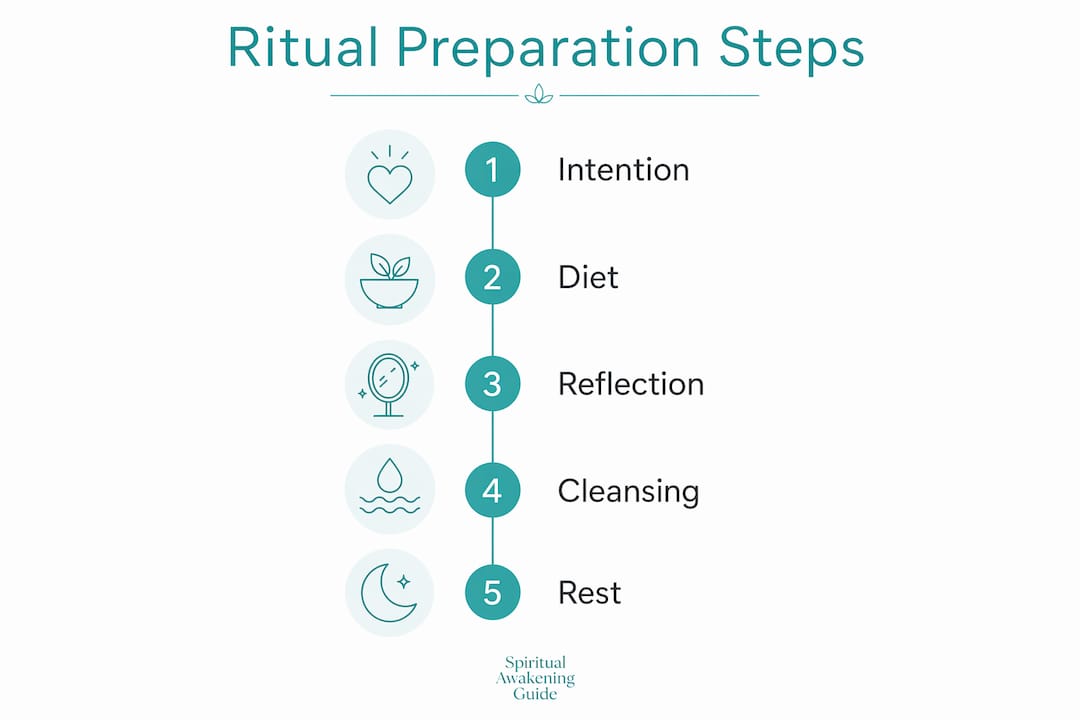
Dieta periods range from one week to several years, depending on the spiritual contract and the Master Plant involved. A longer dieta signals a deeper commitment and typically produces more profound shifts in perception and healing. Most beginners start with a one to two week dieta before their first ceremony.
Beyond diet, preparation involves several practical and spiritual steps:
- Set a clear intention. Define what you are seeking: emotional release, spiritual clarity, physical healing, or a combination. A vague intention produces a vague experience.
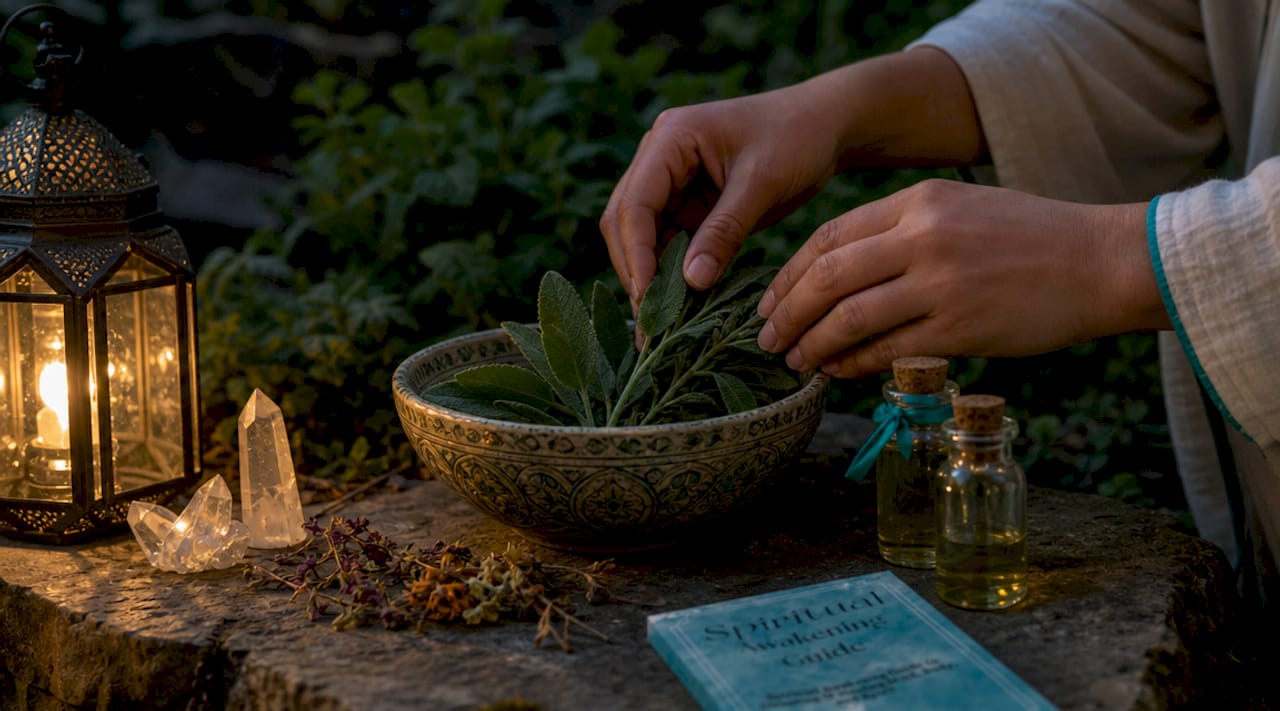
- Create a sacred space. Designate a clean, quiet environment with meaningful objects, offerings, and natural elements such as flowers, candles, or incense.
- Identify a qualified guide. Working with an experienced shaman, curandero, or trained facilitator is strongly recommended, particularly for potent master plants.
- Review contraindications. Certain plants interact with medications, particularly SSRIs and MAOIs in the case of ayahuasca. Consult a healthcare provider before proceeding.
- Honor indigenous protocols. Approach the tradition with cultural respect, not as a consumer experience. Respecting ritual and spiritual needs improves trust and outcomes in healing contexts.
Pro Tip: Spend at least three days before any ceremony in quiet reflection, reduced screen time, and clean eating. This short pre-dieta period signals to your nervous system and your plant ally that you are serious about the work.
How to conduct the key steps of a healing ceremony
The ceremony itself follows a recognizable arc across most plant medicine healing traditions, even when specific practices vary by culture or plant. The following steps reflect common elements drawn from Shipibo Amazonian lineage and broader indigenous South American traditions.
- Open with cleansing. Begin by purifying the space and your body. Flower baths (baños de flores) are common in Amazonian practice. Smoke purification using palo santo or copal clears stagnant energy and signals the start of sacred time.
- State your intention aloud. Speak your intention clearly, either in silence or in the presence of your guide. This act of verbal commitment anchors the ceremony’s purpose.
- Administer the plant medicine. 78.21% of medicinal plants are administered orally in traditional healing contexts, though dermal and nasal routes are also used. Follow the guidance of your facilitator on dosage and timing.
- Engage with icaros and sacred sound. Icaros are healing songs sung by Shipibo healers to call plant spirits and direct the healing energy. Even without a shaman present, recorded icaros, singing bowls, or guided meditation serve a similar function of deepening presence.
- Maintain respectful silence or community sharing. Some traditions emphasize collective silence; others involve group sharing. Follow the protocol of your specific ceremony.
- Respond to physical and emotional releases. Purging, crying, or laughter are recognized as forms of healing in many traditions. Do not suppress these responses. Allow the process to move through you.
- Close the ceremony with gratitude. Offer thanks to the plant, the guides, and the space. This closing act honors the relationship and signals a return to ordinary awareness.
Ritual efficacy often depends on subtler environmental and sensory factors, such as the aromatic presence of specific plant leaves and specialized ritual movements to attract plant spirits. This means the physical setup of your ceremony space is not incidental. It is part of the medicine.
Pro Tip: Keep a journal beside you during and after the ceremony. Insights often arrive in fragments. Writing them down within the first hour preserves material that would otherwise fade by morning.
What are the main types of plant medicines and their healing traditions?
Different plant medicines carry distinct teachings, risks, and ceremonial contexts. The table below outlines the most widely recognized master plants used in natural medicine rituals.
| Plant | Tradition | Primary healing focus | Key caution |
|---|---|---|---|
| Ayahuasca | Shipibo, Amazonian | Emotional trauma, spiritual vision | MAOI interactions; requires medical screening |
| San Pedro (Huachuma) | Andean | Heart opening, ancestral connection | Long ceremony duration; set and setting critical |
| Bobinsana | Amazonian dieta plant | Emotional sensitivity, dream work | Requires extended dieta; subtle but deep effects |
| Ajo Sacha | Amazonian dieta plant | Clarity, protection, grounding | Strict dietary protocol required |
| Noya Rao | Rare Amazonian master plant | Light body activation, spiritual vision | Extremely rare; only with experienced lineage holders |
| Kambo | Amazonian frog secretion | Purification (traditional claim) | Documented severe health risks including death |
Kambo deserves specific attention. Despite promotion for various conditions, kambo lacks scientific evidence of efficacy and carries documented risks of severe illness. The distinction between spiritual cleansing and medical safety is not abstract here. It is a matter of physical survival. Anyone considering kambo should consult a physician and work only with highly experienced practitioners.
The demonization of herbal healing in some religious and cultural contexts often stems from poor theology and superstition rather than genuine spiritual or medical concern. Understanding this history helps practitioners approach plant-based healing methods with informed confidence rather than inherited fear. For deeper context on how nature informs traditional medicine, Chinese medicine offers a parallel framework worth studying.
How to integrate and honor the healing experience after the ritual
Integration is the phase where healing becomes permanent. Without it, the insights from a ceremony remain vivid memories rather than lived transformation. The days and weeks following a plant medicine healing ritual require as much structure as the ceremony itself.
Practical integration practices include:
- Rest and dietary care. Continue a light, clean diet for at least three days post-ceremony. Avoid alcohol, processed foods, and overstimulating environments.
- Journaling. Write daily reflections on what arose during the ceremony. Patterns often become clear only after several days of writing.
- Therapy or community sharing. Working with a therapist familiar with transpersonal healing or joining an integration circle helps process complex material. Spiritualmethod’s resource on transpersonal healing offers a structured framework for this phase.
- Daily connection rituals. Maintain the relationship with your plant ally through tincture use, meditation, or simply spending time in nature. A nature healing walk is one accessible way to sustain this connection.
- Avoid trivializing the experience. Resist the urge to immediately share every detail on social media or reduce the ceremony to a story. The healing needs time to settle.
Honoring ritual and spiritual needs in the integration phase improves long-term outcomes and supports the kind of trust that makes continued healing possible. This is not a one-time event. It is the beginning of an ongoing reflective practice.
Pro Tip: Schedule a formal integration session with a therapist or trusted guide within 72 hours of your ceremony. This window captures the most emotionally accessible material and sets the direction for your healing work in the weeks ahead.
Key takeaways
A plant medicine healing ritual produces lasting results only when preparation, ceremony, and integration are treated as equally important phases of a single practice.
| Point | Details |
|---|---|
| Preparation defines the outcome | A plant dieta and clear intention set the conditions for genuine healing before the ceremony begins. |
| Ceremony follows a structured arc | Opening cleansing, intentional plant administration, icaros, and a formal closing create a reliable ceremonial framework. |
| Plant choice carries real risk | Kambo and other potent plants require medical screening; not all spiritual cleansing practices are physically safe. |
| Integration makes healing permanent | Journaling, therapy, and daily connection rituals convert ceremony insights into lasting personal transformation. |
| Cultural respect is non-negotiable | Honoring indigenous protocols and lineage holders protects both the practitioner and the tradition itself. |
Why I believe preparation and respect are the real medicine
After years of studying and writing about spiritual healing practices, the pattern I keep returning to is this: the people who struggle most with plant medicine are not those who chose the wrong plant. They are those who skipped the preparation. The dieta, the intention work, the cultural research. These are not optional add-ons. They are the architecture of the experience.
I have also noticed that the demonization of botanical healing in Western contexts is almost always rooted in unfamiliarity, not evidence. When people approach these traditions with genuine curiosity and structured preparation, the outcomes are consistently more grounded and more lasting than what most conventional wellness programs produce.
The misconception I encounter most often is that plant medicine is about the peak experience. It is not. The ceremony is a catalyst. The real work happens in the weeks of preparation and the months of integration that surround it. If you treat the ritual as the destination, you will miss most of what it offers.
My honest recommendation is to approach your first ceremony the way you would approach a significant life decision: with research, guidance, patience, and humility. The plants are not going anywhere. Take the time to meet them properly.
— Sean
Deepen your plant medicine practice with Spiritualmethod
Spiritualmethod provides structured resources for every phase of your healing journey, from pre-ceremony preparation to long-term integration. If you are building a regular spiritual practice alongside plant medicine work, the moon ritual for inner healing offers a practical, accessible framework that complements ceremonial work with consistent monthly rhythm. For those exploring the broader philosophy behind these practices, the guide on holistic healing explains how mind, body, and soul connect within a structured healing approach. Spiritualmethod’s resources are designed to support mindful, respectful engagement with healing traditions at every level of experience.
FAQ
What is a plant medicine healing ritual?
A plant medicine healing ritual is an intentional ceremony that uses medicinal plants to support spiritual, emotional, and physical healing. It combines preparation, ceremony, and integration within a structured framework rooted in indigenous traditions.
How long does a plant dieta last before a ceremony?
Dieta periods range from one week to several years depending on the Master Plant and the depth of the spiritual contract. Most beginners complete a one to two week dieta before their first ceremony.
Is kambo safe to use in a healing ritual?
Kambo carries documented severe health risks, including rapid physiological changes that can lead to serious illness or death. Anyone considering kambo should consult a physician and work only with highly experienced practitioners.
How do you integrate a plant medicine experience afterward?
Integration involves journaling, therapy, dietary care, and daily connection practices such as meditation or time in nature. Scheduling a formal integration session within 72 hours of the ceremony captures the most accessible healing material.
Do you need a shaman to perform a plant medicine ritual?
Working with an experienced shaman, curandero, or trained facilitator is strongly recommended for potent master plants like ayahuasca or san pedro. For gentler herbal healing practices, a knowledgeable guide or integration therapist can provide sufficient support.