
Aura cleansing is defined as the practice of clearing, renewing, and rebalancing the personal energy field that surrounds the physical body, commonly called the biofield. Practitioners across traditions use this aura cleansing methods list to address accumulated negative energy, lift emotional states, and support overall well-being. Methods range from smudging with white sage and salt baths to meditation, sound healing, and grounding in nature. A 2026 peer-reviewed study in Frontiers in Psychology demonstrated measurable shifts in biofield parameters during meditation and breathwork sessions, lending preliminary scientific context to practices long held in holistic traditions. These findings signal that aura work is not purely symbolic. It connects to real physiological and energetic states worth understanding and cultivating.
1. The aura cleansing methods list: smudging and sacred smoke
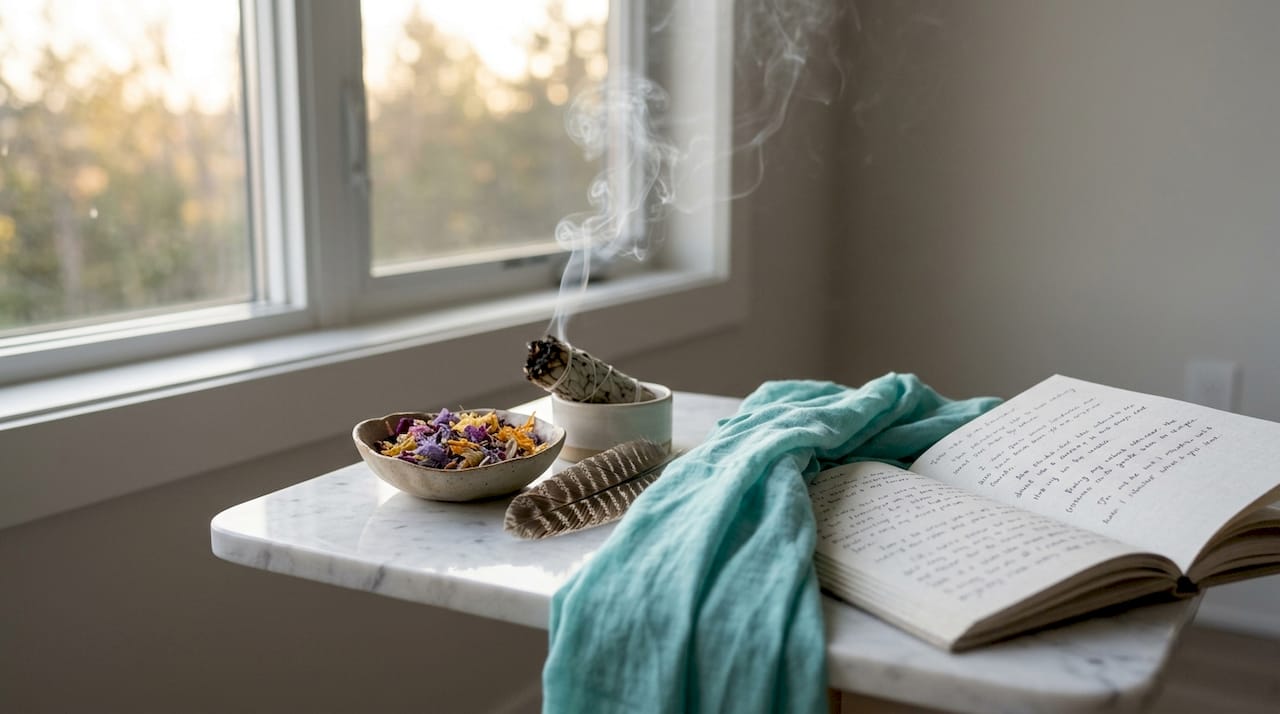
Smudging is one of the oldest aura purification techniques, using the smoke of dried herbs to clear stagnant or negative energy from the body and surrounding space. The most widely used materials include white sage, sandalwood, and agarwood incense sticks. Each carries a distinct energetic quality: white sage is considered a strong purifier, sandalwood promotes calm and mental clarity, and agarwood is traditionally associated with spiritual elevation.
The smudging ritual steps follow a clear sequence:
- Open a window or door to allow displaced energy to exit the space.
- Light the smudge stick or incense and allow it to produce a steady stream of smoke.
- Set a clear intention, such as releasing stress or inviting clarity.
- Move the smoke around your body from feet to crown, then around the perimeter of the room.
- Extinguish the smudge stick safely in a fireproof bowl.
Health considerations matter here. Sage smoke contains volatile organic compounds and particulate matter that can irritate the respiratory system. Practicing in a well-ventilated space and limiting session length to five to ten minutes reduces inhalation risk significantly.
Pro Tip: Combine white sage for clearing with a sandalwood incense stick for grounding immediately after. This two-step sequence addresses both removal of stagnant energy and anchoring of a calm, centered state.
2. Salt water and essential oil baths for aura purification
Salt baths are among the most accessible and effective aura healing methods available. Sea salt carries natural ionic properties that draw out energetic residue from the body’s surface, while warm water opens the pores and supports physical relaxation simultaneously. The combination creates a dual-action cleanse that addresses both the physical and energetic layers.
To prepare an effective aura cleansing bath:
- Add one to two cups of sea salt or Epsom salt to a warm bath.
- Include five to ten drops of a chosen essential oil such as lavender for calming, chamomile for emotional soothing, or eucalyptus for clearing.
- Optionally add dried herbs like rosemary or calendula for additional energetic support.
- Soak for a minimum of twenty minutes, focusing attention on releasing tension and visualizing the water drawing out heaviness.
- Rinse briefly with clean water after the soak to complete the cleansing cycle.
Sea salt and essential oils like chamomile work together to cleanse both the physical and energetic bodies, making this one of the best aura cleansing practices for regular maintenance. Frequency matters: a weekly salt bath sustains energetic clarity, while a daily foot soak in salted water serves as a lighter daily maintenance option.
Pro Tip: Add a few drops of frankincense essential oil to the bath when you need deeper spiritual clearing rather than everyday maintenance. Frankincense has been used in ceremonial purification for centuries and carries a distinctly grounding, elevating quality.
3. Meditation and focused awareness practices
Meditation is a primary internal energy cleansing method that works by quieting mental noise and allowing the body’s natural energetic regulation to restore balance. Two forms are particularly relevant to aura work: focused attention meditation, where the practitioner concentrates on a single point such as the breath, and open awareness meditation, where attention rests on the field of experience without fixation.
A 2026 study published in Frontiers in Psychology recorded measurable biofield changes during meditation sessions, supporting the idea that sustained meditative practice produces real shifts in the body’s electromagnetic environment. This is consistent with separate research showing that the heart’s electromagnetic field is the body’s strongest magnetic signal and responds directly to emotional and energetic states.
“Meditation does not merely calm the mind. It appears to reorganize the body’s energetic output in ways that preliminary biofield research is only beginning to quantify.” — Frontiers in Psychology, 2026
For beginners, a structured ten-minute daily practice is sufficient to notice shifts in mood and mental clarity within two weeks. Apps like Insight Timer and Calm offer guided sessions specifically designed for energy work and aura clearing visualization.
4. Breathwork techniques for energetic clearing
Breathwork operates as one of the most direct effective aura clearing techniques because it alters the body’s chemistry and electromagnetic output within minutes. The Wim Hof Method, pranayama practices from the yogic tradition, and holotropic breathwork each produce distinct physiological and energetic effects.
The Wim Hof Method specifically produced significant heart rate changes and biofield modulation in the 2026 Frontiers in Psychology study, making it one of the most research-supported breathwork approaches for aura work. Pranayama techniques such as Nadi Shodhana (alternate nostril breathing) are traditionally used to balance the left and right energy channels of the body, known in yogic anatomy as the ida and pingala nadis.
A practical starting sequence for aura cleansing step by step through breathwork:
- Begin with three to five minutes of slow, deep diaphragmatic breathing to settle the nervous system.
- Move into ten rounds of Nadi Shodhana to balance energetic flow.
- Complete with five minutes of natural breathing while visualizing white or golden light filling the aura with each inhale.
This sequence takes under twenty minutes and can be practiced daily without any equipment.
5. Sound healing with singing bowls and tuning forks
Sound healing is an aura healing method that uses vibrational frequencies to break up energetic stagnation and restore coherence to the biofield. Tibetan singing bowls, crystal singing bowls, tuning forks calibrated to specific frequencies, and vocal chanting are the primary tools practitioners use. Each produces sustained tones that interact with the body’s own electromagnetic field.
Sound meditation techniques have been studied for their effects on focus, relaxation, and biofield coherence, with findings suggesting that sustained tonal exposure shifts brainwave states and reduces physiological stress markers. This makes sound healing one of the top aura cleansing tools for individuals who find silent meditation difficult to sustain.
To practice at home, strike a Tibetan singing bowl and allow the tone to resonate fully before striking again. Move the bowl slowly around the body at arm’s length, pausing at areas that feel heavy or tense. A fifteen-minute session covering the full body perimeter constitutes a complete sound cleanse.
6. Chanting and vocal toning
Chanting and vocal toning use the practitioner’s own voice as an instrument for energetic clearing. The vibration produced by sustained vocal sound travels through the bones and tissues, creating an internal massage effect while simultaneously projecting sound into the surrounding aura field. Mantras such as the Sanskrit “Om” or “So Hum” are among the most widely used in this context.
The practice requires no equipment and can be done anywhere. A simple protocol involves sitting comfortably, taking a deep breath, and producing a sustained “Om” sound on the exhale for five to ten repetitions. The resonance felt in the chest and skull during this practice is the vibrational clearing in action. Vocal toning on a single vowel sound, such as a long “Ahh” or “Eee,” targets different energy centers and can be customized based on where energetic tension is felt.
7. Grounding and walking barefoot in nature
Grounding, also called earthing, is the practice of making direct physical contact with the earth’s surface to facilitate energetic exchange between the body and the ground. Walking barefoot on grass, soil, or sand allows the body to absorb the earth’s natural electrical charge, which holistic practitioners describe as resetting the personal energy field. Natural elements like sunlight and grounding support aura cleansing by promoting energetic realignment and emotional well-being.
Simple ways to incorporate grounding into daily aura maintenance include:
- Walking barefoot on grass for ten to twenty minutes each morning.
- Sitting with your back against a tree in a park or garden.
- Standing in natural rainfall and allowing the water to run over the head and shoulders.
- Practicing outdoor meditation with bare feet on soil.
These practices are particularly effective after periods of high stress, heavy screen use, or emotionally demanding interactions, all of which practitioners associate with energetic depletion.
8. Sunlight exposure as an aura renewal practice
Sunlight is one of the most underutilized methods for aura renewal in daily life. Morning sunlight exposure, particularly in the first hour after sunrise, carries a specific spectral quality that holistic practitioners associate with energetic activation and clearing. The physical benefits of morning sun, including vitamin D synthesis and circadian rhythm regulation, are well established. The energetic dimension adds another layer of value to a practice that costs nothing and requires no preparation.
A structured sunlight practice involves standing or sitting outdoors in direct morning light for ten to fifteen minutes, with eyes closed and face turned gently toward the sun. Pairing this with slow, conscious breathing amplifies the clearing effect. This approach works well as a daily maintenance ritual between deeper cleansing sessions.
9. Crystals for aura protection and clearing
Crystals are secondary but widely practiced aura cleansing tools used both during active sessions and as ongoing protective measures. Clear quartz is considered an amplifier that strengthens the effect of any cleansing practice it accompanies. Black tourmaline is used specifically for protection, creating an energetic boundary that deflects incoming negative energy. Selenite is valued for its ability to clear and charge other crystals as well as the aura directly.
Practitioners use crystals for healing and protection by holding them during meditation, placing them on the body at key energy centers, or sweeping them through the aura field at a distance of two to four inches from the body. The sweeping technique mirrors the motion used in smudging and follows the same directional logic: moving from feet to crown to lift and clear stagnant energy upward and out.
Pro Tip: Place a piece of black tourmaline near your front door and a piece of selenite on your bedside table. This simple setup creates passive energetic maintenance between active cleansing sessions.
10. Aftercare and sealing the aura
Aftercare is the step most practitioners skip, yet it determines whether a cleanse produces lasting results. Aura cleansing is most effective when followed by sealing rituals that anchor the cleared state and prevent rapid re-accumulation of stagnant energy. The standard practitioner sequence moves from clearing to sealing without interruption.
| Aftercare step | Purpose |
|---|---|
| Visualize golden light surrounding the body | Seals the aura and signals completion of the clearing phase |
| Drink a full glass of water | Supports physical grounding and energetic integration |
| State a closing intention aloud | Anchors the cleared state with conscious direction |
| Apply grounding essential oil to wrists | Connects the energetic practice to the physical body |
Skipping aftercare is the most common reason practitioners report that their cleansing sessions feel incomplete or short-lived. The sealing step takes less than five minutes and transforms a clearing ritual into a complete, integrated practice.
Key takeaways
Aura cleansing works best as a sequenced practice: clearing methods like smudging, salt baths, and breathwork are followed immediately by sealing techniques like visualization and grounding to produce lasting energetic balance.
| Point | Details |
|---|---|
| Start with clearing methods | Smudging, salt baths, and breathwork remove stagnant energy before sealing begins. |
| Always seal after clearing | Visualization, hydration, and grounding anchor the cleansed state and extend its duration. |
| Use biofield-supported techniques | Meditation and Wim Hof breathwork show measurable biofield shifts in 2026 research. |
| Nature is a daily maintenance tool | Barefoot grounding and morning sunlight provide low-effort daily energetic upkeep. |
| Combine methods for depth | Pairing sound healing with crystal work or smudging with breathwork amplifies results. |
What I have learned from sequencing aura practices
After working with these practices consistently, the single most important insight I can share is this: most people treat aura cleansing as an event rather than a system. They smudge once after a difficult week, feel better for a day, and then wonder why the heaviness returns. The clearing is real. The problem is the absence of structure around it.
What actually works is treating the aura cleansing methods list as a tiered system. Daily practices like grounding, morning sunlight, and conscious breathwork maintain a baseline. Weekly practices like salt baths and sound healing go deeper. Monthly or seasonal deep cleanses using smudging, crystal work, and extended meditation reset the field more thoroughly.
The other pitfall I see consistently is skipping aftercare. People invest twenty minutes in a salt bath and then immediately check their phones. The sealing step, which takes five minutes, is what makes the difference between a practice that holds and one that fades by morning. Visualization and hydration are not optional extras. They are the completion of the process.
My honest recommendation: start with two methods from this list that feel natural to you, practice them consistently for thirty days, and add a third only after the first two feel automatic. Building a releasing negative energy practice on a solid foundation of consistent habits produces far more lasting results than rotating through every technique without depth.
— Sean
Deepen your aura cleansing practice with Spiritualmethod
Spiritualmethod offers a structured collection of spiritual healing practices designed to support every stage of your aura cleansing and energy work journey. Whether you are building a daily maintenance routine or exploring deeper clearing rituals, the resources available cover meditation, breathwork, crystal work, and nature-based healing in practical, accessible formats.
For those ready to expand beyond individual techniques, Spiritualmethod’s holistic healing resources provide the broader framework that connects aura work to mind, body, and soul integration. Each resource is built around the same principle that guides this article: practical methods, grounded in tradition and informed by current research, that you can apply immediately and build upon over time.
FAQ
What is the most effective aura cleansing method?
No single method is universally most effective. Practitioners consistently report the best results from combining a clearing technique such as smudging or salt baths with a sealing ritual like visualization and grounding, applied as a regular sequence rather than a one-time event.
How often should you cleanse your aura?
Daily light practices like grounding or breathwork maintain energetic baseline, while deeper methods such as salt baths or sound healing work well on a weekly basis. A full ritual cleanse using multiple techniques is appropriate monthly or after periods of significant stress.
Is there scientific support for aura cleansing?
A 2026 study in Frontiers in Psychology recorded measurable biofield changes during meditation and breathwork sessions. This research is preliminary and exploratory, and aura cleansing practices are best understood as complementary wellness tools rather than medical treatments.
Can beginners practice aura cleansing at home?
Yes. Methods like salt baths, barefoot grounding, and simple breathwork require no training or special equipment and are well-suited to self-guided practice at home. Starting with one or two methods and building consistency over thirty days is the recommended approach for beginners.
What should you do immediately after cleansing your aura?
Drink a full glass of water, visualize a protective light surrounding your body, and state a closing intention aloud. These aftercare steps seal the cleared state and prevent rapid re-accumulation of stagnant energy.