
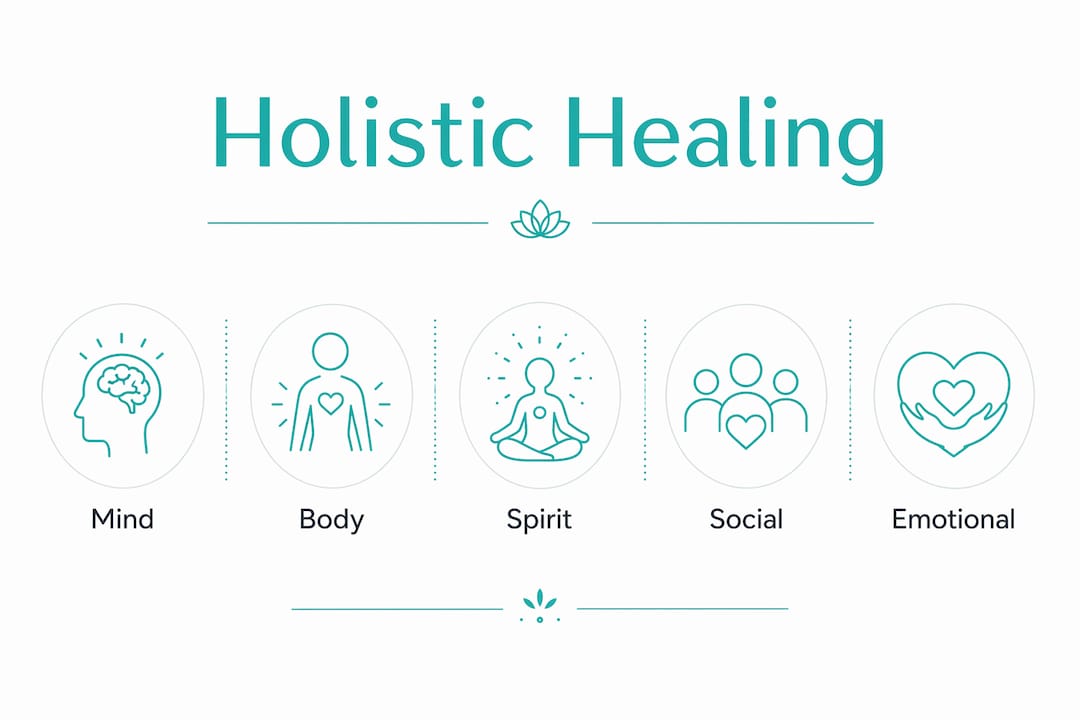
Holistic healing is defined as a whole-person approach to health that addresses the physical, mental, emotional, social, and spiritual dimensions of well-being simultaneously, rather than treating isolated symptoms. Unlike conventional medicine, which defines health primarily as the absence of disease, integrative medicine defines it as a balanced state across physical, emotional, and spiritual systems. Practices range from Ayurveda and Traditional Chinese Medicine to mindfulness, Reiki, and nutritional therapy. If you are beginning to explore what is holistic healing and whether it belongs in your wellness routine, this guide covers the principles, techniques, evidence, and practical steps you need.
What is holistic healing and how does it work?
Holistic healing operates on the principle that the mind, body, and spirit are not separate systems. They are interconnected, and a disruption in one area creates imbalance across the others. This philosophy contrasts directly with conventional medicine’s symptom-focused model, where a headache is treated with pain relief rather than an inquiry into sleep, stress, or nutrition.
The mechanisms behind this approach are grounded in mind-body medicine, which uses behavioral, psychological, social, and spiritual techniques to influence physical health through neuronal, hormonal, and immunologic connections. Chronic stress, for example, activates the hypothalamic-pituitary-adrenal axis and suppresses immune function. Addressing that stress through meditation or breathwork produces measurable physiological changes, not just subjective feelings of calm.
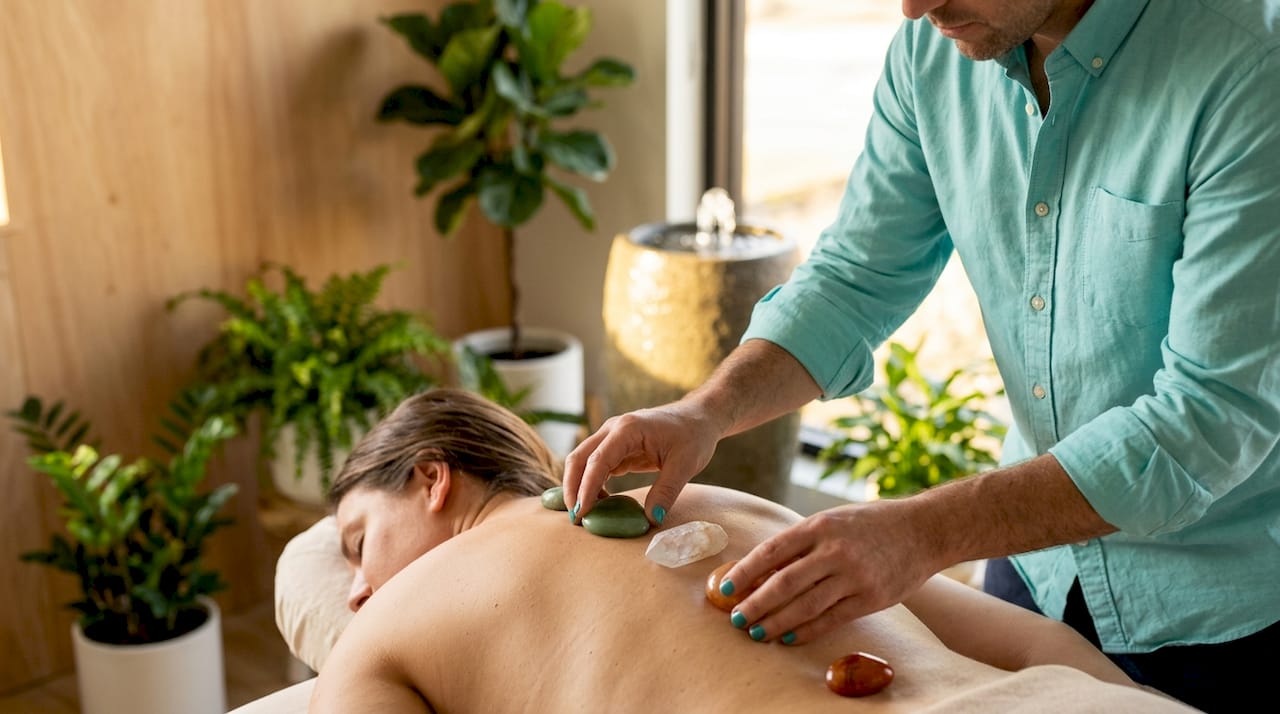
The therapeutic relationship is also central to how holistic healing works. A practitioner conducting a whole-person clinical intake assesses health behaviors, emotional and social context, and spiritual values before designing a personalized plan. This is fundamentally different from a 10-minute appointment focused on a single complaint.
Key principles that guide holistic healing include:
- Prevention over treatment. The goal is to maintain balance before illness develops, not only to manage it after.
- Personalization. No two treatment plans are identical because no two people carry the same combination of physical, emotional, and social factors.
- Patient empowerment. You are an active participant in your own care, not a passive recipient of a prescription.
- Integration. Holistic healing does not reject conventional medicine. It coordinates with it where appropriate.
Pro Tip: When evaluating a holistic practitioner, ask specifically how they assess your emotional and social health, not just your physical symptoms. A practitioner who skips this step is not practicing true whole-person care.
Common holistic healing techniques and approaches
Holistic healing is not a single method. It is a care philosophy expressed through dozens of distinct practices, each targeting different dimensions of health. The World Health Organization’s framework for integrating traditional medicine into primary health care recognizes five major categories of complementary and integrative approaches.
| Category | Examples | Primary Focus |
|---|---|---|
| Whole medical systems | Ayurveda, Traditional Chinese Medicine, Naturopathy | Complete diagnostic and treatment frameworks |
| Mind-body practices | Meditation, yoga, mindfulness, breathing exercises | Nervous system regulation, emotional balance |
| Body-based practices | Massage therapy, chiropractic care, physiotherapy | Structural alignment, circulation, pain relief |
| Biologically based practices | Herbal medicine, nutritional therapy, supplements | Biochemical support, immune function |
| Energy medicine | Reiki, acupuncture, qi gong | Biofield regulation, vital energy flow |
Each category addresses a different entry point into the mind-body-spirit system. Ayurveda, for instance, classifies individuals by constitutional type (dosha) and prescribes diet, herbs, and lifestyle accordingly. Traditional Chinese Medicine maps the body’s energy pathways (meridians) and uses acupuncture to restore flow where blockages cause dysfunction.
Mind-body practices like yoga and mindfulness are among the most studied. An 8-week mindfulness intervention in women recovering from myocardial infarction demonstrated measurable stress reduction that persisted for at least six months. This finding matters because it shows that psychological techniques produce durable physiological outcomes, not temporary relief.
These approaches are most effective when combined rather than used in isolation. A person managing chronic pain might use chiropractic care for structural issues, mindfulness to reduce pain-related anxiety, and nutritional therapy to address inflammation. Spiritualmethod’s resources on spiritual healing practices offer a practical starting point for understanding how these techniques work together in a structured personal wellness framework.
What are the evidence-based benefits and limitations of holistic healing?
The benefits of holistic healing span psychological, physical, and social dimensions. Research consistently supports several outcomes:
Psychological benefits are the most robustly documented. Mindfulness-based cognitive therapy reduces stress, depressive symptoms, and anxiety across multiple clinical populations. The Johns Hopkins mindfulness study cited above is one of dozens showing that structured mind-body practice produces clinical-grade psychological improvement.
Physical health improvements include reduced blood pressure, improved immune markers, better sleep quality, and lower inflammatory biomarkers. These outcomes are not incidental. They follow directly from the mind-body connection that holistic healing is built on. When stress hormones decrease, the body’s repair and regulatory systems function more effectively.
Prevention and lifestyle change represent perhaps the strongest long-term argument for holistic healing. By addressing diet, movement, sleep, social connection, and emotional regulation together, the approach targets the upstream causes of chronic disease rather than managing downstream symptoms.
“Integrative medicine aims to combine conventional and nonconventional approaches focusing on health and the whole person, emphasizing the therapeutic relationship.” — MSD Manual Consumer
That said, evidence quality varies significantly across practices. Some complementary therapies are evidence-informed rather than evidence-based, meaning they are supported by clinical experience and traditional use rather than randomized controlled trials. Reiki and certain energy medicine practices fall into this category. This does not make them ineffective, but it does mean you should apply greater scrutiny when choosing them for serious health conditions.
Coordination with conventional care is non-negotiable for anyone managing a diagnosed condition. Holistic healing works best as a complement to, not a replacement for, evidence-based medical treatment.
Pro Tip: Before starting any new holistic practice, search the practitioner’s credentials through a recognized professional body. In the United States, organizations like the National Certification Commission for Acupuncture and Oriental Medicine (NCCAOM) and the American Holistic Health Association (AHHA) maintain practitioner registries.
How to incorporate holistic healing practices into daily life
Starting a holistic healing practice does not require a complete lifestyle overhaul. Sustainable integration happens through structured, incremental steps that build on each other over time.
Assess your current health across all dimensions. Before choosing a technique, evaluate where you feel most out of balance. Are you physically exhausted, emotionally reactive, socially isolated, or spiritually disconnected? Your answer determines your starting point.
Choose one practice and commit to it for 30 days. Consistency produces results; variety without depth does not. If stress is your primary concern, begin with a daily 10-minute mindfulness practice using an app like Insight Timer or Calm before adding other modalities.
Integrate movement and nutrition as foundational habits. Yoga, walking, and anti-inflammatory dietary patterns are among the most accessible and well-supported holistic practices. These do not require a practitioner and can be self-guided through resources like those available at Spiritualmethod.com.
Address social and emotional wellness deliberately. Holistic healing recognizes that social connection is a health variable, not a luxury. Schedule regular time with people who support your growth, and consider journaling or reflective practice to process emotional patterns.
Find a qualified practitioner for deeper work. For practices like acupuncture, Ayurvedic consultation, or energy medicine, seek a credentialed professional. Ask about their training, how they personalize treatment, and how they coordinate with your primary care provider.
Track your progress across all dimensions. Use a simple weekly check-in to rate your physical energy, emotional stability, social connection, and sense of purpose. This reflective practice keeps your plan aligned with your actual experience rather than a generic template.
The WHO has documented that integrating traditional self-care into primary health care strengthens community health outcomes by being culturally relevant, preventive, and patient-centered. This principle applies at the individual level too. The practices most likely to stick are those that align with your values, background, and daily structure.
If stress reduction is a priority, Spiritualmethod’s guide on reducing stress naturally offers structured, accessible techniques that complement a broader holistic wellness plan.
Key takeaways
Holistic healing treats the whole person across physical, mental, emotional, social, and spiritual dimensions, making it a fundamentally different approach from symptom-focused conventional medicine.
| Point | Details |
|---|---|
| Whole-person definition | Holistic healing addresses mind, body, spirit, and social factors together, not in isolation. |
| Five practice categories | Techniques span whole medical systems, mind-body, body-based, biologically based, and energy medicine. |
| Documented psychological benefits | Mindfulness-based interventions show clinically significant stress and anxiety reduction lasting six months or more. |
| Evidence varies by practice | Some therapies are evidence-informed rather than evidence-based; evaluate carefully for serious conditions. |
| Integration is the goal | Holistic healing works best alongside conventional care, not as a replacement for it. |
Why I think most people start holistic healing the wrong way
Most people I encounter approach holistic healing the same way they approach conventional medicine. They identify a symptom, search for the corresponding remedy, and expect results within weeks. That mindset produces frustration, not healing.
What I have observed, both personally and through years of engagement with wellness frameworks, is that the most meaningful shifts happen when people stop treating holistic practices as a menu of solutions and start treating them as a structured framework for self-understanding. The question is not “which technique fixes my anxiety?” It is “what does my anxiety tell me about the balance of my life?”
The mind-body-spirit connection is not a metaphor. It is a physiological reality. When you address emotional patterns through reflective practice, your nervous system responds. When you align your diet with your body’s actual needs rather than a generic plan, your energy changes. These are not mystical claims. They are the predictable outcomes of treating yourself as an integrated system.
The misconception I find most limiting is the belief that holistic healing is soft or unscientific. The evidence base for practices like mindfulness, acupuncture, and nutritional therapy is substantial and growing. The gap is not in the science. It is in how people apply these practices, usually inconsistently and without a coherent framework.
My advice for anyone beginning this path: start with one practice, apply it with discipline for 30 days, and observe the results across all dimensions of your life, not just the one you targeted. That discipline is what separates people who experience real change from those who collect wellness habits without transformation.
— Sean
Start your holistic wellness practice with Spiritualmethod
Spiritualmethod is built on the principle that inner healing requires practical methods, not abstract philosophy. The platform offers structured guides and resources covering spiritual healing practices, mindfulness techniques, and reflective frameworks designed to support real progress across mind, body, and soul. Whether you are just beginning to explore whole-person wellness or looking to deepen an existing practice, Spiritualmethod provides the organized, accessible tools to move forward with confidence. Explore the full library of spiritual healing resources to find the practices that align with your personal wellness goals and start building a routine grounded in evidence and intention.
FAQ
What is holistic healing in simple terms?
Holistic healing is a whole-person approach to health that addresses physical, mental, emotional, social, and spiritual well-being together rather than treating individual symptoms in isolation.
How does holistic healing differ from conventional medicine?
Conventional medicine defines health as the absence of disease, while holistic healing defines it as balance across physical, emotional, and spiritual systems, prioritizing prevention and personalization over symptom management.
What are the most common holistic healing techniques?
The five main categories are whole medical systems (Ayurveda, Traditional Chinese Medicine), mind-body practices (meditation, yoga, mindfulness), body-based therapies (massage, chiropractic), biologically based practices (herbal medicine, nutrition), and energy medicine (Reiki, acupuncture).
Is holistic healing scientifically supported?
Evidence quality varies by practice. Mindfulness-based interventions have strong clinical support, including a Johns Hopkins study showing lasting stress reduction in cardiac patients. Other practices like Reiki are evidence-informed rather than evidence-based, meaning they rely more on clinical experience than controlled trials.
How do I start a holistic healing journey?
Begin by assessing which dimension of your health feels most out of balance, choose one practice to commit to for 30 days, and track your progress across physical, emotional, social, and spiritual dimensions before adding additional modalities.
Pingback: Mind Body Soul Connection Explained: A 2026 Guide
Pingback: What Is Mind Body Medicine and How It Works