
Protecting your energy at work means managing your capacity, not just your calendar: use clear boundaries, deliberate interruption control, and short restorative breaks to stay focused and resilient. Right now, you can silence nonessential notifications, take a five-minute grounding break, and block one 15-minute restorative break at midday. These three moves are grounded in workplace recovery research on fatigue and attention.
TL;DR:
- Take a two to five minute screen free break every 45 to 90 minutes; psychological detachment matters, so leave work email alone.
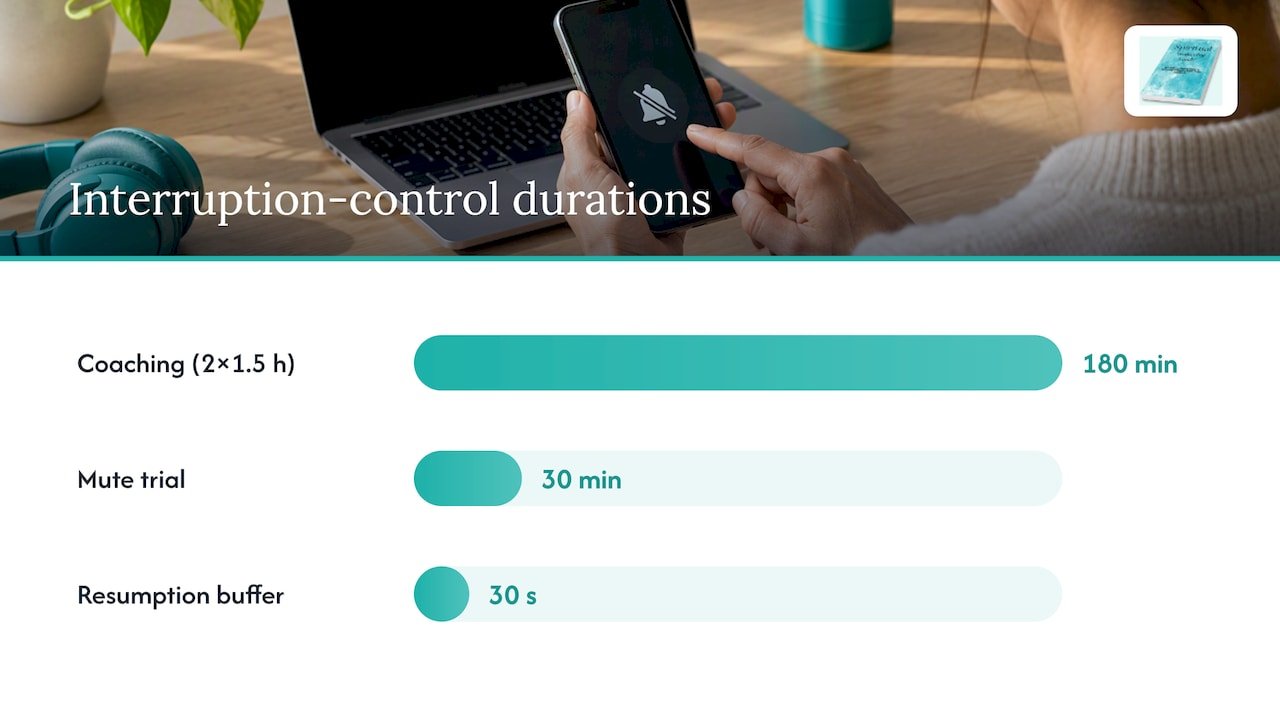
- Batch nonurgent alerts and keep only role critical notifications enabled; if silence triggers fear of missing out, start with 30 minutes.
- A 2024 workplace study found two manager coaching sessions, each lasting 1.5 hours, reduced interruptions and work intrusions into employees’ personal time.
- Track your natural energy peaks for a week or two, then reserve your sharpest hours for demanding tasks and schedule routine work after lunch.
- After interruptions, pause for 30 to 60 seconds before resuming; flexible timing can help people refocus faster than diving straight back in.
Table of Contents
- Quick daily tactics to protect energy
- Control interruptions and notifications
- Design your workspace and habits for energy preservation
- A six-step routine to protect your energy during the workday
- Spiritual Method approaches you can use at your desk
- Nutritional and physical activity tips that support sustained energy at work
- Longer-term strategies for spiritual energy protection at work
- Why protecting energy is ethical and sustainable
- How Spiritual Method can help: practical guides and planners
- FAQ
- Sources
Quick daily tactics to protect energy
Protecting your energy during a workday comes down to two linked skills: taking restorative breaks and practicing psychological detachment, which means mentally stepping away from work tasks rather than just physically leaving your desk. According to CDC and NIOSH guidance on burnout prevention, short restorative breaks, such as a brief walk, measurably reduce fatigue and tension, but only when workers actually detach psychologically during that time. Scrolling work email on a walk does not count as a break.
The same guidance notes that restorative self-care works better delivered in micro-doses throughout the day rather than saved up for one long block. A five-minute pause every ninety minutes keeps your reserves from draining to empty, while a single break at 4 p.m. often arrives too late to help.
Scheduling these breaks takes the same discipline you’d apply to a client meeting. Block them on your calendar as recurring events, set a status message like “heads down, back at 2:15,” and attach a tiny ritual, three slow breaths, a stretch, a sip of water, so your brain learns to associate the cue with actual rest.
Here are five tactics you can put into practice today:
- Block a couple of short recovery windows on your calendar before mid-morning and mid-afternoon.
- Set a visible status signal (quiet mode, colored light, closed door) during deep-work blocks.
- Replace one lunchtime scroll session with a five-minute outdoor walk.
- Pair each break with a one-line ritual, such as naming three things you notice around you.
- Review your calendar each Friday and remove one meeting that doesn’t need you.
Pro Tip: Treat your breaks like appointments with your most important client: yourself, nonnegotiable and rarely rescheduled.
Control interruptions and notifications
Interruptions cost more than the seconds they take. Research on task interruptions caused by workplace communication apps found that reducing notification-driven interruptions, through batching or disabling alerts, improved performance and lowered strain, though the benefit varied depending on individual differences such as fear of missing out and sense of telepressure, the felt urgency to respond immediately. In other words, the fix works, but anxious responders need a gentler on-ramp than confident ones.
A coaching intervention described in a 2024 workplace study offers a model worth borrowing: two 1.5-hour sessions with managers reduced both interruptions during work and work-related intrusions into employees’ personal time. The lesson translates well beyond formal coaching: a short, direct conversation with your manager about protected focus time may produce a similar effect without waiting for a company program.
Practical moves you can start this week:
- Batch notification checks to a few set times a day instead of reacting to every alert.
- Write a short status message explaining your availability window instead of just going dark.
- Give yourself a resumption buffer, even thirty seconds, before diving back into complex work after an interruption.
- Use a simple script with colleagues: “I’m in deep work until 2, can this wait until then?”
- Negotiate one recurring no-meeting block with your manager and frame it around output, not preference.
Not every notification deserves the same treatment. A general rule: silence anything that isn’t time-sensitive to your actual role, and re-enable alerts only for the handful of people or systems where a delayed response creates real cost. Everything else can wait for your next batch check.
Pro Tip: If FoMO makes silence feel risky, start by muting for 30 minutes instead of a half day. Confidence builds with evidence, not willpower.
Design your workspace and habits for energy preservation
Your environment either supports your focus or quietly drains it. A few fixes make an outsized difference:
- Adjust lighting toward natural or warm light where possible; harsh overhead fluorescents contribute to eye strain and fatigue.
- Set your chair and monitor height so your neck and shoulders stay neutral, reducing the low-grade tension that saps attention.
- Add one plant or a personal object within view; small visual anchors reduce the subtle stress of a sterile desk.
- Clear your desk surface to the two or three items you use daily; visual clutter competes for the same attention your work needs.
- Use noise-canceling headphones or a simple playlist to create an auditory boundary in open-plan offices.
Beyond the physical setup, energy-aligned scheduling matters more than most people realize. Instead of planning your day purely by time blocks, track when you naturally feel sharpest, often mid-morning for many people, and reserve that window for your most demanding task. Save routine or low-stakes work for the dip that follows lunch.
Small habit swaps compound. Single-tasking, finishing one thing before opening the next tab, protects the mental energy that constant switching quietly drains. An end-of-day ritual, even just closing your laptop and writing tomorrow’s first task on a sticky note, signals to your brain that work has a boundary, which helps prevent the boundary creep that turns a nine-to-five into an always-on job.
A six-step routine to protect your energy during the workday
A repeatable structure beats willpower and can include short mindfulness rituals, as explained in this practical guide to how tarot supports mindfulness. Here’s a routine you can copy into your planner or calendar today:
- Morning setup (5 minutes): Ground yourself with a few slow breaths, name your single top priority, and block your deep-work window plus two recovery breaks.
- Mid-morning (ongoing): Work in single-tasking blocks of 45 to 90 minutes, each followed by a two to five minute micro-break.
- Midday restorative break (15 minutes): Step away from screens entirely. Walk, stretch, or sit outside. This protected window is linked to measurable drops in fatigue and tension when detachment is genuine.
- Post-interruption buffer (30 to 60 seconds): After any disruption, pause briefly before resuming. Flexible resumption timing has been shown to help people refocus faster with fewer cognitive costs than diving straight back in.
- Afternoon dip (variable): Shift to lower-stakes tasks, email cleanup, filing, routine replies, when energy naturally drops rather than forcing focus work.
- End-of-day detachment (5 to 10 minutes): Close with a short ritual: write down one unfinished task so your mind can release it, then physically close your laptop as a boundary cue.
| Step | Timing | Duration |
|---|---|---|
| Morning setup | Start of day | 5 minutes |
| Micro-breaks | Every 45 to 90 minutes | 2 to 5 minutes |
| Restorative break | Midday | 15 minutes |
| Resumption buffer | After each interruption | 30 to 60 seconds |
| End-of-day ritual | Close of day | 5 to 10 minutes |
Spiritual Method approaches you can use at your desk
Evidence-based breaks work better when paired with a brief, intentional practice that signals a true reset. A few desk-friendly rituals take less than ninety seconds and fit between meetings:
- Grounding tap: Press your feet flat on the floor, exhale slowly, and silently name three things in your workspace. Use it right before a meeting that feels charged.
- Clearing breath: After a heavy email thread or a difficult call, take three deep breaths while visualizing tension leaving through your hands. This works as a reset before switching tasks.
- Boundary phrase: Silently repeat a short phrase like “this is not mine to carry” when a colleague’s stress starts to feel like your own.
- Re-centering pause: Close your eyes for thirty seconds and place a hand over your sternum before opening your next task.
The pairing matters as much as the practice. Use a grounding ritual before something you know will tax you, a meeting with office politics at play, a dense inbox, and use a clearing ritual right after, rather than carrying the residue into your next task.
For readers who want a structured path, our guide on 90 seconds to strong energy boundaries walks through short rituals and rules for setting limits at work, and our empath protection rituals page offers daily practices for those who absorb coworkers’ stress more easily. Readers drawn to simple physical anchors can also look at crystals for healing and protection as an optional addition to a grounding routine.
Pro Tip: Keep one ritual, not five. A single thirty-second practice you actually remember beats an elaborate routine you abandon by Wednesday.
Nutritional and physical activity tips that support sustained energy at work
What you eat and how you move shapes how much energy you have left to protect. Steady blood sugar, through protein and fiber at meals rather than sugar-heavy snacks, prevents the crash that makes afternoon focus feel impossible. Hydration matters more than most people account for: a glass of water before coffee each morning helps avoid the jittery dip that follows an empty-stomach caffeine hit.

Movement doesn’t need a gym. A short walk during your midday restorative break does double duty: it satisfies the detachment research while also getting blood moving to your brain. Standing up every hour, even for sixty seconds, interrupts the stiffness that quietly drains focus over a seated day. If your office allows it, a brief stretch sequence between meetings resets both posture and attention.
Caffeine timing is worth a second look. A cup in the first two hours after waking often works against your body’s natural alertness curve; delaying it slightly can extend its usefulness later in the morning. Pairing movement, steady meals, and a consistent water intake with the break schedule from earlier sections builds a foundation that willpower alone cannot sustain.
Longer-term strategies for spiritual energy protection at work
Short rituals handle daily wear, but sustainable energy protection also depends on habits built over weeks, not single afternoons. One of the most useful shifts is moving from classic time management toward energy management: tracking your natural peak windows over a week or two and gradually reshaping your calendar to match demanding work to those hours rather than fighting your own rhythm.
A second long-term practice is learning to tolerate stillness. Many people fill every break with a phone or a task because the quiet itself feels uncomfortable. That discomfort is normal, and treating it as something to work through rather than avoid makes grounding practices far more durable over time.
Finally, consistency beats intensity. A thirty-second ritual repeated daily for months changes your baseline more than an elaborate practice used once a quarter. Readers who want a structured, cumulative approach can explore our science-backed calming practices, which build on the same grounding principles in a format designed for repetition rather than one-off use.
Why protecting energy is ethical and sustainable
Protecting your energy at work is not indulgence, it’s maintenance. The hardest part isn’t learning a ritual; it’s tolerating the stillness that follows it, the few seconds where anxiety rises because you stopped producing. Sitting with that discomfort, rather than reflexively reaching for a task, is where the real shift from time management to energy management happens.
I’ve seen how a thirty-second grounding pause before a tense meeting changes nothing about the meeting itself but changes how a person shows up to it. No one notices the ritual. They notice that you seem steadier. Leaders who visibly protect their own breaks give their teams permission to do the same, which matters more than any written policy.
For readers who want to build this into a structured daily practice rather than piecing it together, downloadable guides offer a deeper starting point.
— Sean
How Spiritual Method can help: practical guides and planners
Building the routines in this article from scratch takes trial and error most workdays don’t allow for. Our Spiritual awakening guide gives you the structure already built: grounding practices, a forgiving habit tracker, and templates designed for routine-based healing rather than another app to maintain.

The bundle includes:
- A 50+ page guide covering grounding, energy clearing, and intention-setting practices adaptable to a workday.
- A spirituality planner and journal for tracking the habits and breaks outlined in the six-step routine above.
- A moon manifesting ritual guide for readers who want a longer-term, cyclical practice alongside daily desk rituals.
The guide suits readers just starting to build a grounding habit, while the journal and planner suit those ready to track progress over weeks rather than days. Together they map directly onto the daily routine covered earlier, so you spend less time designing a system and more time using it. The full bundle is $20 as a one-time download.
If you’re ready to turn today’s five-minute grounding break into a lasting practice, our Spiritual awakening guide is the next step.
FAQ
How do I protect myself from bad energy at work?
Start with physical and behavioral boundaries: limit unnecessary interactions with draining colleagues, take your restorative breaks away from office gossip, and use a brief grounding ritual before and after tense encounters. Pairing this with clear boundary-setting practices helps the habit stick over time.
How do I save energy at the workplace?
Saving personal energy at work means combining short restorative breaks with reduced interruptions. CDC and NIOSH guidance notes that even brief 15-minute breaks measurably reduce fatigue when you genuinely detach during them, rather than checking email on the walk.
How do I block negative energy spiritually?
A simple, desk-friendly approach is a short clearing ritual, a few deep breaths paired with a mental boundary phrase, used right after a draining interaction. Our empath protection rituals page offers a fuller daily practice for readers who want to go deeper.
What does it mean to protect your energy?
Protecting your energy means managing your mental and emotional capacity throughout the day, not just your time. The American Psychological Association notes that chronic, unmanaged workplace stress leads to emotional exhaustion and growing mental distance from work, which is exactly what boundaries and detachment practices are designed to prevent.
What’s a quick ritual for staying calm during a stressful meeting?
A thirty-second grounding tap, feet flat on the floor, three slow breaths, works well right before a meeting you expect to be tense. For readers who want a fuller set of calming techniques, our science-backed calming practices page offers additional options.
Sources
- CDC/NIOSH — Module 9: Employee-focused approaches to reducing burnout risk
- EEG correlates of cognitive dynamics in task resumption after interruptions — PMC
- Effects of task interruptions caused by notifications from communication applications on strain and performance — PMC
- American Psychological Association — Better boundaries in clinical practice