
Nature is defined as one of the most accessible and evidence-supported environments for emotional restoration, spiritual connection, and inner peace. The role of nature in soul healing operates through measurable biological pathways, psychological mechanisms, and spiritual experiences that work together to reduce suffering and rebuild a sense of meaning. Clinically, this process is studied under the term ecotherapy, a structured therapeutic approach grounded in the concept of biophilia, the innate human drive to connect with living systems. A 2026 meta-analysis of more than 3,800 studies involving over 10 million people confirmed consistent links between nature contact and reduced anxiety and depression. That scale of evidence makes nature one of the most validated non-clinical tools available for soul-level healing.
How does nature support soul healing and emotional balance?
Nature reduces anxiety and depression through three overlapping biological pathways: cortisol reduction, autonomic nervous system regulation, and HPA axis rebalancing. These are not abstract concepts. They describe measurable physical changes that happen when you spend time in a natural setting, changes that directly affect how you feel emotionally and spiritually.
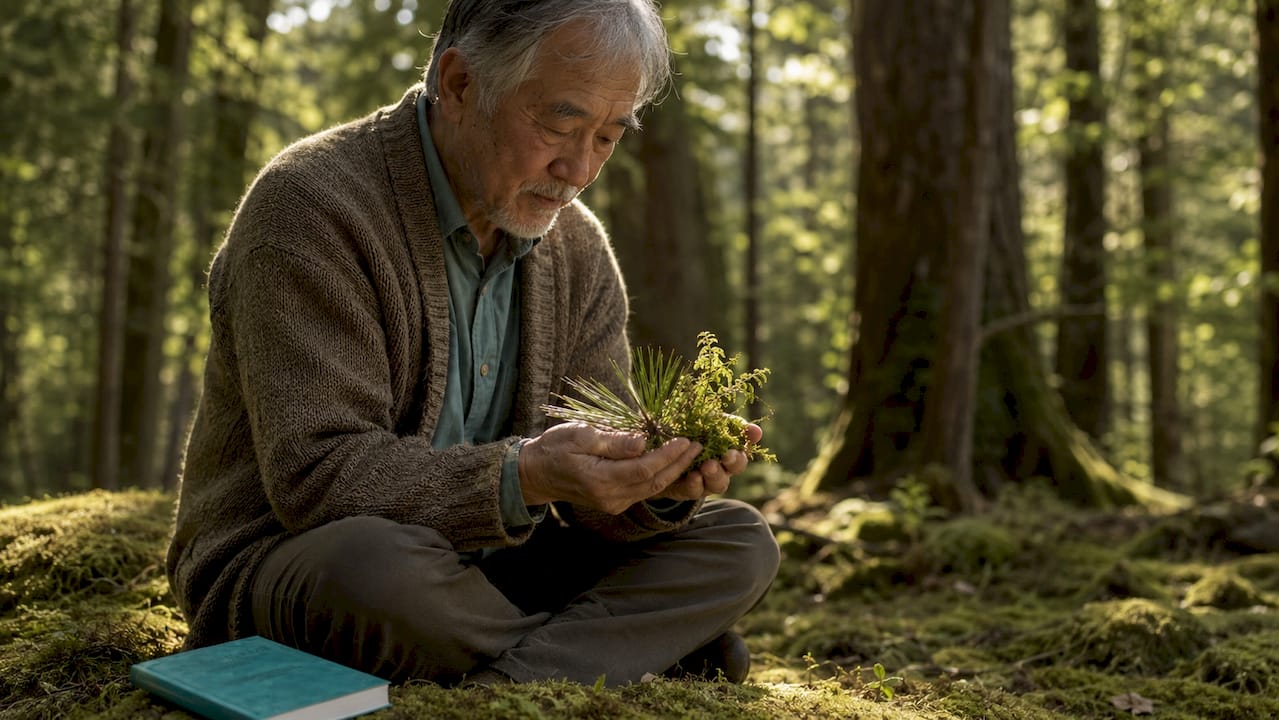
Two psychological models explain why this works. Stress Reduction Theory, developed by Roger Ulrich, proposes that natural environments trigger an involuntary shift away from stress arousal toward calm. Attention Restoration Theory, developed by Rachel and Stephen Kaplan, explains that nature restores directed attention capacity by engaging what they call soft fascination, the gentle, effortless focus that a forest or flowing water naturally produces. Both models point to the same outcome: nature gives the mind permission to stop working so hard.
Forest therapy, compared directly to urban settings, increases parasympathetic nervous system activity, lowers cortisol, and improves sleep quality and cognitive function. That shift from sympathetic to parasympathetic dominance is the physiological signature of safety. When the body registers safety, the soul has room to process pain.
The practical threshold for these benefits is lower than most people expect. As little as 10–20 minutes of daily nature exposure helps prevent stress and mental-health strain while improving mood and lowering cortisol. That finding matters because it removes the excuse that healing requires a weekend retreat or a wilderness expedition.
Pro Tip: Start with a single daily practice: sit outside for 15 minutes without your phone. Focus on one sensory input at a time, sound, then texture, then light. This structured sensory sequence activates the attention restoration pathway more reliably than passive sitting.
What are the spiritual and psychological mechanisms behind nature’s healing power?
Nature facilitates spiritual connection through experiences of awe and meaning that are entirely independent of formal religious beliefs. This finding is significant for people who feel disconnected from organized religion but still seek something larger than themselves. A forest, an ocean, or even a city park can generate the same sense of belonging and purpose that traditional spiritual practice offers.
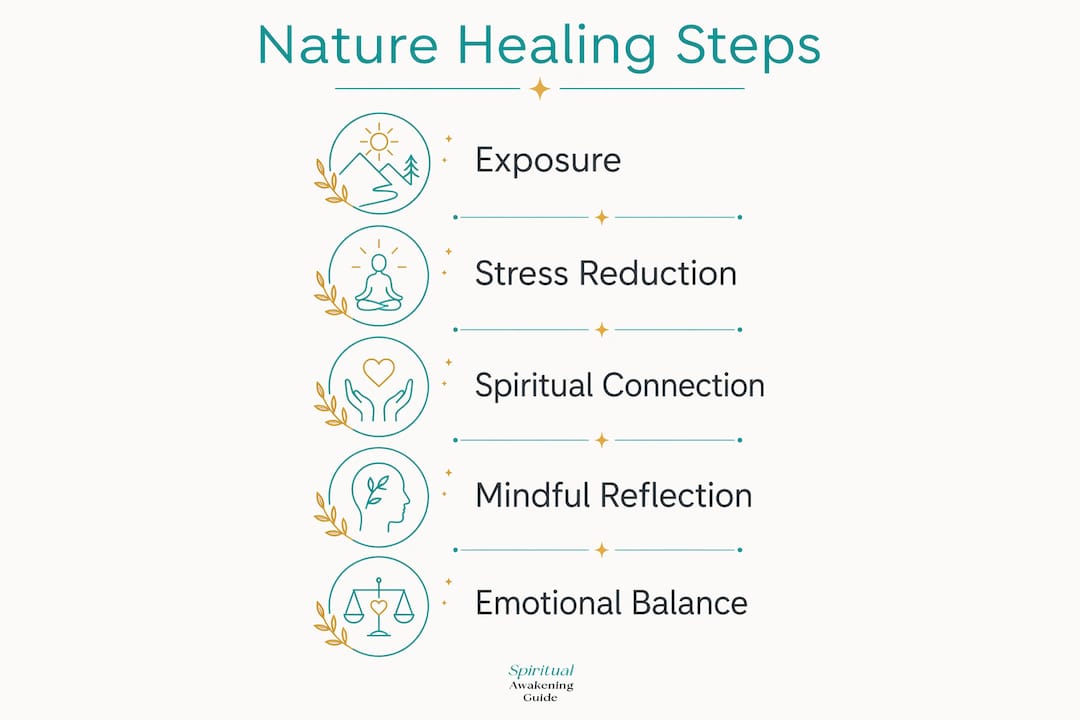
The psychological mechanisms behind this are grounded in the biophilia hypothesis, first articulated by biologist E.O. Wilson. Biophilia proposes that humans carry an evolutionary predisposition to affiliate with other living systems. When that affiliation is activated, it produces feelings of comfort, safety, and connection. Those feelings are not incidental to soul healing. They are the foundation of it.
Ecotherapy practices that activate these mechanisms include:
- Guided nature walks with structured reflection prompts that help you name what you observe and connect it to your inner state
- Mindful gardening, which combines physical grounding, sensory engagement, and the experience of nurturing life through cycles of growth and decay
- Water proximity practices, such as sitting beside a river or ocean, which research links to reduced rumination and increased feelings of awe
- Nature journaling, which pairs sensory observation with written reflection to deepen emotional processing
Nature-based mindfulness interventions reduce stress and rumination by engaging psychophysiological pathways linked to biophilia. Integrating contemplative practice in nature supports belonging, comfort, and emotional grounding in a way that is both effective and accessible. Spiritualmethod’s guide on journaling for soul healing offers a structured framework for combining written reflection with nature observation.
Structured reflection is the key variable that separates passive time outdoors from genuine soul healing. Nature provides the sensory environment. Reflection converts that environment into meaning.
Pro Tip: After any nature-based practice, write three sentences: what you noticed, what it reminded you of, and what you want to release. This three-step reflection ritual anchors the sensory experience in emotional memory.
Does nature heal everyone the same way?
Nature healing is not uniform. A 2026 Frontiers study found that emotional system pathways, specifically the CARE, SEEK, and PLAY systems versus the FEAR and ANGER systems, directly mediate how a person connects to nature. People whose dominant emotional patterns involve fear or anger are more likely to experience nature as threatening or overstimulating rather than restorative.
Nature connectedness relates to lower anxiety and depression through attachment pathways that can be positive or disruptive. This means your personal emotional history shapes how you receive nature’s healing effects. Someone who grew up feeling safe outdoors will respond differently than someone for whom outdoor spaces carry memories of danger or neglect.
The table below maps common emotional profiles to suggested nature engagement styles:
| Emotional profile | Suggested nature engagement |
|---|---|
| High anxiety, fear-dominant | Start with small, enclosed green spaces like a garden or courtyard |
| Grief or loss | Water proximity practices, slow walks with no destination |
| Disconnection or numbness | Tactile practices: gardening, barefoot walking, handling natural objects |
| Anger or frustration | Vigorous outdoor movement: hiking, swimming, trail running |
| Spiritual seeking | Quiet forest immersion, dawn or dusk observation, moon rituals |
For people with anxiety or depression, building nature connectedness requires starting with low-threat, predictable environments to foster safety and comfort before moving to more expansive settings. A neighborhood park is a legitimate starting point. Healing does not require wilderness.
Pro Tip: If nature feels uncomfortable rather than calming, that is information, not failure. Begin with a single plant in your home or a five-minute sit on a doorstep. Build familiarity before building duration.
Practical approaches for integrating nature into your healing practice
A structured daily practice produces more consistent results than occasional long retreats. The following sequence builds a nature-based healing routine from the ground up:
- Daily soul check-in (10–20 minutes). Step outside at the same time each day. Observe without judgment. This consistency trains the nervous system to associate that time with safety and restoration.
- Healing walk ritual. Walk slowly, without earphones, and assign each five minutes a different sensory focus: sound, sight, and physical sensation. Spiritualmethod’s nature healing walk guide provides a step-by-step structure for this practice.
- Nature journaling. Bring a notebook outdoors. Write one observation, one emotion it surfaces, and one intention for the day. This practice links sensory input to emotional processing in a concrete, repeatable way.
- Seasonal ritual alignment. Align personal reflection practices with seasonal transitions. Equinoxes and solstices offer natural markers for releasing old patterns and setting new intentions. Spiritualmethod’s moon ritual guide offers a complementary framework for this kind of cyclical practice.
- Guided or supported sessions. Therapist-supported nature therapy helps translate sensory experiences into emotional processing and deeper healing outcomes. If you are working through trauma or grief, a guided format significantly increases the depth of healing.
Effective nature prescribing integrates cultural safety, equity, and Indigenous knowledge to create accessible, personalized healing interventions. This means your practice should reflect your own cultural context and lived experience, not a generic template. Adapt these steps to fit your environment, your schedule, and your spiritual framework. A guided meditation practice can also complement outdoor sessions by deepening the contemplative quality of your nature time.
Access and safety are real considerations. Urban residents, people with mobility limitations, and those without safe outdoor spaces can still benefit from indoor plants, nature soundscapes, and window-based observation. The healing power of nature does not require perfect conditions.
Key takeaways
Nature heals the soul through measurable biological changes, psychological restoration, and spiritual connection, and consistent short daily practice produces more lasting results than occasional immersion.
| Point | Details |
|---|---|
| Daily exposure threshold | 10–20 minutes of nature contact daily is sufficient to reduce cortisol and improve mood. |
| Emotional profile matters | Your dominant emotional patterns shape how you receive nature’s healing effects; start with low-threat settings if anxiety is high. |
| Spiritual connection is universal | Nature generates awe and meaning independent of religious belief, making it accessible to all spiritual backgrounds. |
| Reflection amplifies healing | Structured reflection, through journaling or guided prompts, converts sensory experience into lasting emotional processing. |
| Guided support deepens outcomes | Therapist-supported or structured nature therapy produces deeper healing than unguided time outdoors alone. |
What I have learned from years of working with nature-based healing
The most common mistake I see is treating nature as a passive backdrop. People go for a walk and expect to feel better simply because they were outside. That sometimes works for mild stress. For genuine soul-level healing, it rarely does.
What actually moves the needle is the relational container around the experience. When someone pairs time in nature with structured reflection, a journaling practice, or a guided session, the sensory input gets converted into meaning. Without that conversion, the walk stays a walk. With it, the walk becomes a turning point.
The second thing I have noticed is how quickly the physiological calming begins. People who are new to ecotherapy are often surprised that they feel measurably different after just 15 minutes outside. That quick shift is real. It is the autonomic nervous system responding to low-threat sensory input. Knowing that it works fast removes the pressure to “do it right” and makes it easier to start.
The third thing, and the one I feel most strongly about, is that small and consistent beats large and rare. A 15-minute daily practice in a neighborhood park will produce more lasting change than a single weekend forest retreat. The nervous system learns through repetition, not intensity. Build the routine first. Depth follows naturally.
Healing through nature is not one-size-fits-all. If you have tried it and it felt uncomfortable, that response is worth paying attention to rather than pushing through. Start smaller. Start closer to home. The spiritual healing practices at Spiritualmethod are designed with exactly that kind of personalization in mind.
— Sean
Nature-based healing resources at Spiritualmethod
Spiritualmethod offers structured resources that complement nature-based healing for people ready to go deeper into their emotional and spiritual restoration.
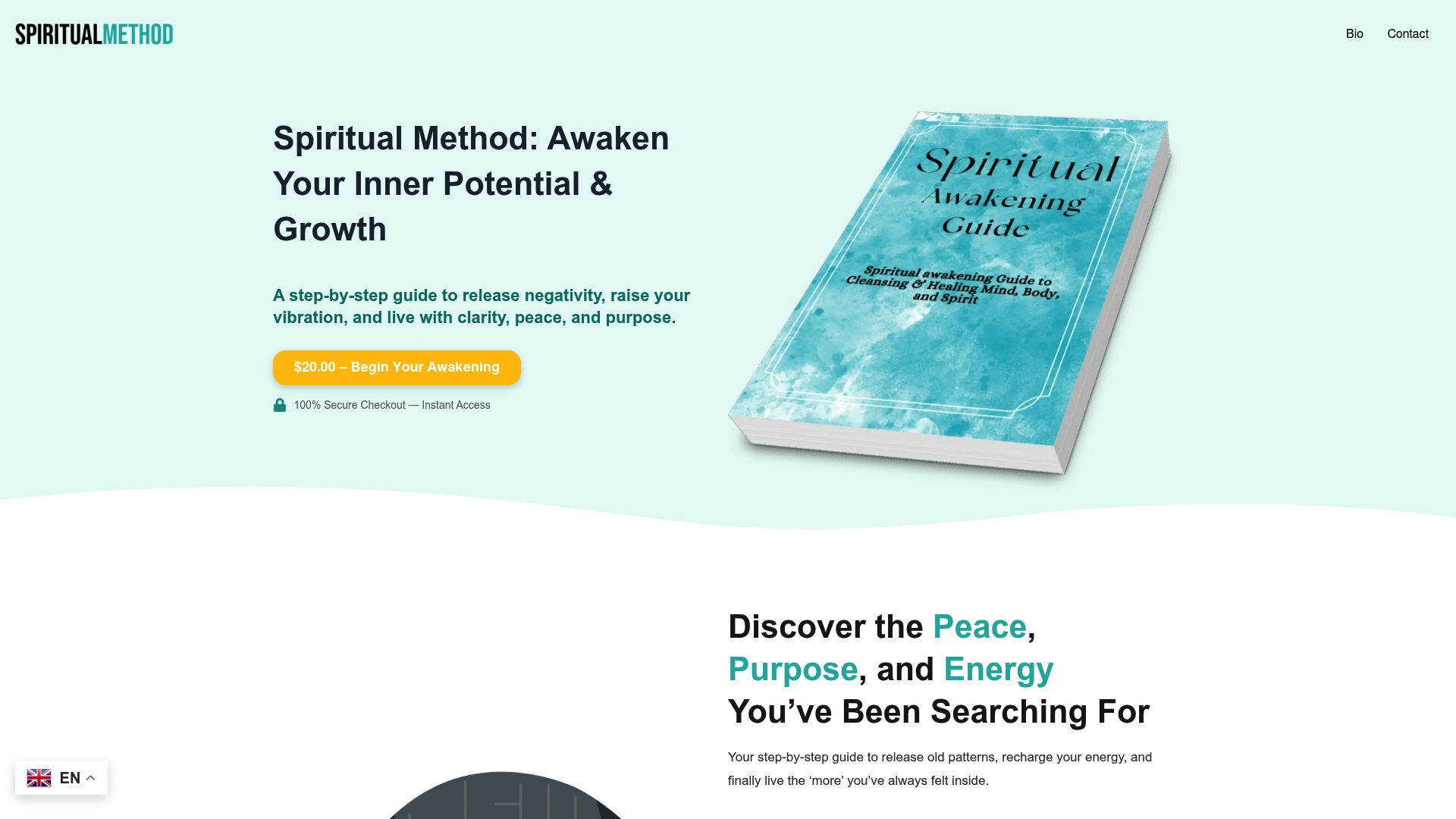
The soul retrieval healing examples on the site provide eight concrete approaches to recovering fragmented parts of the self, practices that pair directly with the reflective and sensory work that nature-based healing initiates. For those working through grief, disconnection, or spiritual seeking, these structured methods offer a clear next step. Spiritualmethod also provides a dedicated guide on sacred rituals for healing that integrates ritual elements with the cyclical, seasonal awareness that outdoor practice naturally develops. Each resource is designed to support personal growth at a pace that fits your life.
FAQ
Can nature heal the soul without therapy or religion?
Nature heals the soul through biological and psychological mechanisms that operate independently of formal therapy or religious belief. Research confirms that emotionally meaningful nature experiences foster belonging and purpose without any religious framing.
How long does it take for nature to reduce stress?
As little as 10–20 minutes of daily nature exposure reduces cortisol and improves mood. Physiological calming can begin within the first few minutes of entering a natural setting.
What is ecotherapy and how does it support soul healing?
Ecotherapy is a structured therapeutic approach that uses intentional nature engagement to support emotional and psychological healing. It draws on the biophilia hypothesis and includes practices like guided walks, mindful gardening, and nature journaling.
Why does nature feel uncomfortable for some people?
People whose dominant emotional patterns involve fear or anger may experience nature as overstimulating rather than calming. Starting with small, predictable green spaces builds the safety and comfort needed for nature connectedness to develop.
What outdoor healing practices work best for spiritual growth?
Forest immersion, water proximity practices, and seasonal ritual alignment consistently support spiritual growth by generating awe, reducing rumination, and fostering a sense of connection to cycles larger than the self.
Recommended
- Explore mind-body medicine and holistic wellness with guides on meditation, yoga, spiritual detox, and transformative healing. Read practical insights now. – Spiritual Awakening Guide: Clarity, Peace, Growth
- Nature Healing Walk Ritual: Your Step-by-Step Guide
- The Role of Sacred Rituals in Healing Mind and Soul
- Journaling for Soul Healing: A Practical Guide