
The fastest safe body energy cleanse follows one sequence: ground your body, breathe with intention, rinse with water or visualize a clearing light, then seal with a boundary. Done in five to twenty minutes, daily or whenever you feel drained, this routine tends to leave people calmer and mentally clearer, though results are subjective and build with repetition rather than a single session.
TL;DR:
- Grounding practices like standing barefoot or naming sensory details improve energy clearance and are most effective when paired with a clear intention spoken aloud.
- Breathwork and visualization methods, including salt baths and sound practices like humming, can reduce stress and promote relaxation through nervous system regulation.
- Regular routines of five to ten minutes daily grounding and breathing, along with weekly longer resets, better prevent energy buildup than infrequent, lengthy rituals.
- Use caution with traditional tools such as herbs, smoke, and crystals, respecting their cultural origins and avoiding practices if you have health conditions like asthma or severe allergies.
- While scientific evidence does not support “energy” clearing directly, many rituals align with proven stress-reduction techniques that benefit nervous system health.
Table of Contents
- A 10-Minute Quick Energy Cleanse You Can Do Right Now
- Why Grounding and Intention Come Before Anything Else
- What Are the Best Body Energy Cleanse Methods?
- How Do You Shield and Seal Your Energy After a Cleanse?
- Building a Daily and Weekly Energy Hygiene Routine
- Safety and Cultural Respect When Using Traditional Tools
- What Are the Signs You Need a Body Energy Cleanse?
- Does Diet Affect Your Energy Cleanse Results?
- How Long and How Often Should You Cleanse Your Energy?
- What Should You Expect Emotionally During and After a Cleanse?
- Is There Scientific Support for Energy Cleansing Practices?
- A Practitioner’s Note on What Actually Works
- Ready for a Structured Energy Cleansing Practice?
- Sources
A 10-Minute Quick Energy Cleanse You Can Do Right Now
You do not need candles, herbs, or a spare hour to shift how you feel. This sequence works standing at a sink, sitting at a desk, or stepping into a shower.
- Ground (1 minute). Plant both feet flat on the floor, relax your shoulders, and imagine roots dropping from your feet into the earth.
- Breathe (2 to 3 minutes). Inhale for four counts, hold for four, exhale for six. Repeat eight to ten cycles.
- Clear (3 to 5 minutes). Run cool water over your hands and wrists, step into a shower, or close your eyes and picture white light washing down your body from head to toe.
- Seal (1 minute). Cross your arms over your chest or picture a thin shell of light around your body, then state a short intention like “I release what isn’t mine to carry.”
No shower nearby? A quick spritz of water and salt on your palms, or even just the breathwork alone, still shifts something. Use this routine after a hard conversation, before bed, or the moment you walk in the door from a draining environment. Afterward, drink water and give yourself a few quiet minutes before jumping back into tasks.
Why Grounding and Intention Come Before Anything Else
Skipping straight to smudging or a salt bath without grounding first is like trying to clean a room with the windows shut. Practitioners consistently emphasize clearing yourself before you clear your space, since a scattered, ungrounded state makes any ritual less effective, according to guidance from Yoga Journal.
Grounding itself can be almost embarrassingly simple:
- Stand barefoot on grass, dirt, or a wood floor for a short period.
- Press your palms against a wall and notice the resistance.
- Name five things you can see, four you can hear, three you can touch.
Pair grounding with a short, spoken intention. Something as plain as “I am clearing what no longer serves me” or “I am making space for calm” works better than an elaborate script, because you’re more likely to actually say it. Crack a window for airflow and clear visible clutter from the space you’re in. A cluttered room competes for the same attention your ritual needs.
Pro Tip: Say your intention out loud, even in a whisper. Speaking it engages a different part of your attention than simply thinking it, and it makes the ritual feel less abstract.
What Are the Best Body Energy Cleanse Methods?
Different methods suit different moods, schedules, and comfort levels. Here’s how to actually do each one, not just why it exists.
Breath and visualization. Inhale for a count of four, hold for four, exhale for six, and picture tension leaving your body as a gray mist with each exhale. Five minutes is enough to notice a shift, and this pairs well with the quick routine above.
Salt baths and foot soaks. Dissolve sea salt or Epsom salt in a warm bath, or add some to a foot soak basin, and sit for several minutes. Wellness practitioners commonly recommend salt water as a grounding, calming ritual, particularly after emotionally heavy days, per Yoga Journal. Skip this if you have open wounds, severe skin conditions, or low blood pressure that makes warm baths risky.
Smudging and smoke-free alternatives. Traditional smudging involves lighting dried herbs and fanning the smoke around your body with a feather or hand, always over a fireproof dish with a window open. If smoke bothers your lungs or you’d rather not use it, a spray bottle of water mixed with a pinch of salt or a few drops of an essential oil works as a practical substitute, a swap Yoga Journal also recommends.
Sound clearing. Humming for thirty seconds, or running a singing bowl mallet around its rim for a minute, does more than create atmosphere. Sound practices like humming and singing bowls can stimulate the vagus nerve and encourage a parasympathetic, rest-and-digest state, according to Happiful. One review of vagal-stimulating practices found similar calming effects tied to slow breathing and sound, which is worth knowing if you’re skeptical of “energy” language but curious about the physiology behind why it works, per a PubMed Central review.

Movement and nature. A twenty-minute walk outside, especially somewhere with trees or open sky, shifts mood and reduces stress in ways that are well documented in mind-body research, including a broader review of physiological effects tied to relaxation-based practices.
Crystals as anchors. Holding a stone like clear quartz or black tourmaline during breathwork gives your hands something to focus on, which helps some people stay present. Clear a crystal by rinsing it under running water or leaving it in moonlight overnight; if you also use tools like dowsing rods in your practice, a step-by-step cleaning guide covers the same clearing principle for those instruments.
How Do You Shield and Seal Your Energy After a Cleanse?
A cleanse that isn’t sealed is a bit like mopping the floor with the door wide open. Shielding and cord-cutting close the loop.
- Shield. Close your eyes, take three slow breaths, and picture a bubble of light surrounding your entire body, extending a few inches beyond your skin. State internally, “Only what serves my good comes through.”
- Cut cords. If a specific person or situation keeps replaying in your mind, visualize a cord connecting you to it, then picture yourself calmly cutting it with scissors of light. Use this after conflict, a draining meeting, or a breakup, not as a daily default.
- Set boundaries. Say no to one draining request today, or leave a stressful conversation five minutes earlier than usual.
These small, repeated habits prevent the kind of energetic buildup that makes a full cleanse necessary in the first place.
Building a Daily and Weekly Energy Hygiene Routine
Energy hygiene works the same way dental hygiene does: short daily habits prevent the deeper reset from becoming urgent. A few minutes of grounding and breath each morning does more over a month than one dramatic ritual every few weeks.
- Morning (3 to 5 minutes): Ground your feet, take ten slow breaths, and set one intention for the day.
- Evening (3 to 5 minutes): Shower or wash your hands with intention, then journal one line about what you’re releasing.
- Weekly reset (20 to 40 minutes): Combine a salt bath, ten minutes of movement, and a five-minute declutter of one surface in your home.
Decluttering is not just tidying. Household clutter has been linked to higher stress hormone levels, and clearing even one small area can shift mood measurably, according to research summarized by Happiful. Journaling prompts like “What felt heavy today?” or “What do I want more of this week?” help track whether your routine is actually working. For a fuller template, a daily spiritual hygiene routine breaks this down further.
| Ritual | Frequency | Time Needed |
|---|---|---|
| Morning grounding + breath | Daily | 3 to 5 minutes |
| Evening wash + journal line | Daily | 3 to 5 minutes |
| Salt bath, movement, declutter | Weekly | 20 to 40 minutes |
| Full cleanse with smoke or sound | As needed | 10 to 20 minutes |
Safety and Cultural Respect When Using Traditional Tools
Smoke, herbs, and sound tools carry real physical and cultural weight, and skipping the caution here causes the most preventable harm in this practice.
- Always burn herbs over a fireproof dish, in a ventilated room, away from smoke detectors and flammable fabric.
- Avoid smoke entirely if you have asthma, are pregnant, or have severe allergies. Use the salt water or essential oil spray alternative instead.
- Learn which herbs and tools come from specific cultural traditions, such as white sage from Indigenous North American practices, and use them with attribution rather than treating them as generic props.
- If you’re unsure of a tool’s origin, choose a neutral alternative like sound, breath, or water instead.
Respect here isn’t optional decoration. It’s the difference between borrowing a practice thoughtfully and hollowing it out.
What Are the Signs You Need a Body Energy Cleanse?
Most people don’t wake up thinking “my energy feels heavy.” It shows up sideways, as irritability that doesn’t match the moment, exhaustion that sleep doesn’t fix, or a foggy, scattered feeling that makes simple decisions feel harder than they should.
Common signs worth paying attention to include a persistent sense of heaviness after being around certain people or places, trouble concentrating despite adequate rest, recurring low-grade anxiety with no clear trigger, and a general feeling of being “off” that’s hard to name but easy to notice once it’s pointed out. Physical tension in the shoulders, jaw, or gut often shows up alongside the mental fog.
The benefits people report after a consistent cleansing practice tend to cluster around three areas: emotional steadiness, mental clarity, and a subjective sense of lightness. Some describe it as feeling like static has been turned off. Others notice better sleep, less reactivity in conversations, or an easier time letting go of a bad mood instead of carrying it into the next day.
None of this replaces medical or mental health care when something feels persistently wrong. But as a maintenance practice, layered onto ordinary self-care, an energy cleanse gives you a structured way to notice these shifts early and respond to them, rather than letting tension quietly stack up until it demands a bigger reset.
Does Diet Affect Your Energy Cleanse Results?
What you eat before and after a cleanse either supports the calm you’re building or works against it. Heavy, processed meals right before a breathwork or bath ritual tend to leave you sluggish rather than clear, since your body is busy digesting instead of settling.
A few simple adjustments make a noticeable difference. Drink more water than usual on cleanse days, since dehydration amplifies fatigue and makes it harder to notice subtle mental shifts. Favor lighter meals with vegetables, fruit, and lean proteins in the hours around a ritual, and go easy on caffeine and alcohol, both of which can heighten anxiety or blunt the calm you’re working toward. Herbal teas like chamomile, peppermint, or ginger are common practitioner favorites for settling the body before or after a cleanse.

None of this requires a strict detox diet or eliminating entire food groups. The goal is simply removing friction, so your body isn’t fighting a heavy meal while you’re trying to breathe slowly and let tension go. If you already eat intuitively and pay attention to how food makes you feel, you’re most of the way there already. The main shift is timing: give yourself thirty to sixty minutes between a big meal and a ritual, so digestion isn’t competing with the calm you’re trying to create.
How Long and How Often Should You Cleanse Your Energy?
There’s no fixed rule that a cleanse needs to last exactly twenty minutes or happen every Sunday, but a few general patterns hold up well in practice. Short daily rituals of five to ten minutes matter more for long-term results than infrequent, dramatic sessions, because they prevent the kind of buildup that turns a minor funk into a genuinely heavy few weeks.
For daily maintenance, five to ten minutes of grounding and breathwork is plenty. For a weekly reset, twenty to forty minutes combining a salt bath, movement, and a small declutter task tends to cover most of what accumulates over an ordinary week. Reserve a fuller cleanse, smudging or smoke alternatives plus sound and visualization together, for moments that call for it: after a conflict, a big life transition, moving into a new space, or simply when the daily and weekly routines aren’t cutting it anymore.
Consistency outperforms intensity here. Someone who grounds for five minutes every morning will likely notice more stable results over a month than someone who does one elaborate ninety-minute ritual and then nothing for three weeks. Think of it less like a deep clean you schedule twice a year and more like brushing your teeth: small, repeated, unglamorous, and effective precisely because it’s routine.
What Should You Expect Emotionally During and After a Cleanse?
Cleansing rituals sometimes stir things up before they settle things down. It’s common to feel a wave of emotion, sadness, irritability, even tears, partway through a breathwork session or salt bath, especially if you’ve been holding tension for a while without addressing it directly.
This isn’t a sign you’re doing it wrong. Emotional release is often part of the process, particularly the first few times you try a new method or after a period of unusual stress. Give yourself permission to feel whatever comes up rather than rushing to feel better immediately. Afterward, many people describe a kind of emotional exhale, a looseness in the chest or shoulders, or simply feeling more like themselves again.
That said, temper expectations. A single cleanse is not going to resolve deep grief, chronic anxiety, or unprocessed trauma, and treating it that way sets you up for disappointment. It’s a maintenance tool, not a substitute for therapy or medical care when those are what you actually need. Where it helps most is in the ordinary accumulation of daily stress, the small emotional residue that builds from difficult conversations, crowded environments, or simply being around draining people. Over weeks of consistent practice, most people notice they recover from stressful moments faster, not that stress disappears entirely.
Is There Scientific Support for Energy Cleansing Practices?
Mainstream science does not measure “energy” the way spiritual traditions describe it, and it’s honest to say that upfront. There is no instrument that detects the kind of energy a smudging ritual is said to clear. That gap is real, and pretending otherwise doesn’t serve anyone.
What research does support is the physiological groundwork underneath many of these rituals. A review of mind-body interventions found measurable effects on stress and relaxation markers from practices like breathwork and gentle movement, the same techniques used in energy cleansing, according to a review published through the National Center for Complementary and Integrative Health. Separately, research on vagal-stimulating practices, slow breathing, humming, and sound, links them to real reductions in stress and anxiety through nervous-system regulation, per a PubMed Central review.
The honest middle ground is this: the “clearing negative energy” framing may not hold up to a lab test, but the actions inside that framing, slow breathing, warm baths, decluttering, humming, walking outdoors, have a coherent, evidence-linked mechanism for reducing stress and shifting mood. You don’t have to fully believe in metaphysical energy for the ritual to still do something real for your nervous system.
A Practitioner’s Note on What Actually Works
Consistency beats intensity every time. People who ground and breathe for five minutes daily report steadier moods than those chasing one perfect ritual monthly. The most common beginner mistake is skipping the seal step, rushing back into a stressful day right after clearing, which undoes half the benefit. Try a few methods, keep what resonates, and adjust the rest freely. This practice is yours to shape.
— Sean
Ready for a Structured Energy Cleansing Practice?
A single ritual gets you through a rough day. A structured guide gets you through the months where staying consistent is the hard part. There are downloadable resources available that provide templates, tracking pages, and step-by-step rituals to support maintaining a consistent energy cleansing routine.
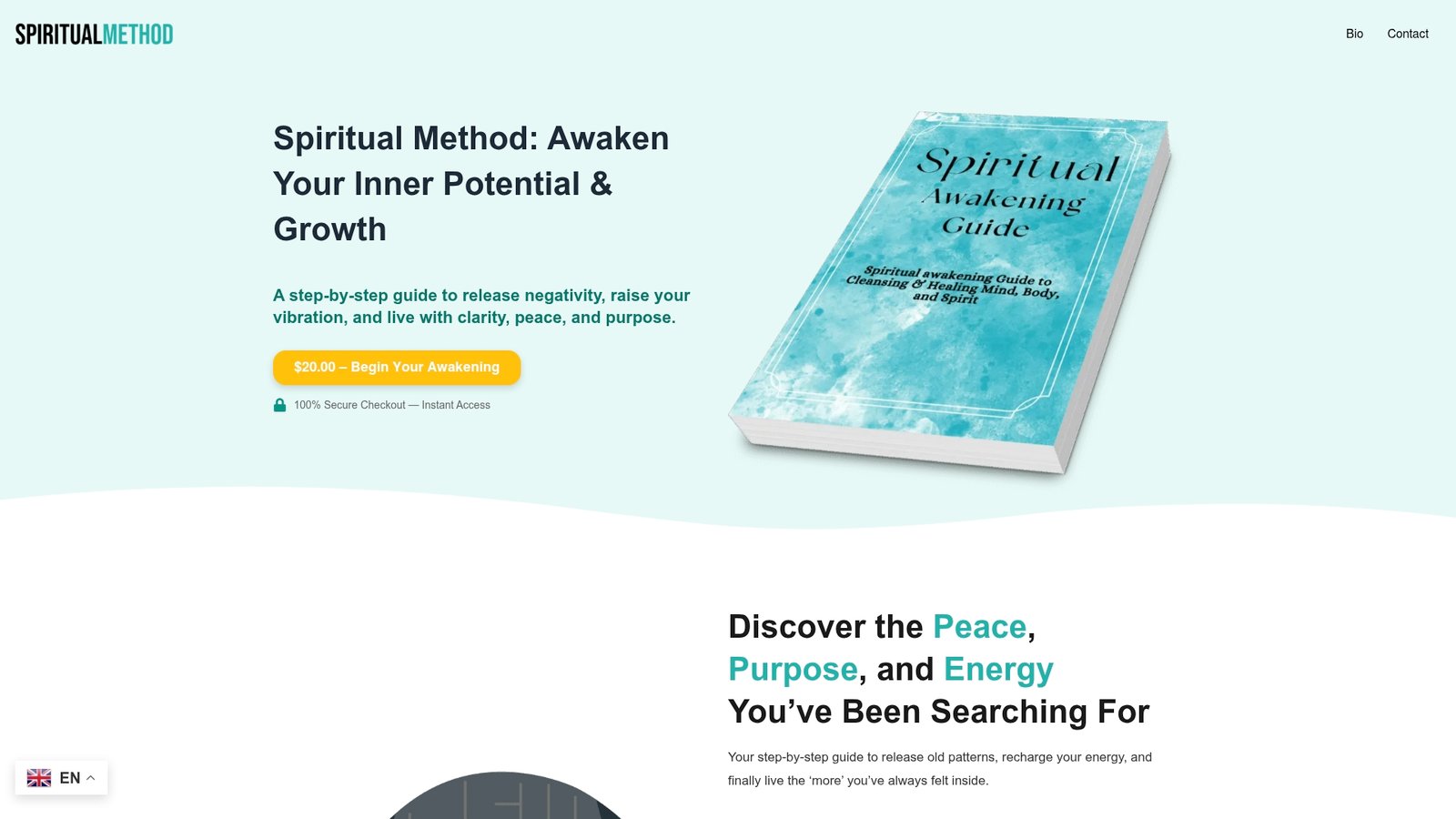
If grounding and daily hygiene are what you’re after, the Essential Guide to Spiritual Awakening and Energy walks through foundational grounding rituals in more depth than a single article can. If tracking your emotional shifts over weeks matters more to you, journaling for soul healing pairs reflective prompts with the kind of structure that turns a vague intention into a visible pattern. Both are instant digital downloads you can start using today. Pick the one that matches your goal and open it tonight.
Sources
- How to Clear Negative Energy (Yoga Journal)
- Energy cleansing rituals to create space in mind, body, and home (Happiful)
- PMC2952121 — Review of mind-body interventions
- PMC10182780 — Review on vagal activation and mind-body techniques