
A morning energy cleanse is a short ritual that pairs breath, sound or movement, and a spoken intention to clear negative energy and raise alertness before the day begins. A brief version pairs slow, paced breathing with humming and a spoken intention. The sections below walk through longer versions, the research behind the sound and breath work, and the safety notes worth knowing before you light anything on fire.
TL;DR:
- Keep water ready, take six slow breaths with four seconds in and six out, hum for 30 seconds, then state one intention aloud.
- A 2026 randomized study found 93.3% of rhythmic sound meditation participants reported feeling alert after 26 minutes, versus 73.3% of resting controls.
- Paced singing may raise heart rate and blood pressure slightly more than breathing alone, so people managing cardiovascular conditions should choose paced breathing.
- When burning incense, ventilate during and after brief sessions; people with asthma or other respiratory conditions should avoid incense made with charcoal.
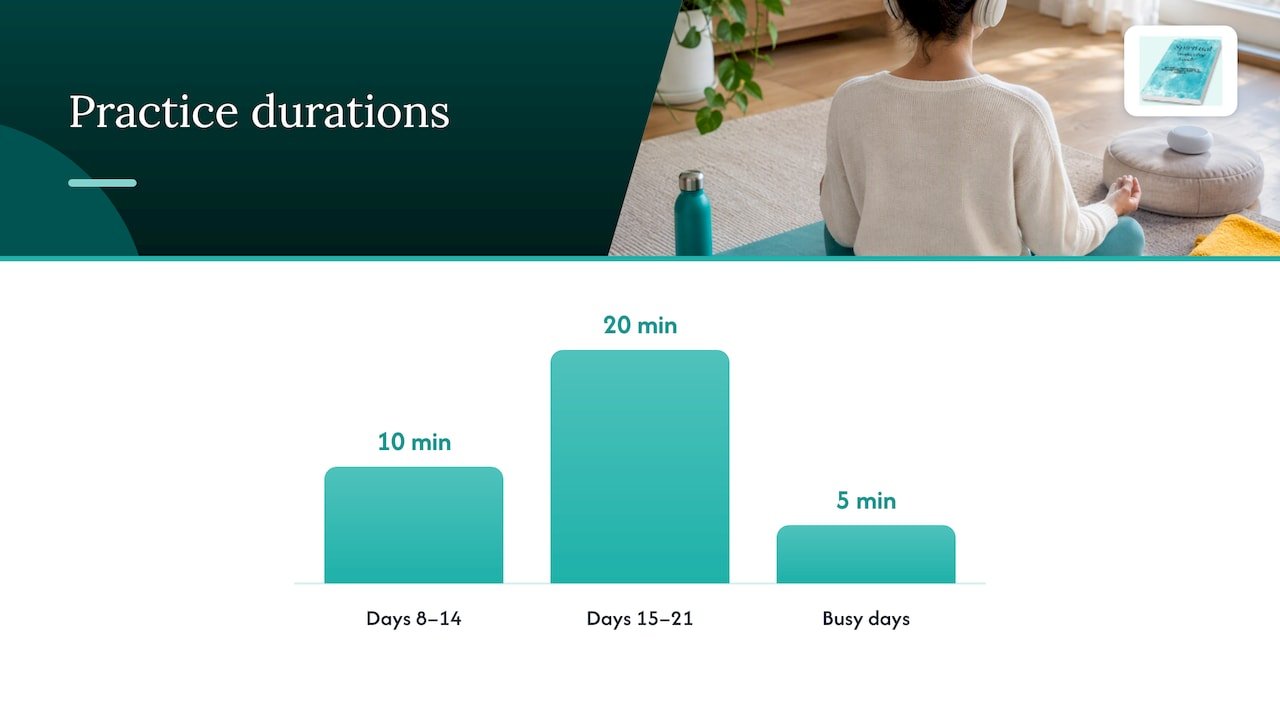
- Start small, try 10 minutes from days 8 to 14, then 20 minutes from days 15 to 21; use five minutes on busy days.
Table of Contents
- A step-by-step morning energy cleanse you can do in 5 to 20 minutes
- Why sound and music work: quick science and practical listening choices
- Breath, movement, and vocal practices to add to your cleanse
- Smudging, incense, and scent-based cleanses: benefits and safer habits
- Set an intention and use a quick journaling prompt to anchor the cleanse
- Make it stick: rhythm-based consistency and realistic progress
- Author perspective: teaching sustainable morning cleanses
- How our Spiritual Awakening Guide supports your morning cleanse
- FAQ
- Sources
A step-by-step morning energy cleanse you can do in 5 to 20 minutes
The structure stays the same no matter how much time you have: wake, hydrate, breathe, sound, move, set intention, write. What changes is how long you linger on each step.
Brief version:
- Drink a glass of water as soon as you’re upright.
- Take six slow breaths, four seconds in and six seconds out.
- Hum for 30 seconds at a comfortable pitch.
- Speak one intention out loud.
For 10 minutes:
- Drink water, then open a window or step near one for fresh air.
- Spend some time on paced breathing.
- Play a short guided track or hum.
- Move through three standing stretches, reaching overhead and twisting gently side to side.
- Set your intention aloud.
- Write one line in a notebook about what you’re releasing.
For 20 minutes:
- Drink water and sit somewhere quiet.
- Spend some time on paced breathing.
- Spend some time with a sound track, chant, or hum.
- Spend some time on gentle movement, such as a micro sun salutation sequence.
- Set an intention aloud.
- Journal using the release and invite format covered later in this guide.
A few practical notes make this easier to repeat daily:
- Keep headphones or a small speaker within reach so sound is one step away, not a search.
- Have a glass of water ready the night before.
- Keep a small notebook by your bed instead of relying on your phone.
- If you shower in the morning, hum or breathe through the water instead of adding a separate block of time.
- Traveling or short on space works fine seated on the edge of a bed with just breath and a whispered intention.
Pro Tip: Do the ritual at the same point in your morning every day, right after a step you already do automatically, like brushing your teeth, so you don’t have to decide when to start.
Why sound and music work: quick science and practical listening choices
Sound based practices aren’t just pleasant background noise. A 2026 randomized study of rhythmic sound meditation (RSM) recorded widespread EEG power reductions in frontal brain regions during a 26-minute session, alongside a jump in how alert participants said they felt afterward. Intentional sound may help you feel more awake before you’ve had coffee.
93.3% of participants in the RSM group reported feeling alert after their session, compared with 73.3% in the resting control group, according to the same EEG study. That’s a meaningful gap for a practice that takes less time than a shower.
Different formats serve different moods:
- A guided audio track works well when you want structure and don’t want to think about pacing yourself.
- Humming or chanting gives you a drone-like vibration without needing any equipment.
- Paced singing at a slow, steady rate can double as a breath practice, since it naturally stretches your exhale.
When picking a track or sound, favor a slow tempo over anything upbeat, keep the volume low enough that you can still hear your own breath, and aim for consistency in length rather than always chasing something new.
Breath, movement, and vocal practices to add to your cleanse
Breath and voice work pair naturally with sound, and research on paced breathing and paced singing gives a useful template. A script built around four seconds in and six seconds out, close to the 0.1 Hz pacing studied in cardiovascular stress research, is a reasonable place to start.
- Sit or stand with your shoulders relaxed and inhale through your nose for a count of four.
- Exhale slowly through your mouth or nose for a count of six, letting your shoulders drop.
- Repeat before moving to sound.
Humming works as a gentle alternative to full singing when your voice feels rough or you want something quieter. A hum on a single low note, paired with the same paced exhale, gives you the vibration without the vocal range needed for chanting. Save silent breath alone for mornings when you’re somewhere you can’t make noise.
Three short movement sequences round this out:
- Standing stretches: reach both arms overhead on an inhale, then fold forward on the exhale, repeating three times.
- Seated twists: sitting cross legged, twist gently to one side on an exhale, return to center on an inhale, then switch sides.
- Micro sun salutations: a slow three breath cycle moving from standing, to a forward fold, to a gentle backbend, timed to your breath rather than a clock.
Research on paced singing noted it can sometimes raise heart rate and blood pressure slightly more than breathing alone, so if you’re managing a cardiovascular condition, paced breath alone is the gentler option.
Smudging, incense, and scent-based cleanses: benefits and safer habits
White sage, palo santo, and incense sticks are common tools in cleansing traditions, often tied to specific cultural practices that treat smoke as a way to clear a space or mark a transition. Used thoughtfully, they can add a sensory cue that signals “the ritual has started,” separate from whatever benefit the smoke itself provides.
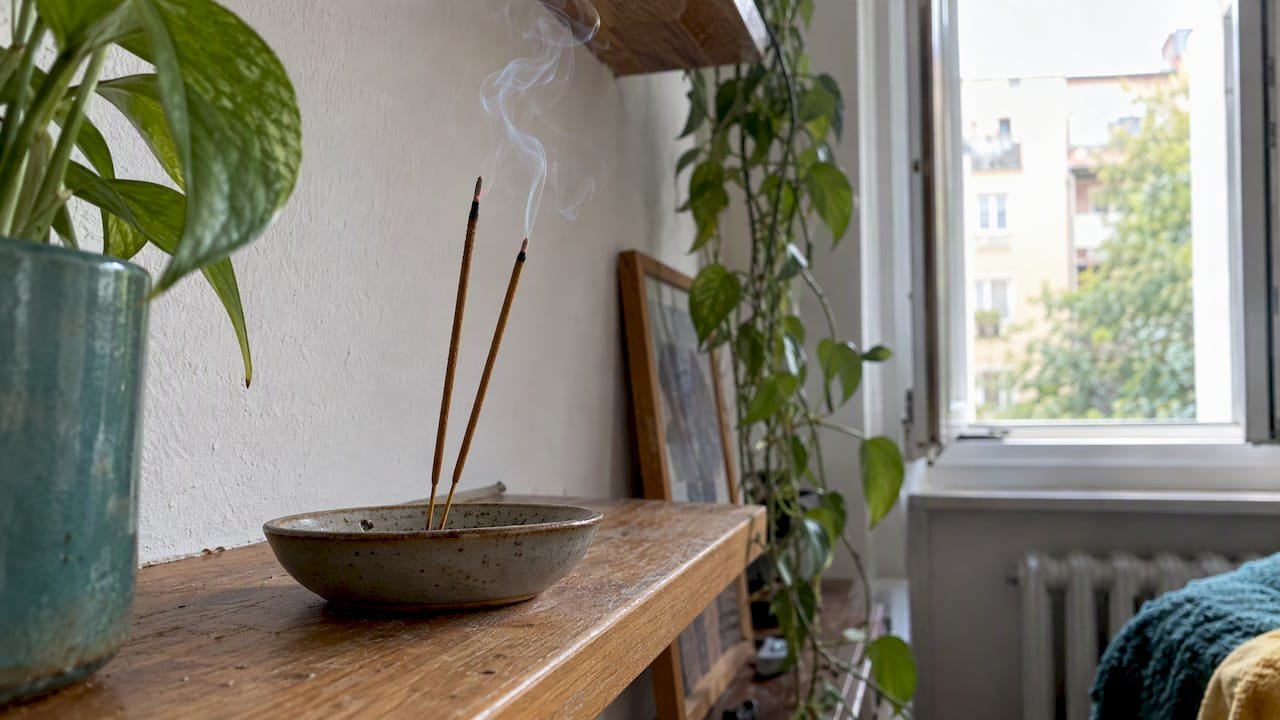
Indoor air research gives a reason to be careful with how much and how often you burn. Incense burning experiments in a California home found measurable PM2.5 emissions and elevated indoor organic compounds, with levels varying by incense type. A separate hazard assessment of incense smoke recorded peak concentrations of particulate matter, carbon monoxide, and formaldehyde during burns, with time-weighted averages that exceeded some reference levels and triggered an inflammatory response in lab testing.
A few habits keep the risk low:
- Open a window or door while burning anything, and for a few minutes after.
- Keep sessions brief rather than letting incense smolder through an entire routine.
- Choose higher-quality sticks or cones over cheap, heavily dyed versions.
- Skip charcoal-based incense if you have asthma or another respiratory condition.
Pro Tip: If smoke isn’t practical in your space, a light essential-oil mist, a few minutes of sound, or simply cleansing in the shower gives you a similar sensory reset without the air-quality tradeoff.
Set an intention and use a quick journaling prompt to anchor the cleanse
An intention gives the ritual a direction instead of leaving it as breath and sound for their own sake. A simple formula works for almost any morning: name what you’re releasing, name what you’re inviting in, then name one practical focus for the day.
Three examples: “I release yesterday’s tension, I invite calm focus, and today I’ll finish my morning tasks before noon.” “I release self-doubt, I invite steady confidence, and today I’ll speak up once in a meeting.” “I release rushing, I invite ease, and today I’ll take my lunch break outside.”
A simple journaling template keeps this from staying abstract:
- Write one line on what you’re releasing from yesterday.
- Write one line on what you want to invite into today.
- Write one concrete next step you’ll take soon.
If you have more time, add a short note on how your body feels after the breath and sound work, which can build a useful record over time. Write immediately after the breath or sound portion of your ritual, while the intention is still fresh, and keep entries in one notebook or a dedicated journaling practice so you can look back and notice patterns.
Make it stick: rhythm-based consistency and realistic progress
A single long cleanse session won’t do as much for you as a short one repeated daily. The effectiveness of a morning routine tends to come from cumulative, structured practice rather than an occasional deep reset, a point echoed in general guidance on habit consistency. A short practice done consistently can be easier to sustain than a long session done occasionally.
A simple starter schedule can help the habit take hold:
- Start: stick to the brief version regularly to build the cue.
- Days 8 to 14: move to the 10-minute version, adding sound and movement.
- Days 15 to 21: try the 20-minute version on days you have time, and fall back to 5 minutes on busy days rather than skipping entirely.
Track progress with something low effort: a checkbox on a calendar or a one-line note in your journal works better than an app you have to open and configure.
Pro Tip: Attach the ritual to something you already do without thinking, like right after brushing your teeth or right after turning off your alarm, so the habit rides on a cue that’s already automatic.
For more structure around timing, a spiritual morning routine offers a useful companion schedule if you want more variety across the week.
Author perspective: teaching sustainable morning cleanses
We favor short, repeatable rituals over elaborate ones, because a practice you actually repeat may be easier to sustain than an elaborate one you abandon. The instinct to add more steps, more tools, more time, usually works against consistency rather than for it.
If you want to go deeper without overcomplicating your mornings, a daily body energy cleanse or a fuller spiritual morning routine are reasonable next steps that build on the same five-minute foundation.
— Sean
How our Spiritual Awakening Guide supports your morning cleanse
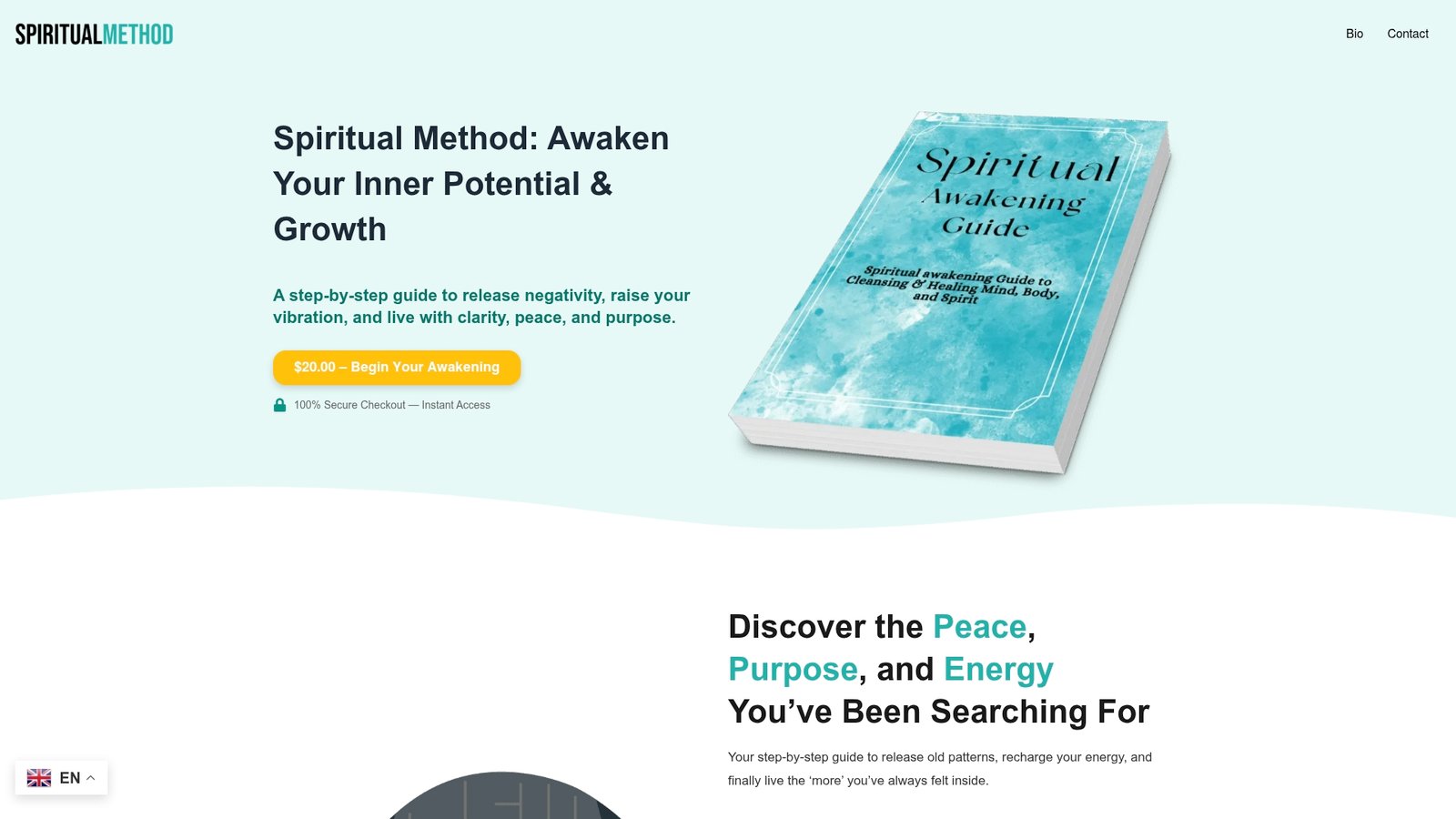
Reading about a ritual and actually keeping it going are different things, which is why we built the Spiritual Awakening Guide around templates you fill in rather than advice you just read. The guide gives you ritual templates for grounding and energy clearing, a habit tracker designed to forgive a missed day instead of punishing you for it, and journaling structures that match the release and invite format covered above.
- Printable trackers you can pair with the starter schedule from this article.
- Guided ritual outlines for sacred bathing and intention-setting that extend your morning cleanse into other parts of the day.
- Structured templates so you’re filling in a page instead of starting from a blank notebook each morning.
The guide is a one-time $20 download, built for anyone who wants their morning ritual to stick past the first enthusiastic week.
FAQ
What is the 7-day salt ritual and how does it work?
Salt-based rituals vary by tradition, and there isn’t one single standardized version with documented research behind it. Common versions involve placing or using salt as a symbolic practice for clearing negative energy, often alongside intention-setting, though the specific steps differ depending on the source you follow.
How can I remove negative energy from my body?
Short daily practices that combine paced breathing, sound such as humming or a guided track, and a spoken intention are a practical starting point, with a 2026 EEG study finding that a sound-based meditation session raised reported alertness compared to simple resting. Pairing that with gentle movement, like a few standing stretches, adds a physical release that breath or sound alone doesn’t fully cover.
What frequency cleanses energy?
There’s no single frequency with established research behind it as a universal “cleansing” tool. Research on paced singing and paced breathing has studied a slow pace near 0.1 Hz, about four seconds inhaling and six seconds exhaling, finding it can raise heart rate variability and support a calmer, more positive state, according to research on resonance frequency breathing.
What do you burn to cleanse energy?
White sage, palo santo, and incense are the most common tools, often tied to specific cultural traditions around clearing a space. Burning any of these produces particulate matter and other emissions indoors, so ventilating the room and keeping sessions brief matters, based on indoor air research on incense burning and a separate hazard assessment of incense smoke.
How long should a morning energy cleanse take?
Choose a duration that fits your schedule, with consistency mattering more than length — for tips on structuring this, see our morning routine with baby guide. A short daily version, repeated every morning, tends to build a stronger habit than a longer version done only occasionally, a pattern supported by general guidance on habit consistency.
Sources
- Sound-based Meditation Alters Brain Activity: EEG Evidence for Power Reduction and Enhanced Conscious Alertness
- Characterizing PM2.5 Emissions and Temporal Evolution of Organic Composition from Incense Burning in a California Residence
- Singing at 0.1 Hz as a Resonance Frequency Intervention to Reduce Cardiovascular Stress Reactivity? – PMC