
Safe sunlight routines can support mood, sleep timing, and vitamin D production, but intentional direct sungazing lacks strong evidence and risks permanent retinal damage, according to the American Academy of Ophthalmology. For solar healing, we recommend consistent indirect morning light and a short outdoor ritual with relaxed eyes, never a stare at the sun itself.
TL;DR:
- Start with 5–10 minutes outdoors each morning, then increase to 10–20 minutes in week two while tracking sleep, mood, and consistency.
- Check the local UV index and favor lower UV morning or evening periods; shade, protective clothing, and broad spectrum SPF 15 or higher reduce exposure.
- Vitamin D production varies by skin tone, location, season, and time; food sources and supplements are safer options than extending UV exposure.
- Clinical phototherapy controls wavelength, dose, and session length for conditions such as psoriasis, eczema, and vitiligo; home sunlight routines lack those safeguards.
- People with skin conditions, eye disease, or medicines that increase light sensitivity should consult a clinician before changing their sun exposure routine.
Table of Contents
- What does the evidence say about sunlight and healing?
- Which benefits of sun exposure are supported?
- Why is direct sungazing different, and what do the experts advise?
- How can you practice solar healing safely today?
- What does a four-week solar healing ritual look like?
- Why do we pair ritual with a safety-first stance?
- How can a spiritual awakening guide support your solar-healing routine?
- FAQ
- Sources
What does the evidence say about sunlight and healing?
Sunlight acts on the body through several separate channels, and only some of them have solid research behind them.
- Circadian signaling: specialized retinal cells called ipRGCs, which contain melanopsin, translate environmental light into circadian signals that influence alertness and sleep timing.
- Vitamin D: UVB light on the skin drives vitamin D synthesis, though output varies with skin tone, location, season, and time of day.
- Clinical phototherapy: conditions such as psoriasis, eczema, and vitiligo are treated with dose-controlled UV, including heliotherapy, under clinical supervision.
- Sungazing: a 2026 narrative review of sungazing found the evidence for intentional sungazing limited and methodologically weak, and documented eye-safety concerns.
The last point matters most for you. Medical phototherapy works because clinicians control wavelength, dose, and session length. A home sungazing habit has none of those controls, so it cannot borrow the credibility of the clinic.
Which benefits of sun exposure are supported?
Plausible benefits exist, but they are modest and tied to ordinary outdoor light, not to staring at the sun. Treat this list as a guide to realistic expectations:
- Morning bright light can raise alertness and help reset circadian timing, which is relevant to sleep trouble and seasonal low mood.
- Sunlight-driven vitamin D production varies with skin tone, location, season, and time of day.
- Non-visual light signaling reaches neuroendocrine pathways, which is one reason daylight is linked with mood and behavior.
- Outdoor time often adds movement, fresh air, and a pause from screens, all of which feed a sense of wellbeing.
The skin makes only a limited amount of vitamin D at one time, and more sun beyond that point adds skin cancer risk without adding vitamin D. Sunlight supports some parts of wellbeing. It is not a cure-all, and the practice works best as one steady habit among others.
Why is direct sungazing different, and what do the experts advise?
The American Academy of Ophthalmology warns that looking at the sun without proper protection can permanently damage the retina. Comfort is not a reliable signal: a dim-looking sky or a lack of pain does not mean your retina is safe. Ordinary sunglasses and homemade filters do not solve the problem either.
The CDC frames sunlight as a balance. Outdoor time supports wellbeing, yet UV exposure is a preventable cause of skin cancer. Phototherapy, by contrast, is delivered by clinicians with measured doses, so it is no model for a home routine. These rules keep your practice on the safe side:
- Never stare at the solar disk, at sunrise, sunset, or midday.
- Face the bright sky or landscape with soft, relaxed eyes instead.
- Use shade, protective clothing, and broad-spectrum sunscreen of SPF 15 or higher, and follow local guidance on UV exposure.
- Skip long sessions meant to “charge up” on UV.
- Talk with a clinician if you have a skin condition, eye disease, or a medication that affects light sensitivity.
Pro Tip: If a practice asks you to look directly at the sun, treat that as a signal to adapt the ritual, not your eyes.
How can you practice solar healing safely today?
The part of the old practice that transfers well is the ritual: going outside at the start of the day with intention. Here is a simple routine:
- Step outside in the morning and stand where you can see open sky or a bright landscape.
- Keep your gaze soft and level, never aimed at the sun, and let the light reach your eyes indirectly for 10–20 minutes.
- Breathe slowly and comfortably for a few minutes.
- Walk mindfully, noticing your feet, the air temperature, and sounds around you.
- Close with a brief journal entry about how you feel and what you intend for the day.
- Check the UV index first. Lower-UV windows, typically morning and evening, let you receive the near-infrared part of sunlight with less UV risk.
If vitamin D is your goal, you do not need long UV sessions. The CDC notes that food sources such as some fish, fortified cereals, dairy, and egg yolks and supplements are safer alternatives. For a clinical view on vitamin D needs, this bone health guide to sun exposure is useful further reading.
Pro Tip: Choose one anchor, such as your first cup of tea, and carry it outside so the habit survives busy mornings.

What does a four-week solar healing ritual look like?
A short plan lets you test how light, breath, and reflection affect your mood and sleep. Adjust the timing to your local UV index and your schedule.
- Week 1: spend 5–10 minutes outdoors each morning with grounding and breathwork. The only goal is consistency.
- Week 2: extend to 10–20 minutes and add journaling with one intention-setting prompt. Our 5–10 minute spirituality journal ideas can supply the prompts. Keep your eyes off the sun.
- Then: add gentle movement, such as a barefoot walk on safe ground or sun-aware yoga, and note your sleep and mood regularly.
- Week 4: review your notes, shift your timing to match the local UV index, and ask a clinician about a vitamin D test if you have concerns. Practices that use nature for soul healing pair well with this stage.
Timing also matters for sleep. If your goal is a steadier body clock, a practical post on morning sunlight and sleep timing explains why early light helps.
Why do we pair ritual with a safety-first stance?
I have no interest in stripping the wonder out of sunlight. A quiet dawn, a deep breath, and a clear intention are worth keeping. Yet a ritual that risks your sight is a poor ritual, and facing the sky instead of the sun avoids the danger of direct viewing. Structure helps: our downloadable guides give you templates for rituals and habit tracking, so the practice holds on tired days. Adapt everything to your own life, and see a clinician for any medical question.
— Sean
How can a spiritual awakening guide support your solar-healing routine?
If you want structure around your morning light ritual, we offer our Spiritual awakening guide, a downloadable resource for $20 that is a practical companion, not a medical treatment. It includes:
- Step-by-step rituals for grounding, energy clearing, and intention-setting
- Journaling templates for reflection
- Forgiving habit trackers that make missed days easy to resume
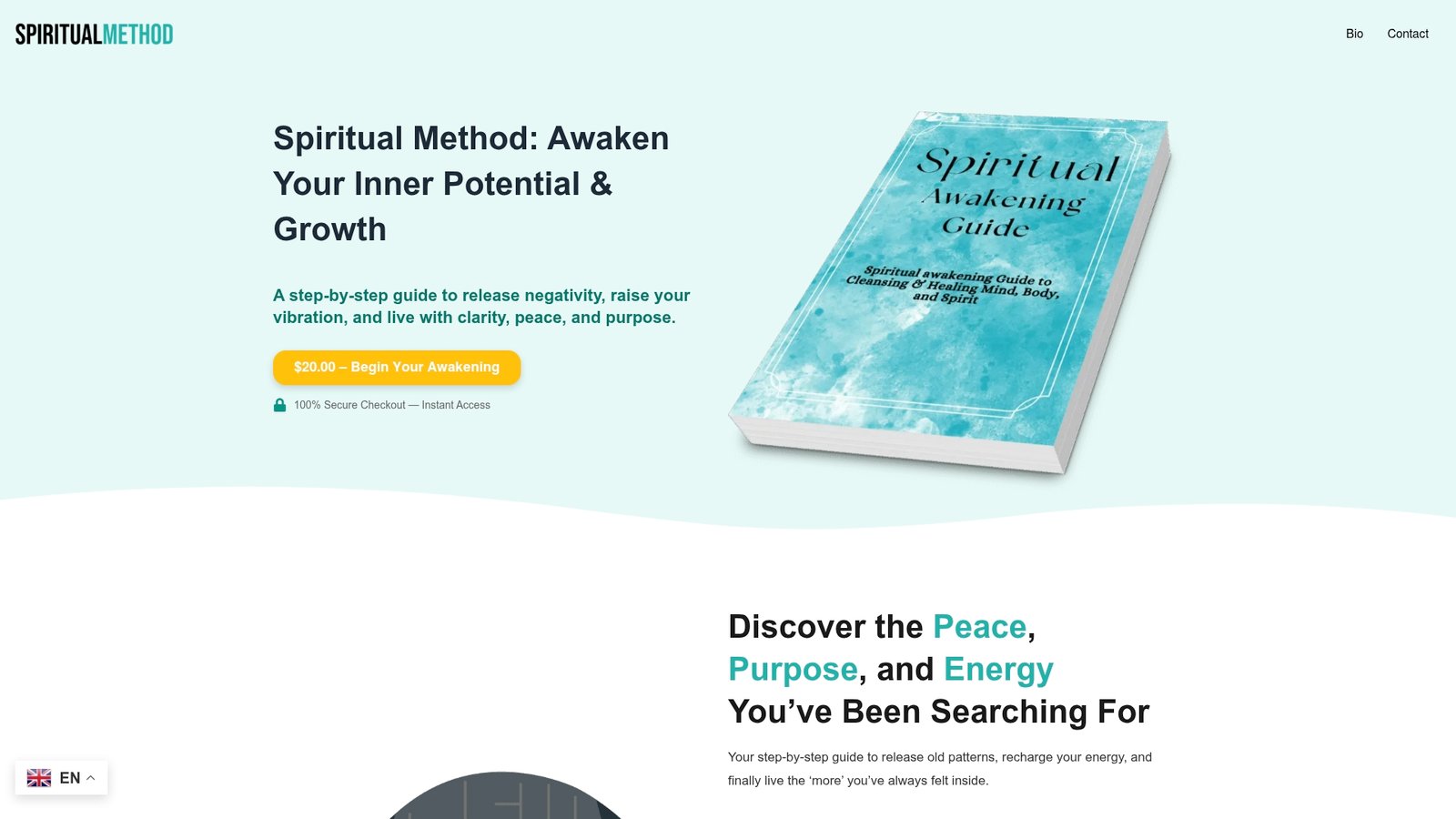
Visit the downloads page to preview what is inside and start building your routine today.
This article is general information, not a substitute for advice from a qualified doctor. Consult a qualified healthcare professional about your own circumstances before acting on anything here.
FAQ
Is it true that the sun heals you?
Sunlight supports several body processes, including circadian timing and vitamin D production, but it does not cure illness. The CDC describes outdoor time as beneficial when paired with sun protection such as shade, clothing, and sunscreen.
How do you sungaze safely?
We do not recommend direct sungazing, because the American Academy of Ophthalmology warns it can permanently damage the retina. A safer version is to stand outdoors in the morning and rest your gaze on the bright sky or landscape, never on the solar disk.
What are the benefits of morning sunlight for the eyes and body?
Morning light reaching the eyes helps signal your body clock, which can support alertness and sleep timing. It works through indirect light, so you do not need to look at the sun to get the effect.
What foods are good for healing the solar plexus chakra?
Chakra-based claims are spiritual traditions, not medical findings, and we cannot cite research on them. Many practitioners favor warm, simple, well-cooked meals and pair eating with breathwork. Our guide to solar plexus healing covers the practice side in more depth.
Sources
- Benefits of Spending Time Outdoors | Skin Cancer | CDC
- The Sun, UV Light and Your Eyes – American Academy of Ophthalmology
- Sungazing in Yoga and Naturopathy: Therapeutic Claims, Mechanisms, and Safety Concerns – A Narrative Review