
Inner healing exercises are short, consistent mind-body-soul practices, including breathwork, meditative movement, grounding, and journaling, that produce measurable shifts in stress, sleep, and emotional resilience when practiced daily. A simple starting routine combines five minutes of breathwork, ten minutes of gentle movement or grounding, and five minutes of journaling or intention-setting. Consistency over weeks, rather than intensity in a single session, is what drives noticeable change.
TL;DR:
- If meditation heightens anxiety, shorten the session or switch to gentle movement; consult a healthcare provider if difficult feelings persist.
- Adults should aim for 150 to 300 minutes of moderate activity weekly, and daily ten minute walks or yoga sessions contribute toward that target.
- These exercises complement rather than replace medical or mental health care; check with a healthcare provider before changing routines for a diagnosed condition.
Table of Contents
- Core Exercises for Mind, Body, and Soul
- Building a Simple, Sustainable Daily Routine
- Ready-to-Use Scripts and Journaling Templates
- Evidence Behind These Practices
- Visualization and Guided Imagery Exercises
- Affirmations and Positive Self-Talk Techniques
- Emotional Release Practices
- Short Daily Routines Combining Mind, Body, and Soul
- Integrating Spiritual Awakening Principles
- Why Small, Repeated Practices Outlast Intense Rituals
- Your Next Step Toward a Structured Healing Practice
- FAQ
- Sources
Core Exercises for Mind, Body, and Soul
Inner healing works best when we address all three layers of experience together rather than treating the mind, body, and spirit as separate projects.
Mind exercises calm mental noise and build present-moment awareness. Try breath-counting: inhale for a count of four, exhale for a count of six, and repeat for five minutes while silently counting each breath. The 4-4-6 breathing pattern (inhale four seconds, hold four seconds, exhale six seconds) activates a slower, calmer breathing rhythm within minutes. A five-minute body scan works well before sleep: starting at your toes and moving upward, mentally notice each body part without judgment. For a loving-kindness mantra, repeat silently: “May I be calm. May I be at ease. May I be free from struggle,” then extend the same phrase to someone else.
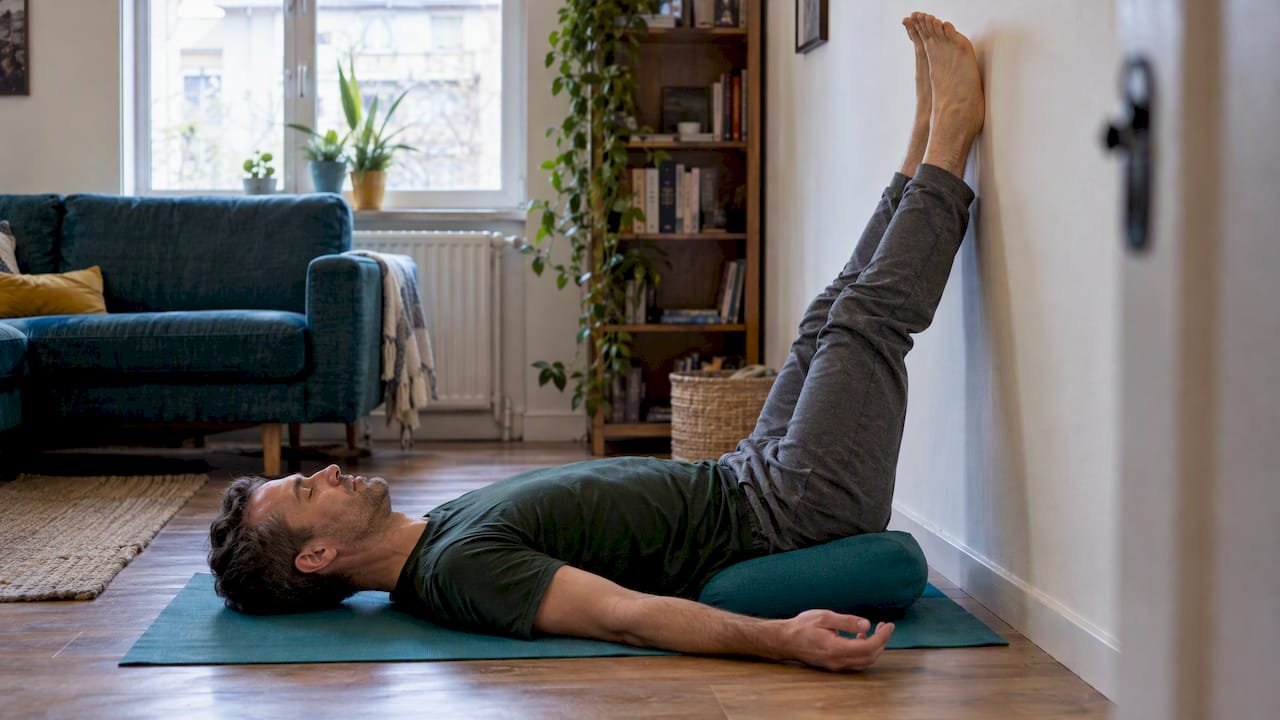
Body exercises release tension stored in muscles and nervous system patterns. A ten-minute restorative yoga sequence (child’s pose, seated forward fold, legs-up-the-wall, and a gentle twist, two minutes each) helps the body downshift out of stress mode. Walking meditation, taking slow, deliberate steps while naming what you see, hear, and feel, works well outdoors or indoors. Readers who want low-impact alternatives to yoga can try qigong or tai chi; both pair slow, circular movement with breath and show evidence for benefits across stress, sleep, and chronic symptom management, according to senior self-care practical habits that support balance and safety for older adults.
Soul practices connect the body’s calm state to a sense of meaning. Grounding through feet and breath: stand barefoot if possible, press your weight evenly into both feet, and take five slow breaths while imagining roots extending downward. A simple energy-clearing visualization: close your eyes and picture a soft light moving from your crown down through your body, collecting tension and releasing it through your feet. A short sacred bathing ritual might include warm water, a few drops of your favorite essential oil, and a spoken intention such as “I release what no longer serves me.” Follow with a one-line written intention for the day.
- Breath-counting and 4-4-6 breathing calm the nervous system in under five minutes.
- Restorative yoga, walking meditation, qigong, or tai chi offer low-impact movement options.
- Grounding, visualization, and sacred bathing rituals connect body calm to a sense of meaning.
Pro Tip: Pair one mind, one body, and one soul exercise each day rather than trying all of them at once, so the routine stays short enough to repeat tomorrow.
A small share of people report that meditation brings up difficult emotions rather than calm ones. Research summarized by NCCIH on mind and body approaches for stress notes that a small share of meditation participants in some studies experienced negative effects such as heightened anxiety. If a practice feels activating rather than settling, shorten the session, switch to gentle movement instead, and check in with a healthcare provider if difficult feelings persist.
Building a Simple, Sustainable Daily Routine
A routine only works if it survives a busy Tuesday, so start smaller than feels necessary and build from there.
Habit-stacking makes new practices stick: attach your breathwork to something you already do, like brewing coffee or brushing your teeth. Use a forgiving tracker, one that counts a partial practice as a win, rather than demanding perfection. Small, measurable goals (five minutes daily beats forty-five minutes twice a month) build the kind of consistency that public health guidance on habit formation consistently points to for long-term behavior change.
A sample 7-day micro-practice plan:
- Day 1 to 2: Five minutes of breath-counting each morning.
- Day 3 to 4: Add five minutes of grounding or walking meditation.
- Day 5 to 6: Add a five-minute journaling or intention-setting close to the day.
- Day 7: Rest or repeat your favorite combination, then note what felt easiest.
From there, a four-week progression gently increases practice time: Week 1 stays at ten minutes total, Week 2 moves to fifteen minutes with a short yoga or qigong sequence added, Week 3 introduces a weekly sacred bathing ritual, and Week 4 combines all elements into a twenty-minute daily practice.
Movement matters for more than mood. CDC’s Physical Activity Guidelines for Americans recommend adults aim for 150 to 300 minutes of moderate-intensity activity per week, plus muscle-strengthening work at least twice weekly, a benchmark that even a ten-minute daily yoga or walking practice helps you work toward.
Track progress with simple markers: sleep quality (better, same, worse), a one-to-ten stress rating before and after practice, and a one-line journal note. These small signals matter more than any single dramatic breakthrough.
Ready-to-Use Scripts and Journaling Templates
Having the words ready removes the biggest barrier to starting, so here are templates you can use today.
Intention-setting journal template:
- What do I want to feel more of today?
- What is one small action that supports that feeling?
- What might get in the way, and how will I respond?
Emotional-release journal template:
- What emotion is strongest right now, and where do I feel it in my body?
- What triggered this feeling?
- What would it look like to let this feeling move through me rather than push it away?
Forgiveness journal template:
- What am I still holding onto, toward myself or someone else?
- What would it mean to set this down, even partially?
- What is one compassionate sentence I can offer myself today?
For deeper prompts in this direction, our journaling guide for soul healing walks through extended templates and reflection questions.
Five-minute grounding script: “Find a comfortable position. Feel the points where your body touches the ground. Take five slow breaths, imagining roots growing from your feet into the earth. With each exhale, let tension drain downward.” A fuller version of this practice is in our grounding exercises guide.
Five-minute breath script: “Inhale for four counts, hold for four, exhale for six. Repeat for ten rounds, letting your shoulders soften with each exhale.”
Ten-minute restorative sequence: Child’s pose (2 minutes), seated forward fold (2 minutes), legs-up-the-wall (3 minutes), gentle seated twist each side (1.5 minutes each). Beginners can place a cushion under the knees or hips for comfort and shorten any pose that feels strained.
Evidence Behind These Practices
We write from direct experience building structured, step-by-step tools for spiritual and holistic growth, and we ground our recommendations in established public health research rather than trend-driven advice.
- Mind-body approaches including meditation and mindfulness reduce perceived stress and support measures of psychological well-being, according to NCCIH’s science summary on stress.
- Mindfulness-based practices are linked to reduced anxiety, improved mood, and better sleep, with some trials showing effects comparable to established therapies in select populations, per NCCIH’s review of meditation safety and effectiveness.
- The World Health Organization’s stress guidance recommends small, regular self-care habits, including grounding and sleep hygiene, as accessible steps toward resilience.
These practices complement, but never replace, medical or mental health care. Anyone managing a diagnosed condition should loop in a healthcare provider before changing their routine.
Visualization and Guided Imagery Exercises
Visualization works by giving the mind a specific, calming image to focus on instead of looping through stress. One common exercise is the “safe place” visualization: close your eyes, picture a location where you feel completely at ease, and spend two to three minutes noticing details, the light, the temperature, the sounds.
A second option is the “releasing light” visualization described earlier in this article: imagining light moving through the body and carrying tension out through the feet. This pairs naturally with the grounding practices above, since both use breath and imagery to shift the body out of a stressed state.
For soul-focused visualization, picture a version of yourself one year from now who has already moved through the challenge you’re facing. Notice how that version carries themselves, then ask what one small step today would move you closer to that image. This kind of forward-looking imagery turns an abstract hope into something concrete enough to act on. Guided imagery sessions can run anywhere from three to fifteen minutes depending on the day, and shorter is often better when you’re new to the practice.
Affirmations and Positive Self-Talk Techniques
Affirmations work best when they’re specific and believable rather than generic. Instead of a broad statement like “I am healed,” try something more grounded: “I am taking one small step toward healing today.” The second version is easier for your mind to accept, which makes it more likely to actually shift your self-talk over time.
A simple affirmation practice: choose one phrase each morning that matches what you need that day, repeat it silently five times, then write it at the top of your journal page. Pair the affirmation with a breath, inhaling as you think the first half of the phrase and exhaling on the second half.
Positive self-talk also means catching and softening harsh inner commentary. When you notice a critical thought (“I always mess this up”), try reframing it as a more accurate, compassionate version (“I’m still learning this, and that’s allowed”). This isn’t about forcing positivity. It’s about replacing exaggerated self-criticism with language that’s actually true and kinder.
Emotional Release Practices
Sometimes emotions need movement or expression rather than quiet reflection, and that’s where expressive practices come in. Expressive writing, setting a timer for ten minutes and writing without stopping to edit, lets thoughts and feelings surface without the pressure of making them coherent.
Physical release works too: shaking out your hands and arms for thirty seconds, humming or sighing loudly, or even scribbling hard with a crayon on paper can help discharge built-up tension that words don’t fully capture. Some people find that simple vocal release, a long sigh or an open-mouthed exhale, helps more than silent breathing alone when emotions feel stuck.
Art-based release doesn’t require skill: draw your current emotion as a color and shape rather than a picture, or tear paper into pieces as a physical metaphor for letting something go. These catharsis exercises work alongside the journaling templates above rather than replacing them. Pick whichever modality (writing, sound, or movement) matches how a feeling wants to move through you that day.
Short Daily Routines Combining Mind, Body, and Soul
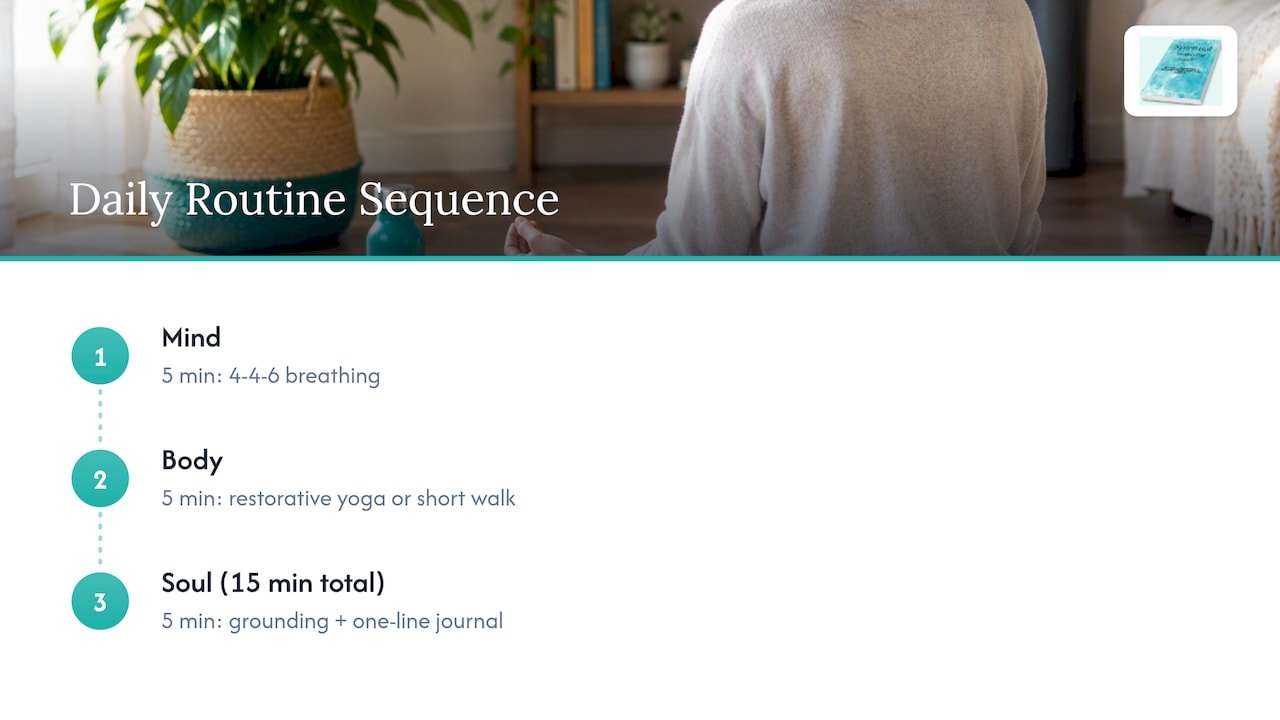
A complete routine doesn’t need to take more than fifteen to twenty minutes once the pieces are in place. Here’s one combination: five minutes of 4-4-6 breathing (mind), five minutes of restorative yoga poses or a short walk (body), and five minutes of grounding followed by a one-line journal entry (soul).
A second version for mornings with less time: a sixty-second breath-counting practice, a thirty-second grounding check-in through the feet, and one sentence of intention written or spoken aloud. Even this compressed version touches all three layers.
For evenings, try pairing the body scan with a brief gratitude note: three slow breaths, a mental scan from head to toe, and one sentence about something that went well that day. The specific combination matters less than touching mind, body, and soul in the same sitting, since that’s what makes a short practice feel complete rather than partial.
Integrating Spiritual Awakening Principles
Spiritual awakening and inner healing work hand in hand: awakening often means noticing patterns and beliefs you’d been running on autopilot, while healing exercises give you a structured way to respond to what you notice. One practical technique is to treat each exercise as a small act of awareness rather than a task to complete. When you sit down to journal, pause first and ask what you’re noticing in this moment, rather than jumping straight to writing.
Another integration technique is weekly reflection: set aside ten minutes once a week to reread your journal entries from the past seven days and notice any recurring themes or shifts. This turns daily micro-practices into a larger arc of awareness over time.
Ritual also supports integration. Lighting a candle before your evening routine, or using the same few words to open and close a practice, signals to your mind that this time is set apart for reflection. These small, repeatable cues help spiritual awakening principles become part of daily life rather than staying abstract.
Why Small, Repeated Practices Outlast Intense Rituals
We’ve come to believe that consistency beats intensity almost every time in this work. A five-minute practice repeated daily reshapes habits in a way that an occasional two-hour ritual rarely does, simply because the nervous system responds to repetition.
The real work is staying curious rather than critical when a day gets missed. A forgiving tracker that counts partial effort keeps momentum alive, while a perfectionist one tends to end the habit the first time life gets busy.
— Sean
Your Next Step Toward a Structured Healing Practice
If you want the templates, trackers, and full four-week plan behind everything covered here, our Spiritual awakening guide gives you structured practices in grounding, energy clearing, sacred bathing rituals, intention-setting, and journaling, along with a forgiving habit tracker to keep your routine realistic.
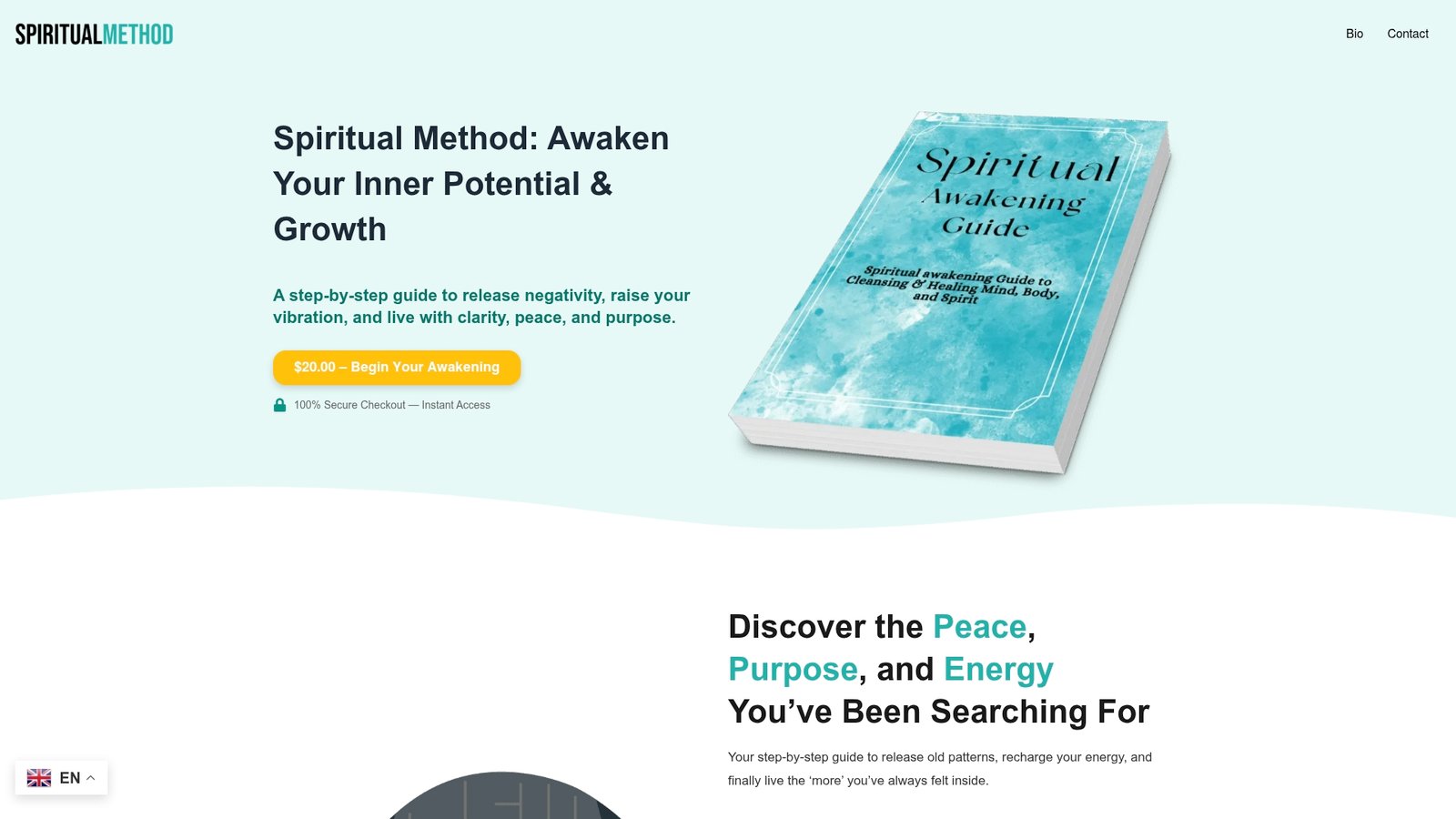
The guide is $20 USD as an instant digital download, with printable templates you can start using the same day you open the file.
FAQ
How long before inner healing exercises show results?
Many people notice small shifts in stress and sleep within one to two weeks of daily practice, though the pace varies by individual. Research on mindfulness and meditation shows measurable improvements in mood and sleep quality over consistent practice periods, according to NCCIH.
What if meditation makes me feel worse, not better?
A small portion of people experience heightened anxiety or discomfort during meditation rather than calm. If this happens, shorten your sessions, switch to gentle movement like walking meditation, and talk with a healthcare provider if the feelings persist, as noted in NCCIH’s safety guidance.
Do I need special equipment to start these exercises?
No special equipment is required. Breathwork, grounding, visualization, and journaling only need a quiet space and a few minutes, while restorative yoga benefits from a mat or cushion but can be done without one.
How much movement do I actually need each week?
Even short daily sessions add up over time, and general physical activity guidelines suggest adults aim for 150 to 300 minutes of moderate activity weekly, per CDC guidelines. A ten-minute daily yoga or walking practice contributes meaningfully toward that total.
What does the Spiritual awakening guide actually include?
The guide includes structured practices across grounding, energy clearing, sacred bathing rituals, intention-setting, and journaling, along with habit trackers and templates. It’s available as a one-time $20 USD digital download.