
Moon water is water that has been placed under moonlight with a specific intention, symbolically absorbing that focus for use in rituals, self-care, or reflection. This guide walks you through making it correctly, choosing the right lunar phase, and using it safely for personal healing. One caution up front: skip crystals or unverified herbs if you plan to drink it, and stick to food-safe water and containers.
TL;DR:
- Moon water’s symbolic power lies in intention setting, with the process unaffected by weather, as moonlight reaches the ground through clouds during overcast nights.
- For drinking, use only food-safe water and containers, avoiding crystals or herbs that could introduce toxins, and label each batch with date, phase, and purpose.
- Different moon phases support specific goals: full moon for release, new moon for beginnings, waxing for growth, and waning for letting go; avoid collecting during eclipses.
- Practical uses include adding it to baths, sprays, plant watering, and personal anointing, with a focus on repeating one application weekly for better habit formation.
- Moon water lasts about a month in the refrigerator, and long-term storage requires adding alcohol if it’s only for external use; always discard if it shows signs of spoilage.
Table of Contents
- What Is a Moon Water Ritual and Why Do People Practice It?
- How Do You Make Moon Water Step by Step?
- When Should You Make Moon Water for Different Intentions?
- What Ingredients and Crystals Are Safe to Use?
- What Are the Best Practical Uses for Moon Water?
- How Long Does Moon Water Last and How Should You Store It?
- Two Copy-Ready Moon Water Rituals to Try Tonight
- Why Does the Moon Water Ritual Feel Meaningful?
- How Can You Personalize Your Moon Water Ritual?
- What Mistakes Should You Avoid With Moon Water?
- A Personal Note on Making This a Habit
- Ready for a More Structured Ritual Practice?
- Sources
- FAQ
What Is a Moon Water Ritual and Why Do People Practice It?
A moon water ritual is the act of setting water beneath the moon overnight with a clear intention attached to it, then using that water later as a physical anchor for the goal you named. The practice borrows from older folk traditions that treated moonlight as a kind of quiet, receptive energy, tied to lunar phases, tides, and cycles of growth and release. Modern practitioners have adapted that symbolism into something simpler: a small, repeatable ritual for focusing attention on a goal.
The water itself does not change chemically overnight, whatever the folklore suggests. What actually does the work is the intention setting you build into the process. Naming a specific goal out loud or in writing, choosing a container with care, and returning to that water later as a reminder gives your mind something concrete to return to. That repetition is the functional core of the ritual, not the moon’s rays.
There is a reasonable comparison to be made with placebo and ritual psychology research, which shows that structured rituals can shift how people experience stress and uncertainty, even when the ritual itself has no direct physical mechanism. That research gets a fuller look later in this guide, but it is worth flagging now: the symbolic value of moon water is real, even though it is not measurable in a lab.
A few things moon water tends to represent across different practices:
- Fresh starts, tied to the new moon and beginnings
- Momentum and growth, tied to the waxing moon
- Release and culmination, tied to the full moon
- Letting go and clearing space, tied to the waning moon
None of that requires special equipment or years of practice. It requires a jar, some water, and a few quiet minutes.
How Do You Make Moon Water Step by Step?
Making moon water takes about five minutes of active effort and one overnight wait. The process is simple enough to start tonight if the sky cooperates, and forgiving enough that a cloudy night will not ruin it.
Supplies checklist:
- A clean glass jar or bowl with a lid (avoid plastic, which can leach into water over time)
- Filtered or spring water if you intend to drink it; tap water is fine for topical or symbolic use only
- Optional: a water-safe crystal placed beside the jar, not inside it
- Optional: a small strip of paper for writing your intention
- A label, tape, and pen for dating the batch
Step-by-step procedure:
- Wash the jar with warm water and let it air dry completely. Skipping this step is the easiest way to introduce bacteria before you even start.
- Fill the jar with your chosen water, leaving a little headspace at the top.
- Sit with the jar for a moment and name your intention, either silently, out loud, or written on paper and tucked under the jar.
- If you’re using a crystal, place it next to the jar rather than submerged. Some stones are porous or contain minerals that leach into water, which makes the indirect method the safer default.
- Set the jar somewhere it will get a clear line to the moon. A windowsill works if the moon is visible from it; a balcony ledge or backyard table works better if you have one.
- Leave the jar out overnight, cover it loosely if you’re outdoors to keep out insects and debris, and let it sit undisturbed.
- Bring the jar inside before sunrise. Most practitioner guides recommend this timing to keep the water from sitting in direct sun, which is treated as breaking the “charge” from the overnight moonlight exposure.
- Label the jar immediately with the date, moon phase, and intention. It is easy to forget these details once a few batches start piling up in your refrigerator.
- Transfer the water to a clean storage container if the original jar isn’t practical for daily use, and refrigerate if you plan to drink it.
Pro Tip: If your sky is overcast, don’t scrap the ritual. Moonlight still reaches the ground through cloud cover, and many practitioners treat a cloudy full moon as just as valid as a clear one, since the intention setting matters more than visibility.
Windowsill charging is the easiest variant for apartment dwellers or anyone without outdoor access. It works nearly as well as an open-air setup, since glass doesn’t block the effect people are going for. If you do have outdoor space, a balcony or yard gives the jar more direct exposure and can feel more ceremonial, which matters if the ritual side of this is part of the draw for you.
When Should You Make Moon Water for Different Intentions?
The moon’s phase determines what kind of intention the water is traditionally meant to support, and matching phase to purpose is one of the easier ways to make the ritual feel more specific.
- New moon: Best for fresh starts, new projects, or intentions around beginnings. The sky is darkest here, which practitioners treat as a blank slate.
- Waxing moon: Best for growth, momentum, and building on something already in motion, whether that’s a habit, a relationship, or a creative project.
- Full moon: Best for release, culmination, or high-energy charging. This is the most commonly used phase, largely because the full moon is the easiest to see and track.
- Waning moon: Best for letting go, clearing clutter (emotional or literal), and closing out something that no longer serves you.
You don’t need exact astronomical precision to make this work. Most guides give a window of a night before and a night after the peak phase, so a cloudy exact-date night doesn’t mean skipping the ritual entirely. Eclipses are the one exception worth a caution: many practitioners advise skipping moon water collection during a lunar eclipse, since the energy is considered unstable or disruptive rather than clean.
If you’re brand new to this and unsure where to start, begin with a full moon. It’s the most visually obvious phase, it’s the one most guides default to, and it gives you an easy first experience before you start experimenting with the subtler timing of new or waning moons. Once you’ve made one batch successfully, phase-matching for future intentions becomes intuitive fairly quickly. For a deeper comparison of how full and new moon rituals differ in practice, see this breakdown of new moon versus full moon approaches.
What Ingredients and Crystals Are Safe to Use?
Water safety is the one place this ritual overlaps with actual physical risk, so it’s worth being precise. If you intend to drink your moon water, use filtered, spring, or otherwise food-safe clean water and keep the container itself food-grade glass. Tap water that’s safe to drink at your sink is also fine for this purpose. Water you’re only using for baths, sprays, or plant care can be a little more relaxed, since it’s never going in your body.
Crystals are where a lot of beginners get tripped up. Some popular stones are water-unsafe, meaning they’re either toxic when submerged or soft enough to dissolve small amounts of mineral content into the water. Selenite, malachite, and certain copper-bearing stones fall into this category.
- Generally water-safe crystals: clear quartz, rose quartz, amethyst (in short soaks)
- Crystals to avoid submerging: selenite, malachite, pyrite, and anything with visible metallic flecks or a soft, flaky texture
- Safer alternative: place the crystal next to the jar rather than inside it, which lets you keep the symbolic pairing without any risk of contamination
If you want a fuller breakdown of which stones pair well with specific healing goals, this guide to crystals for healing and protection covers the safer options in more depth.
Herbs and salt follow a similar logic. Culinary herbs like rosemary, mint, or lavender are generally fine steeped briefly if you’re planning to drink the water, but anything decorative, dried for aesthetic use, or unlabeled for food safety should stay external only. Salt is popular for cleansing rituals, but it should be treated as topical unless you’re using plain, food-grade salt in small amounts.
One clinical study found that ritual practices and placebo-adjacent psychological effects can measurably reduce anxiety in some contexts, which is a useful frame for why the ritual side of this matters even without a physical mechanism behind the water itself.
Basic microbial safety matters more than most guides mention. Keep the jar covered while it charges outdoors to keep out insects and debris, refrigerate anything you intend to drink, and discard a batch if you notice cloudiness, an off smell, or any visible film on the surface.
What Are the Best Practical Uses for Moon Water?
Moon water earns its place in a self-care routine through repetition, not novelty. Here are ten grounded ways to use it, each paired with the kind of intention it tends to suit best.
- Ritual bath addition: Pour a cup into bath water for a full moon release ritual or a stress-clearing evening soak.
- Spray for spaces: Mix with water in a spray bottle to mist a room before meditation or journaling.
- Watering plants: Use leftover batches to water houseplants, especially ones tied to a growth intention you set on a waxing moon.
- Anointing: Dab a small amount on your wrists or forehead before a ritual, meditation session, or important conversation.
- Cleansing tools: Wipe down tarot cards, crystals, or journals with a cloth dampened in moon water to symbolically reset them.
- Drinking (only plain, food-safe batches): Sip a small amount in the morning as a grounding practice, never from a batch that contained crystals or unverified herbs.
- Floor or doorway wash: Add a splash to a mop bucket for a symbolic home-cleansing ritual.
- Skin mist: Combine with a light carrier like aloe for a calming facial spray, patch-testing first if you have sensitive skin.
- Journaling companion: Keep a small dish nearby while writing intentions, using it as a physical focal point rather than something to touch or drink.
- Candle or altar blessing: Dip a finger in and trace it around a candle base before lighting it during a ritual.
Pro Tip: Pick one use and repeat it weekly instead of trying all ten at once. A single Sunday-night ritual, like misting your space before journaling, builds the habit faster than scattering the practice across ten different applications.
How Long Does Moon Water Last and How Should You Store It?
A fresh, refrigerated batch of plain moon water is generally good for about one month before quality starts to decline. Watch for cloudiness, an off smell, mold, or any change in color. Any of those signs mean it’s time to pour it out and start a new batch rather than push through.
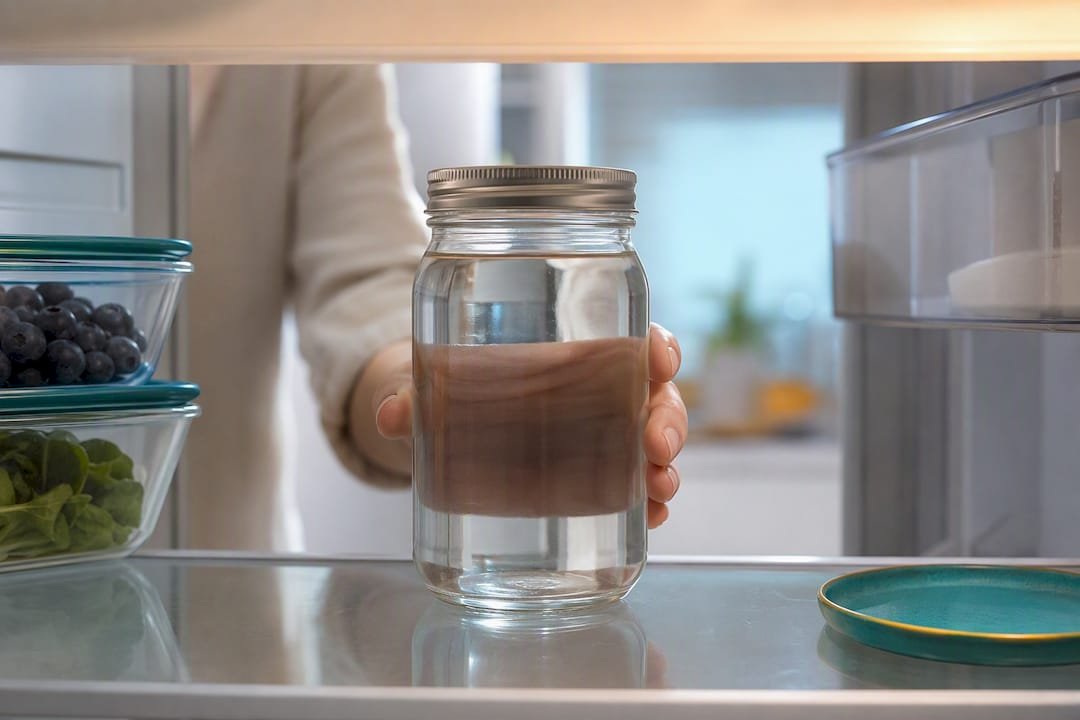
If you want a batch to last longer than a month, some practitioners add a small amount of alcohol, roughly 1 ounce per cup of water, to slow microbial growth for long-term ritual storage. This method is for external or symbolic use only. Never drink a batch that’s been preserved with alcohol, and keep it well out of reach if you have children in the house.
Labeling makes the difference between a useful stockpile and a shelf of mystery jars. Every batch should carry three pieces of information at minimum:
- The date it was collected
- The moon phase it was charged under
- The intention it was made for
Store finished jars in a cool, dark cabinet or the refrigerator, sealed tightly, away from direct sunlight. A little organization here saves you from guessing which jar is safe to drink and which was made for your countertop cleansing spray.
Two Copy-Ready Moon Water Rituals to Try Tonight
These two templates give you a starting script for the two most common intentions: charging something under a full moon and planting a fresh start under a new moon.
Full moon charging ritual:
- Prepare your jar and water using the steps above, and set it out before dark.
- Hold the jar for a moment and say something like: “I release what no longer serves me, and I charge this water with clarity and calm.”
- Leave it overnight, bring it in before sunrise, and label it.
- In the morning, use a small amount on your wrists or in your tea (if food-safe) while you write down one thing you’re releasing.
New moon seed-setting ritual:
- Set your jar out at dusk on or near the new moon.
- Write one specific, achievable intention on a small piece of paper and place it under the jar.
- Say something like: “I plant this intention and give it room to grow.”
- In the morning, tuck the paper into a journal and revisit it in two weeks, at the following full moon, to check on progress.
Aftercare for both templates is the same: journal briefly about how you feel, note the date, and repeat the ritual on a weekly or monthly cadence rather than treating it as a one-time event. For a longer ceremony once you’ve got the basics down, this full moon ritual for beginners builds on the same structure with more depth.
Why Does the Moon Water Ritual Feel Meaningful?
There’s no evidence that water undergoes any measurable chemical change from sitting under moonlight overnight. The value people report from moon water comes from the ritual itself, not from anything happening at a molecular level.
That distinction matters, but it doesn’t make the practice pointless. Ritual and placebo research consistently shows that structured, repeated actions can shift how people experience stress, anxiety, and uncertainty, even when there’s no direct physical mechanism at work.
Ritual behaviors, even those without a clear causal link to outcomes, have been shown to reduce anxiety and improve perceived control in stressful situations, largely through the psychological structure they impose on uncertain moments.
That’s the honest framing worth carrying into this practice: moon water functions as a mindfulness tool, not a medical treatment, and it works best when you treat it that way. Use it the way you’d use a journaling habit or a breathing exercise: as a small, repeatable anchor for attention, not a cure for anything.
How Can You Personalize Your Moon Water Ritual?
Every tradition around moon water has room for adaptation, and rigid adherence to any one version of the ritual usually matters less than most guides suggest. If you follow a specific spiritual or religious framework, feel free to fold in your own language, prayers, or symbolism rather than borrowing a script that doesn’t reflect your beliefs.
Some people prefer a minimal version: a jar, a windowsill, and a single word repeated as the intention. Others build out a fuller ceremony with candles, music, or a dedicated altar space. Neither approach is more correct than the other. The version that gets repeated consistently will always outperform the elaborate version that only happens once.
If you’re skeptical of the symbolic framing entirely, you can still use the practice as a structured mindfulness exercise. Treat the overnight wait as a built-in pause between naming a goal and acting on it, which is a genuinely useful habit independent of any belief about moonlight. Adjust the timing, the wording, and the tools until the ritual feels like something you’d actually return to, rather than something borrowed wholesale from a guide that wasn’t written with your life in mind.
What Mistakes Should You Avoid With Moon Water?
The most common mistake is drinking a batch that contained an unverified crystal or dried herb, which risks introducing toxins or contaminants into water meant for your body. If a batch was ever meant for drinking, keep it strictly plain: food-safe water, a clean glass jar, nothing else added.
A second frequent error is skipping the label. Without a date and intention written down, jars pile up in the refrigerator until nobody remembers which is safe to drink and which was made for a floor wash. A third mistake is assuming a cloudy sky ruins the ritual. Moonlight still passes through cloud cover, and the intention-setting portion of the practice doesn’t depend on a perfectly clear view of the moon.
Some guides also overstate what moon water can do, implying it can replace therapy, medication, or medical care. It can’t, and treating it as a supplement to reflection rather than a substitute for treatment keeps expectations realistic. Finally, leaving a jar uncovered outdoors invites debris, insects, or bacteria, especially in humid climates. A loose lid or breathable cloth cover solves this without blocking the moonlight.
A Personal Note on Making This a Habit
Start small. Pick one measure, like mood or sleep quality, and track it loosely for a month while you experiment with moon water rituals. It won’t give you clean data, but it will tell you whether the practice is actually earning a place in your week.
Moon water works best alongside journaling or breathwork, not as a replacement for either. The jar is a physical marker for attention you’re already choosing to pay. Adapt the timing, the wording, and the tools until the ritual fits your actual life, not someone else’s version of it.
— Sean
Ready for a More Structured Ritual Practice?
If tonight’s jar and a scripted intention left you wanting more structure, that’s exactly the gap Spiritualmethod’s Spiritual Awakening Guide was built to close. Instead of piecing together rituals from scattered blog posts, the guide gives you a single, structured framework: templates for moon and phase-based rituals, habit trackers for building consistency, and journaling prompts designed to pair with practices like the ones in this article.
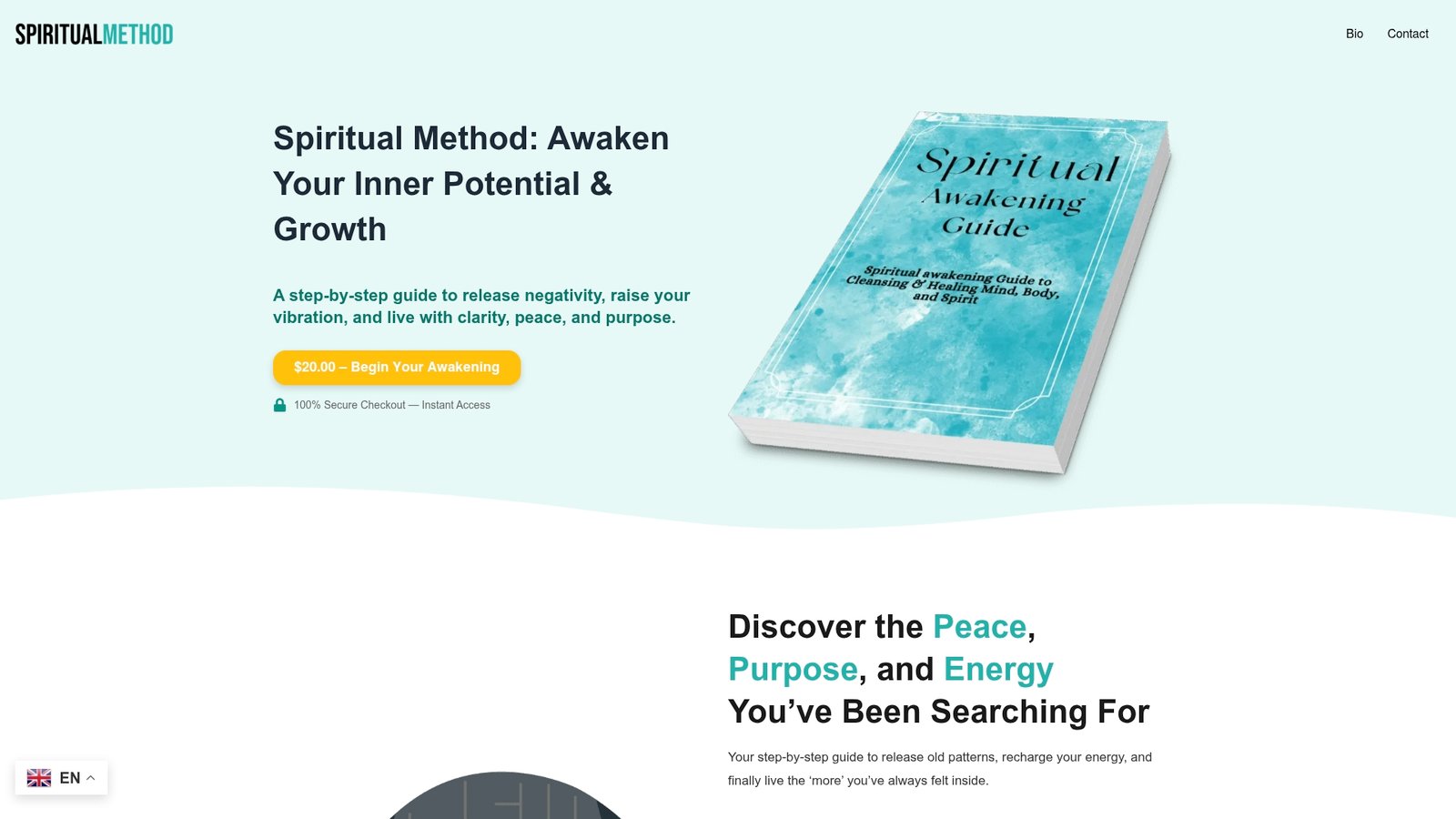
It’s a fit for anyone who tried tonight’s ritual and thought, “I want a system for this, not a one-off.” The guide includes sacred bathing rituals, grounding and energy-clearing practices, and intention-setting exercises that extend well beyond moon water into a fuller self-care routine. It’s available as a downloadable guide, so there’s no subscription to manage or forget about.
If you’re ready to move from a single jar of moon water to a repeatable practice, visit the downloads page and pick the guide that matches where you are in your own healing routine.
Sources
A few sources go deeper on the specific claims covered here. The Almanac’s guide to moon water covers the basic method and phase associations in more detail. Cosmopolitan’s breakdown focuses on ingestion safety and crystal cautions. Llewellyn’s practitioner guidance covers long-term preservation methods. The clinical literature on ritual and placebo effects supports the psychological framing used throughout this guide.
- Moon Water Uses: How to Make Moon Water
- How to Make Moon Water, Charged Moon Water Benefits & Uses
- NCBI article on ritual/placebo/psychological effects (example clinical literature)
- Practitioner guidance on preserving ritual water (Llewellyn)
FAQ
What Should You Avoid Doing With Moon Water?
Avoid drinking any batch that contained crystals, dried herbs, or anything not explicitly food-safe, since some minerals and plant compounds aren’t meant for ingestion. Avoid leaving jars uncovered and unlabeled, and skip collecting during a lunar eclipse, which many practitioners treat as an unstable energetic window.
How Do You Manifest With Moon Water?
Manifesting with moon water means pairing the water with a specific, clearly stated intention, then using the water in a follow-up action, like a bath, a spray, or a journaling session, that reinforces that intention. The Spiritualmethod moon ritual guide walks through a full sequence for tying intention-setting to healing-focused follow-through.
What Does Drinking Moon Water Do for You?
Drinking plain, food-safe moon water doesn’t do anything chemically different from drinking regular water, since moonlight doesn’t alter water’s composition. Any benefit comes from the psychological ritual of pausing, naming an intention, and following through, similar to the calming effect ritual practices have been shown to produce in other contexts.
Should You Put Salt in Your Moon Water?
Salt is fine for topical or cleansing uses, like a ritual bath or a floor wash, but it should stay external unless you’re using a small amount of plain, food-grade salt. If you’re planning to drink the water, it’s simpler and safer to skip salt entirely and keep that batch plain.
What’s the Best Moon Phase for Beginners to Start With?
The full moon is the easiest starting point, since it’s the most visually obvious phase and the one most guides default to for a first attempt. Once you’ve completed one full moon ritual successfully, experimenting with new or waning moon timing becomes much more intuitive.