
The waning moon is the lunar phase built for release, and you can start tonight with almost nothing. Write down what you want to let go of on a piece of paper, transform it through burning, tearing, or burying, then close with three slow breaths to ground the shift. Any night within the two weeks after the full moon works, and if fire isn’t safe or accessible where you are, tearing or burying the paper carries the same meaning.
TL;DR:
- The best time for release work is during the last two weeks after the full moon, focusing on specific things like beliefs or habits rather than vague negativity.
- Major endings are most effective during the last quarter, roughly midway through the waning phase, when the energy is suited for closing relationships or habits.
- Grounding practices such as journaling, water baths, or salt rubs help solidify the release over several days, especially if the initial ritual was rushed or simple.
- Fire safety is crucial when burning paper; alternatives include burying the paper or dissolving it in water, especially if open flames are unsafe in your environment.
- Consistency and follow-up, including journaling and grounding over the following days, are more important for lasting change than elaborate rituals or single-night efforts.
Table of Contents
- What Is a Waning Moon Ritual, Exactly?
- How Do You Perform a Waning Moon Release Ritual?
- When Should You Release Different Things During the Waning Moon?
- What Are the Best Waning Moon Ritual Variations?
- What Safety and Cultural Guidelines Should You Follow?
- How Do You Integrate a Release Before the New Moon?
- A Practical Approach Built for Real Inner Healing
- Why Most Moon Ritual Advice Skips the Hard Part
- Keep Your Ritual Practice Structured With Spiritualmethod
- Sources
- FAQ
What Is a Waning Moon Ritual, Exactly?
A waning moon ritual is a structured practice performed during the two weeks between the full moon and the new moon, when the visible light of the moon shrinks each night. That physical contraction gives the phase its symbolic job: releasing what has outlived its usefulness rather than starting something new. The waning phase lasts approximately 14 days, which gives you far more flexibility than the single-night urgency people associate with full moon or new moon work.
This is different from moon magic aimed at manifestation, which typically clusters around the new moon and first quarter, when the light is building rather than fading. If you’ve only practiced new moon intention-setting, think of the waning moon as its mirror image: instead of writing what you want, you’re naming what you’re done carrying. Both practical rituals for the waning moon and simple household tools (a candle, paper, a bowl) tend to work as well as anything elaborate, because the effectiveness comes from intention, not equipment.
How Do You Perform a Waning Moon Release Ritual?
You don’t need an altar, a coven, or forty minutes you don’t have. You need a quiet ten minutes, something to write with, and a way to physically transform the paper once you’re done writing on it.
What to gather before you start:
- A candle (battery-operated is fine if open flame isn’t an option)
- A pen and a few sheets of paper
- A heatproof bowl or dish, if you plan to burn
- A pinch of salt for grounding, optional but traditional
- About ten minutes where nobody will interrupt you
The ritual itself, step by step:
- Center first. Sit down, light the candle if you’re using one, and take five breaths slower than your normal pace. This isn’t filler. It’s the difference between a ritual and a chore.
- Write your release list thoughtfully. Name specific things: a grudge, a habit, a belief about yourself, a relationship dynamic. “Negativity” is too vague to release; “the belief that I have to earn rest” is something you can actually let go of.
- Choose your transforming act. Burn the paper in your bowl, tear it into small pieces, bury it in soil, or dissolve it in a bowl of water if you’re working with something you’d rather release gently than destroy violently.
- Perform the act with full attention. Watch the paper burn or tear. Don’t scroll your phone while you do it. The physical act is what tells your nervous system the release is real.
- Close with three grounding breaths. Inhale for four counts, hold for four, exhale for six. Repeat three times before you stand up.
A single ten-minute ritual done with full presence tends to land harder than a long, distracted one, and consistency across several waning cycles matters more than how elaborate any single night looks.
Pro Tip: If you’re rushed, cut the ritual down to writing and burning only. Skipping the candle or the salt doesn’t weaken the release. Skipping the attention does.
When Should You Release Different Things During the Waning Moon?
Not every waning night is the same, and treating the full two weeks as one undifferentiated block wastes the phase’s natural structure. The moon moves through four recognizable stretches, and each one lends itself to a different kind of work.
- Waning gibbous (days 1 to 4 after full moon): good for gentle maintenance, minor decluttering, and naming what needs to go without acting on it yet.
- Last quarter (roughly the midpoint): the most decisive window, well suited to major endings, since practitioners often treat the third quarter as the peak point for closing out relationships, jobs, or habits that need a firm cut.
- Waning crescent (the days leading into dark moon): better for quiet, inward shadow work, journaling around fear or shame, rather than dramatic action.
- Dark moon (the final one to three nights before new moon): a rest window. Little visible light means little pressure to perform, just integration.
A sample two-week structure: use the first few nights for inventory (write everything down without judging it), the middle stretch for the actual release act, and the final few nights for integration before the new moon that resets the cycle.
What Are the Best Waning Moon Ritual Variations?
Once the basic write-and-transform ritual feels familiar, you can layer in other spiritual cleansing rituals depending on what you’re releasing and what your practice already includes.
A cleansing bath works well for emotional or energetic heaviness rather than a specific decision. Add two cups of Epsom salt and a handful of dried herbs (lavender for calm, rosemary for clearing) to warm bath water. Soak for at least fifteen minutes, and set a simple intention before you get in: “I release what this water can carry away.”

Smoke-cleansing is one of the most requested waning moon practices, but it comes with real responsibility. Traditional smudging uses herbs like white sage or cedar, and technique matters: light the bundle, let it smolder rather than flame, and fan the smoke over the space or your body while returning the spent ash to the earth afterward. White sage specifically has been overharvested by commercial demand, so sourcing it from a supplier that grows it sustainably, or substituting rosemary or dried bay leaf, respects both the plant and the practice it comes from.
Cord-cutting suits relationships or attachments you’re struggling to release cleanly. Tie a piece of string or thread loosely between your wrists, or hold two candles connected by string, state what you’re cutting, then cut the string with scissors and let both ends fall.
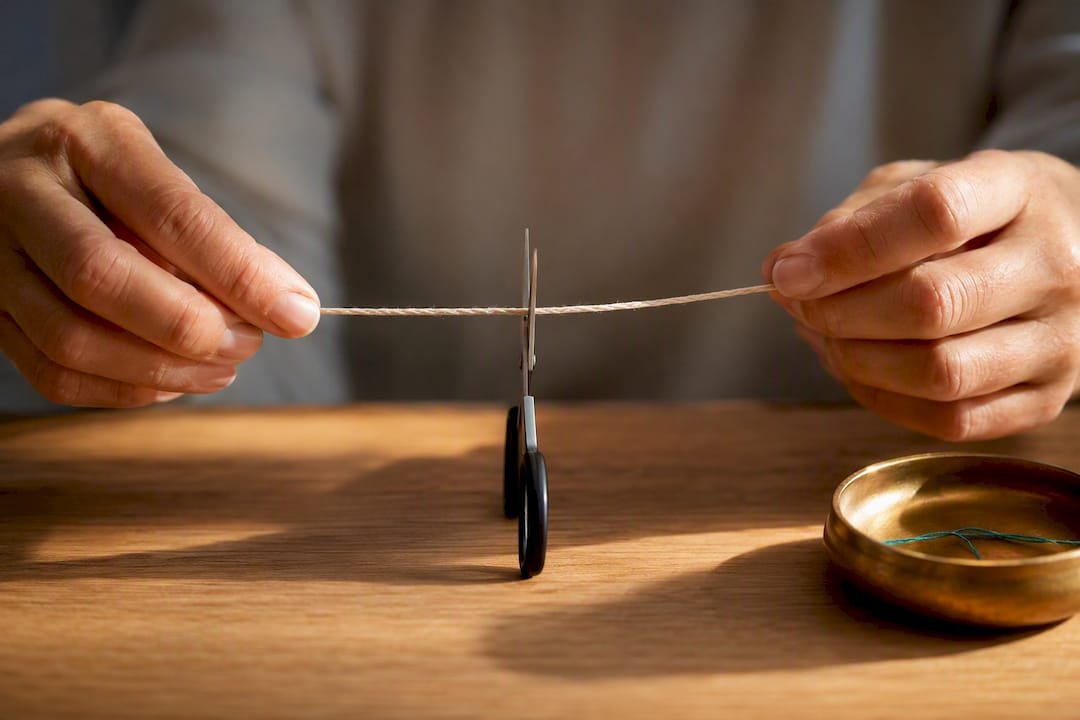
Divination and journaling round out the ritual for people who process best through reflection. Pull one tarot or oracle card and ask, “What is this release teaching me?” Then journal for five minutes without editing yourself.
Pro Tip: If you’re new to any of these, don’t stack all four in one night. Pick one variation per waning cycle and let it get familiar before adding another.
For a broader look at how these practices connect to nervous-system-level clearing, releasing negative energy walks through complementary decluttering and energetic-hygiene steps.
What Safety and Cultural Guidelines Should You Follow?
Fire is the biggest practical risk in most waning moon spells, and it deserves more caution than most guides give it. Burn paper only in a heatproof bowl, away from curtains, papers, or anything flammable, and never leave a burning ritual unattended. If you’re indoors, crack a window; smoke from burning paper or herbs builds up fast in a closed room.
- Keep a lid or a cup of water nearby whenever you’re burning anything.
- If open flame isn’t safe or allowed where you live, bury the paper in a plant pot or garden bed, or dissolve it in water and pour it outside.
- A sealed box you don’t open until the next new moon works as a symbolic “burn” substitute with zero fire risk.
- For smudging specifically, source herbs ethically and consider consulting practitioners connected to the plant’s cultural lineage rather than treating it as a generic add-on.
The limpia, a cleansing ceremony rooted in Indigenous Latin American curanderismo, uses herbs, smoke, water, and prayer in ways that vary widely depending on lineage. If a practice like this isn’t part of your own background, a culturally neutral alternative, like a plain salt bath or dissolving paper in water, honors the same release without borrowing something that isn’t yours to claim.
How Do You Integrate a Release Before the New Moon?
The ritual doesn’t end when the paper finishes burning. What you do in the following days decides whether the release actually holds.
- Ground your body daily for three to seven days. A short walk, five minutes of breathwork, or a grounding meal (something warm, root vegetables, nothing rushed) helps your nervous system catch up with the decision you just made.
- Journal the same question each morning: “Does this still feel released, partial, or back?” Tracking the answer across a few days tells you honestly whether one ritual was enough or whether it needs repeating next cycle.
- Resist the urge to immediately set a new goal. The dark moon nights before the new moon are meant for rest, not planning. Let the space stay empty for a day or two before you start filling it again.
Partial release across more than one cycle is normal, not a failure. Some things loosen their grip over three moons, not one.
A Practical Approach Built for Real Inner Healing
Sean’s approach to waning moon work treats ritual as a repeatable skill, not a one-time performance. Rituals that follow a consistent structure, write, transform, ground, journal, repeat, tend to outlast the ones improvised fresh each time, because the body starts recognizing the pattern as safe. Journaling after the act, tracking whether a release feels partial or complete, is where most of the actual healing happens; the burning or burying is just the trigger.
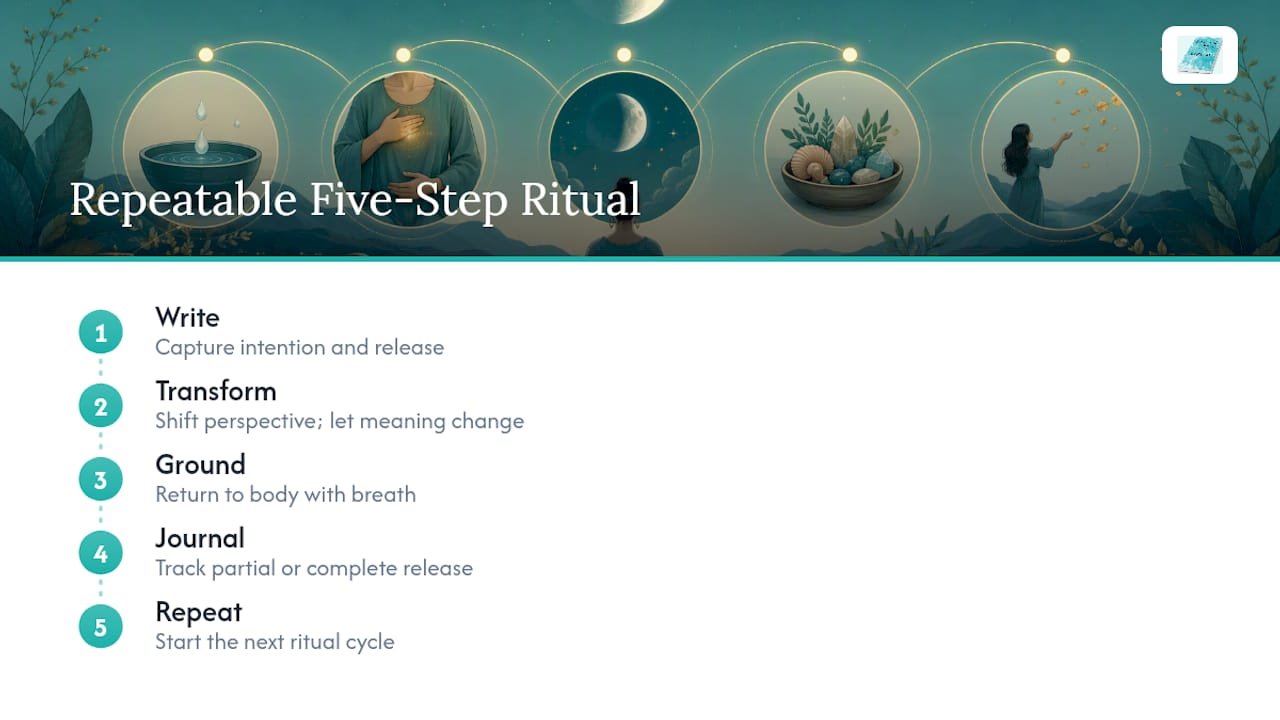
Moon ritual work aimed at inner healing benefits from this same repeatable structure rather than novelty each cycle.
Why Most Moon Ritual Advice Skips the Hard Part
The internet’s waning moon content is heavy on aesthetics and light on follow-through. Plenty of guides will tell you to burn a list under candlelight, but almost none address what happens the next morning when the feeling you tried to release quietly creeps back. That gap, not the ritual itself, is where most people give up on moon phase rituals entirely and conclude they “don’t work.”
The truth is a release ritual is the start of a process, not the end of one. The two-week waning window exists precisely because release rarely happens in one clean cut; it happens in stages, which is why staging your work across sub-phases matters more than most single-night guides admit. If I had to name the one thing readers should prioritize, it’s aftercare. Skip the perfect altar setup if you must, but never skip the three days of grounding and journaling that follow. That’s where a symbolic act turns into an actual shift.
Waning moon intentions work best when they’re written down somewhere more permanent than a scrap of paper you’re about to burn, so the pattern across cycles becomes visible to you.
— Sean
Keep Your Ritual Practice Structured With Spiritualmethod
There are templates available that many waning moon guides leave out: printable release lists, ritual sequencing worksheets, and journal pages built specifically to track whether a release held across multiple moon cycles.

The downloadable ritual and journaling guide includes structured prompts for each waning sub-phase, aftercare exercises for the days following a release, and tracking pages that turn a single night’s ritual into a pattern you can actually see building over time. Instead of reconstructing your ritual from memory every two weeks, you get a repeatable framework already laid out for you. If integration and journaling are where you tend to lose momentum, the journaling for soul healing guide pairs directly with the release work covered here. Download it, print the pages you need for your next waning cycle, and start tonight with your first release list already structured for you.
Sources
- Study
- 7 Waning Moon Rituals for Release, Cleansing & Rest – Hearth & Hedge
- The Art Of Smudging – A Shamanic Cleansing Ritual – The Sacred Science
FAQ
What Should You Do When the Moon Is Waning?
Focus on release rather than new starts: write down what you want to let go of, then burn, tear, bury, or dissolve the paper, and ground yourself afterward with slow breathing.
What Should You Avoid During a Waning Crescent Moon?
Avoid launching new projects or making big promises to others; the waning crescent favors quiet inward reflection and shadow work over outward action.
What Does a Waning Moon Mean Spiritually?
Spiritually, the waning moon represents a natural closing phase, a built-in invitation to release habits, relationships, or beliefs that no longer fit before the cycle resets at the new moon.
What Moon Ritual Can I Do Tonight?
If you’re anywhere in the two weeks after a full moon, write a short release list, transform the paper through burning or tearing, and close with three grounding breaths; it takes under fifteen minutes and needs no special tools.